|
Product Name |
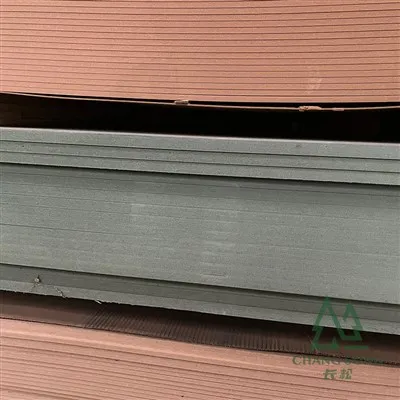
Natural veneer Block board/blockboard |
|
Size |
1220x2440mm, 1250x2500mm, 1500x3000mm or as clients requirement |
|
Thickness |
15mm, 16mm, 17mm, 18mm, 19mm, 20mm, 22mm, 25mm, ect |
|
Face/Back |
Solid Color (Green, Yellow, Coffee, Black, Titanium White,Warm White, Red, etc),Wood Grain (Cherry, Beech, Wenge, Walnut)and others melamine paper. |
|
Surface Treatment |
Sanded, UV coated, smoked or embossed |
|
Veneer Cut Type |
Q/C, C/C or R/C |
|
Core |
Malacca, paulownia, fir, poplar, lauan,radiation pine,pinus sylvestris , ect. |
|
Glu |
E0, E1, E2 |
|
Grade |
A, AA ,AAA |
|
Joint way |
Overlap joint, end joint, scraf joint, finger joint |
|
Strength |
High bending strength Strong nail holding |
|
Density |
450~680kg/m3 |
Blockboard is a type of engineered wood product made by sandwiching a core of wooden strips or blocks between two layers of veneer, plywood, or MDF. It is widely used in furniture, interior design, and construction due to its strength, lightweight nature, and resistance to warping.
Key Features of Blockboard
1. Composition:
• Core Material: Made of solid wood strips (usually softwood) placed edge-to-edge.
• Face and Back Layers: Covered with veneers or thin plywood to enhance stability and aesthetics.
• Adhesive: Glued with strong resins such as urea-formaldehyde or phenol-formaldehyde.
2. Sizes and Thickness:
• Standard sheet size: 8x4 feet (2440mm x 1220mm).
• Common thicknesses: 12mm, 15mm, 18mm, 25mm.
3. Types:
• Moisture-Resistant (MR) Blockboard: Suitable for dry interiors.
• Boiling Water-Resistant (BWR) Blockboard: Used in humid or wet conditions.
4. Weight:
• Lighter than MDF or plywood due to the softwood core.
5. Appearance:
• Smooth surface suitable for laminating, painting, or veneering.
Applications of Blockboard
1. Furniture:
• Ideal for tables, beds, wardrobes, bookshelves, and other lightweight furniture.
2. Interior Design:
• Used for wall paneling, partitions, and decorative panels.
3. Doors:
• Commonly used for flush doors and sliding doors due to its strength and stability.
4. Shelving:
• Suitable for making shelves that require durability with less sagging.
5. Partitions:
• Used in offices and homes to create partitions or dividers.
Production Process of Blockboard
1. Core Preparation:
• Softwood strips are cut and dried to reduce moisture content.
• Strips are arranged edge-to-edge to form the core.
2. Layering:
• The core is sandwiched between two veneers or plywood sheets.
3. Gluing:
• Strong adhesives are applied to bond the layers under heat and pressure.
4. Pressing:
• The assembly is compressed using hydraulic presses for a uniform, strong bond.
5. Finishing:
• Boards are trimmed, sanded, and inspected for quality before packaging.
Comparison: Blockboard vs. Plywood
Feature Blockboard Plywood
Weight Lighter Heavier
Strength Strong but less than plywood Higher strength overall
Moisture Resistance Lower (unless BWR grade) Higher
Flexibility Less flexible More flexible
Applications Long furniture and panels Versatile, including curved structures
Blockboard is an excellent choice for lightweight, affordable, and durable furniture and interior projects.
Inspection Process

Packing And Delivery

Hot Tags: Melamine Faced Blockboard, China Melamine Faced Blockboard suppliers, okoume veneer commercial plywood 18mm, Acoustic Panel Wall, veneered mdf, Melamine Faced Block Board, two times marine plywood 18mm, commercial plywood