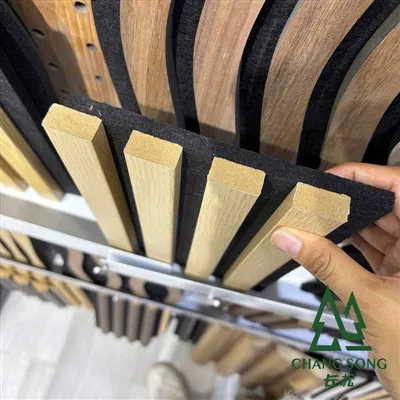
Hey there! As a supplier of Acoustic Panel Walls, I often get asked about the energy efficiency of these amazing products. So, I thought I'd dive into this topic and share some insights with you all.
First off, let's understand what acoustic panel walls are. Acoustic panel walls are designed to absorb sound and reduce noise levels in a space. They come in various materials, shapes, and sizes, and are used in a wide range of settings, from recording studios and theaters to offices and homes. One popular type of acoustic panel is the MDF Acoustic Panel, which is made from medium-density fiberboard and is known for its excellent sound absorption properties.
Now, let's talk about energy efficiency. Energy efficiency refers to the ability of a product or system to use less energy to perform its intended function. In the case of acoustic panel walls, energy efficiency can be related to several factors.
One of the main ways acoustic panel walls can contribute to energy efficiency is through their insulation properties. Many acoustic panels are made from materials that have good insulation qualities. For example, some panels are filled with fiberglass or other insulating materials. These materials can help to reduce heat transfer through the walls, which means that in colder months, less heat will escape from the building, and in warmer months, less heat will enter. This can lead to significant energy savings on heating and cooling costs.
Think about it this way. If you have a room without proper insulation, your heating or cooling system has to work overtime to maintain a comfortable temperature. But when you install acoustic panel walls with good insulation, the system doesn't have to work as hard. It can maintain the desired temperature more easily, using less energy in the process.
Another aspect to consider is the lighting in a space. Acoustic panel walls can also have an impact on lighting energy consumption. In some cases, these panels can be designed to reflect light more effectively. When light is reflected around a room, it can reduce the need for additional artificial lighting. For instance, in an office environment, if the acoustic panels on the walls are light - colored and have a smooth surface, they can bounce light around the room, making it brighter. This means you can use fewer light fixtures or lower the intensity of the lights, which saves energy.
Moreover, acoustic panel walls can improve the overall comfort of a space. When a room is too noisy, people may feel stressed and uncomfortable. This can lead to distractions and inefficiencies. For example, in a call center, if the employees are constantly being distracted by background noise, their productivity will suffer. By installing Acoustic Panel Wall, the noise levels are reduced, and people can focus better. A more comfortable and productive environment can also have an indirect impact on energy efficiency. When people are more productive, they are less likely to leave lights and equipment on when not in use, which further saves energy.


However, it's important to note that not all acoustic panel walls are equally energy - efficient. The energy efficiency of an acoustic panel wall depends on several factors, such as the material it's made from, its thickness, and the installation method.
For example, panels made from natural materials like wool or cork may have different insulation properties compared to those made from synthetic materials. Thicker panels generally offer better insulation, but they may also be more expensive and heavier, which can affect the installation process. And if the panels are not installed correctly, their insulation and sound - absorption properties may be compromised, reducing their energy - saving potential.
So, how can you ensure that you're getting an energy - efficient acoustic panel wall? First, do your research. Look for panels that are specifically designed for energy efficiency. Check the product specifications to see what kind of insulation values they have. You can also look for third - party certifications, such as Energy Star or other relevant energy - efficiency labels.
Secondly, work with a professional installer. A good installer will know how to properly install the panels to maximize their energy - saving and sound - absorption properties. They can also provide advice on the best placement of the panels in your space.
In conclusion, acoustic panel walls can be a great addition to any building in terms of energy efficiency. They can help to reduce heating and cooling costs, save on lighting energy, and create a more comfortable and productive environment. As a supplier of Acoustic Panel Wall, I've seen firsthand the benefits that these products can bring.
If you're interested in learning more about our acoustic panel walls or want to discuss how they can improve the energy efficiency of your space, I'd love to hear from you. Whether you're a business owner looking to upgrade your office or a homeowner wanting to create a more peaceful and energy - efficient home, we have the products and expertise to help you. Reach out to us, and let's start a conversation about how we can make your space better and more energy - efficient.
References
- Building Energy Efficiency Handbook.
- Studies on Acoustic and Thermal Properties of Building Materials.