Hey there! As a supplier of Diesel Forklifts, I often get asked whether a diesel forklift can be used in wet conditions. It's a super important question, especially for businesses that operate in environments where moisture is a regular thing, like near docks, in food processing plants, or during rainy outdoor work. So, let's dig into this topic and find out what's what.
First off, let's understand how a diesel forklift works. Diesel forklifts are powered by diesel engines, which are known for their high torque and durability. They're great for heavy - duty tasks and can lift substantial weights. But when it comes to wet conditions, things get a bit tricky.
The diesel engine itself has some components that don't play well with water. For example, the air intake system. If water gets into the air intake, it can cause the engine to stall. Water in the air can also lead to corrosion in the engine's internal parts over time. The fuel system is another concern. Diesel fuel can absorb water, and if there's too much water in the fuel, it can lead to injector problems, reduced engine performance, and even damage to the fuel pump.
The electrical system of a diesel forklift is also vulnerable. Water can cause short - circuits in the wiring, which can lead to malfunctions in the forklift's controls, lights, and other electrical components. This not only affects the forklift's operation but can also be a safety hazard.
However, that doesn't mean diesel forklifts can never be used in wet conditions. There are ways to make them more suitable for such environments. One option is to get a Refitted Forklift. These forklifts are specifically modified to handle wet conditions better. They may have additional waterproofing on the electrical components, a better - sealed air intake system, and corrosion - resistant parts.
If you're thinking about using a standard Diesel Forklift in wet conditions, there are some precautions you can take. First, make sure to park the forklift in a dry place when it's not in use. This helps prevent long - term exposure to moisture. Before using the forklift in wet conditions, check the air intake and make sure it's clear of any water or debris. You can also use a water - separating fuel filter to remove any water from the diesel fuel.
When operating the forklift in wet conditions, be extra careful. The wet surface can reduce traction, increasing the risk of skidding. Slow down and make wide turns to avoid losing control. Also, keep an eye on the forklift's performance. If you notice any unusual noises or changes in how the forklift operates, stop using it immediately and have it checked by a professional.
Another thing to consider is the maintenance of the diesel forklift in wet conditions. Regular maintenance becomes even more crucial. You'll need to inspect the forklift more frequently for signs of corrosion, especially on the metal parts. Lubricate moving parts regularly to prevent rust and ensure smooth operation. Check the tires for wear, as wet conditions can cause them to wear out faster.
Let's talk about the pros and cons of using a diesel forklift in wet conditions. On the plus side, diesel forklifts are powerful and can handle heavy loads, which is great for many industrial applications. They're also generally more durable than some other types of forklifts. However, the cons are significant. The risk of engine damage, electrical problems, and reduced traction are all major concerns.
In some cases, it might be worth considering alternative types of forklifts for wet conditions. Electric forklifts, for example, can be a good option. They don't have a combustion engine, so there's no risk of water getting into the air intake or fuel system. However, they also have their limitations, such as lower lifting capacity and shorter battery life.

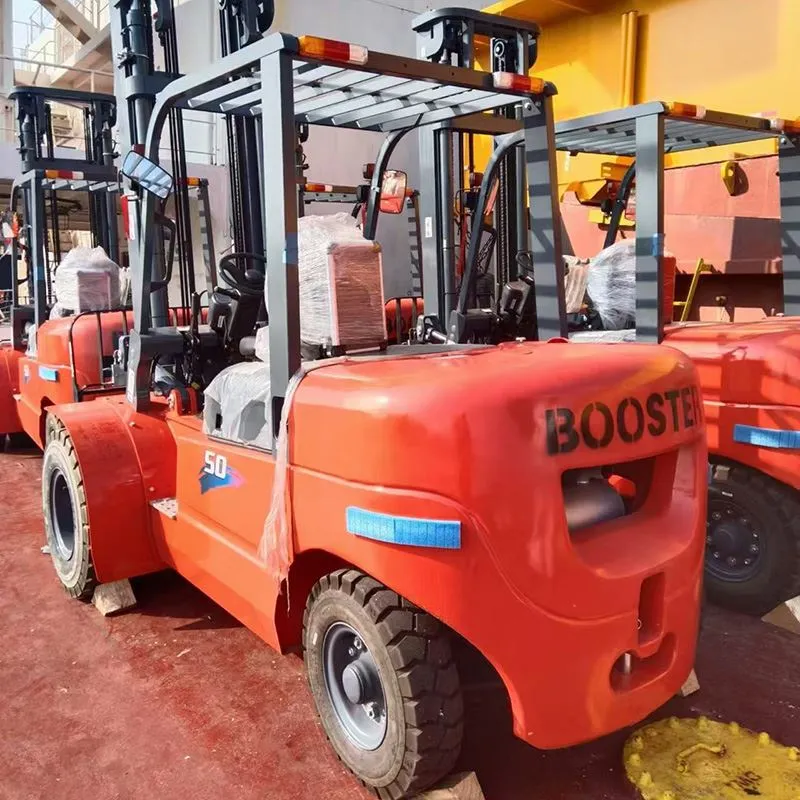
So, to sum it up, a diesel forklift can be used in wet conditions, but it requires careful consideration and proper precautions. If you're operating in a consistently wet environment, a refitted forklift might be the best choice. If you're just dealing with occasional wet conditions, taking the right steps to protect your standard diesel forklift can help keep it running smoothly.
If you're in the market for a diesel forklift, whether for wet conditions or other applications, we're here to help. We offer a wide range of high - quality Diesel Forklifts that can be customized to meet your specific needs. Our team of experts can provide you with all the information you need to make the right choice. Don't hesitate to reach out and start a conversation about your forklift requirements. We're eager to work with you to find the perfect solution for your business.
References
- Industrial Forklift Handbook, various industry experts
- Diesel Engine Mechanics Guide, published by automotive and industrial mechanics associations