

As a forklift supplier, I often get asked the question: "Can a forklift be modified?" This is a topic that not only interests operators looking to enhance their forklift's performance but also businesses aiming to adapt equipment to specific operational needs. In this blog, I'll explore the feasibility, reasons, processes, and considerations of forklift modification.
Feasibility of Forklift Modification
The short answer is yes, a forklift can be modified. However, the extent of modification depends on various factors, including the forklift's make and model, its intended use after modification, and compliance with safety regulations. Modern forklifts are designed with a certain degree of flexibility, allowing for some level of customization. For instance, minor modifications such as changing the forks' length or adding auxiliary lighting are relatively straightforward and common.
On the other hand, more significant modifications, like altering the power source or the lifting mechanism, require in - depth technical knowledge and may involve complex engineering work. It's crucial to understand that any modification should not compromise the forklift's safety and structural integrity. Before proceeding with any modification, it's advisable to consult with the forklift manufacturer or a qualified technician. They can provide insights into what is possible and what potential risks might be associated with the proposed changes.
Reasons for Forklift Modification
There are several reasons why a business might consider modifying a forklift. One of the most common reasons is to adapt the forklift to specific operational requirements. For example, in a warehouse with narrow aisles, a standard forklift may not be able to maneuver effectively. By modifying the forklift's turning radius or the width of the mast, it can be made more suitable for such an environment.
Another reason is to improve the forklift's performance. This could involve upgrading the engine for better power and efficiency, especially in applications where heavy loads need to be lifted frequently. Additionally, businesses may want to add features for operator comfort and safety. Installing a better seat, improved visibility aids, or advanced control systems can enhance the overall user experience and reduce the risk of accidents.
Some companies also modify forklifts to meet environmental regulations. For example, converting a Diesel Forklift to an electric - powered one can significantly reduce emissions, making it more environmentally friendly and suitable for indoor use.
Types of Forklift Modifications
1. Fork and Attachment Modifications
Forks are one of the most commonly modified parts of a forklift. Changing the length, width, or shape of the forks can allow the forklift to handle different types of loads. For example, longer forks are useful for handling oversized pallets, while specialized forks can be used for lifting irregularly shaped objects.
In addition to forks, various attachments can be added to a forklift. These include clamps for handling barrels or cartons, rotators for turning loads, and side - shifters for precise positioning. These attachments can greatly expand the forklift's functionality and make it more versatile in different work scenarios.
2. Power Source Modifications
As mentioned earlier, power source modification is a significant change that can have a major impact on the forklift's performance and environmental footprint. Converting from a diesel or gasoline - powered forklift to an electric one is becoming increasingly popular. Electric forklifts are quieter, produce no emissions, and have lower operating costs in the long run.
However, this type of modification requires careful planning. It involves replacing the engine, fuel system, and battery components, and ensuring that the electrical system can handle the new power requirements.
3. Structural Modifications
Structural modifications are more complex and usually involve changes to the forklift's frame or mast. These modifications are often done to increase the forklift's lifting capacity or to adapt it to specific height requirements. For example, in a high - bay warehouse, a forklift may need to be modified with a taller mast to reach the upper shelves.
It's important to note that structural modifications should only be carried out by experienced professionals, as any error can compromise the forklift's stability and safety.
4. Control System Modifications
Upgrading the control system of a forklift can improve its ease of use and precision. Modern control systems can include features such as programmable lifting speeds, automatic load leveling, and remote - control capabilities. These features can enhance operator productivity and reduce the risk of damage to goods.
The Modification Process
If you've decided to modify your forklift, here's a general process to follow:
1. Assessment
The first step is to assess your needs and the feasibility of the proposed modification. Consult with your forklift supplier, manufacturer, or a qualified technician. They can help you determine whether the modification is possible, what the potential costs are, and how it will affect the forklift's performance and safety.
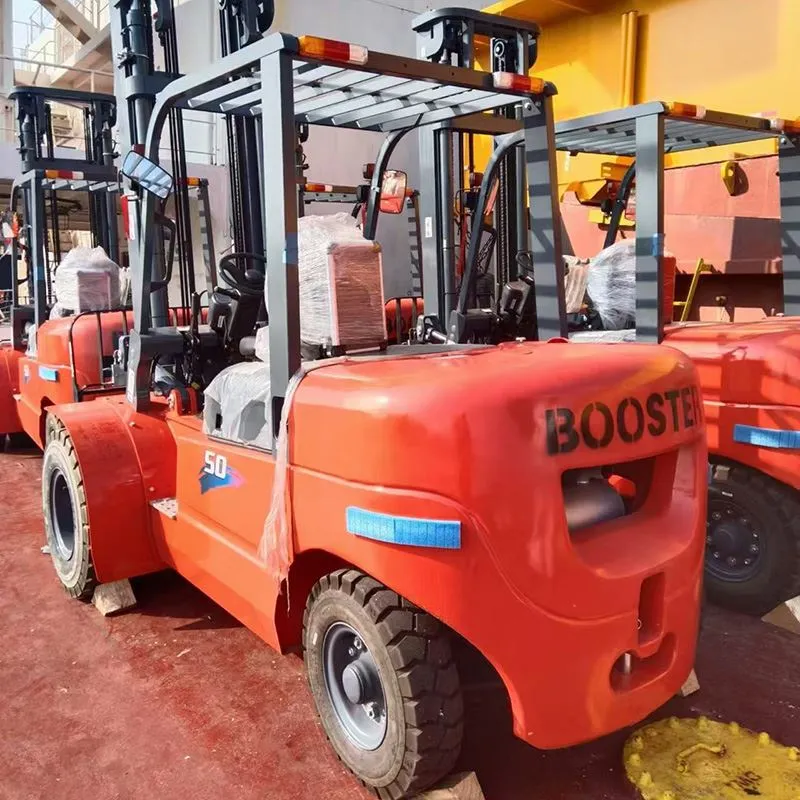

2. Design and Planning
Once you've determined that the modification is feasible, the next step is to design the modification. This involves creating detailed plans and specifications for the changes. The design should take into account all aspects of the forklift, including its mechanical, electrical, and hydraulic systems.
3. Modification
The actual modification process should be carried out by trained technicians. They will use the design plans to make the necessary changes to the forklift. This may involve removing and replacing parts, installing new components, and testing the system to ensure it works properly.
4. Testing and Certification
After the modification is complete, the forklift should be thoroughly tested to ensure that it meets all safety and performance standards. In many cases, the modified forklift will need to be certified by a recognized authority. This certification is important as it ensures that the forklift is safe to operate and compliant with relevant regulations.
Considerations for Forklift Modification
1. Safety
Safety should always be the top priority when modifying a forklift. Any modification should not compromise the forklift's stability, braking system, or other safety features. It's essential to follow all safety guidelines and regulations during the modification process.
2. Warranty
Modifying a forklift may void its original warranty. Before making any changes, it's important to check with the manufacturer about their warranty policy. Some manufacturers may offer their own modification services or approve of certain types of modifications without voiding the warranty.
3. Cost
Modifying a forklift can be expensive, especially for more significant changes. It's important to weigh the cost of modification against the potential benefits. In some cases, it may be more cost - effective to purchase a new forklift that already has the desired features.
4. Regulatory Compliance
Forklift modifications must comply with local and national regulations. These regulations cover aspects such as safety standards, emissions requirements, and operator training. Failure to comply with these regulations can result in fines and legal issues.
Conclusion
In conclusion, a forklift can be modified, and there are many valid reasons for doing so. Whether it's to adapt to specific operational needs, improve performance, or meet environmental regulations, forklift modification can be a valuable investment for businesses. However, it's important to approach the process with caution, ensuring that all modifications are carried out safely, legally, and cost - effectively.
If you're considering modifying a forklift or are interested in Refitted Forklift options, our team of experts is here to help. We have extensive experience in forklift modification and can provide you with professional advice and high - quality services. Contact us to discuss your specific requirements and explore the possibilities of forklift modification for your business.
References
- Forklift Safety Standards Handbook, Occupational Safety and Health Administration (OSHA)
- Forklift Engineering and Design Manual, Industrial Truck Association (ITA)
- Best Practices for Forklift Modification, National Institute for Occupational Safety and Health (NIOSH)


