

As a supplier of Refitted Forklifts, I often get asked whether our refitted forklifts can be used in the automotive industries. In this blog, I'll delve into this question, exploring the capabilities, advantages, and considerations of using refitted forklifts in the automotive sector.
The Automotive Industry's Material Handling Needs
The automotive industry is a complex and high - precision sector. It involves the production, assembly, and distribution of vehicles, which requires efficient and reliable material handling equipment. From moving heavy engine blocks and large body panels to transporting smaller components like screws and electrical parts, there's a wide range of material handling tasks.
Automotive manufacturing plants are typically large, with multiple production lines and storage areas. Forklifts play a crucial role in keeping the workflow smooth. They need to be able to operate in tight spaces, lift heavy loads with precision, and integrate well with other automated systems in the plant.
Capabilities of Refitted Forklifts
Refitted Forklifts are designed to meet specific requirements. They can be customized in terms of lifting capacity, mast height, and fork length. For the automotive industry, this customization is a significant advantage.
Lifting Capacity: Automotive components can vary greatly in weight. Engine blocks can weigh several hundred kilograms, while smaller parts are much lighter. A refitted forklift can be adjusted to have a lifting capacity that suits the specific needs of different operations within the automotive plant. For example, for moving large chassis parts, a forklift with a high lifting capacity can be refitted, while for handling smaller components in the assembly area, a forklift with a lower but more precise lifting capacity can be used.
Mast Height: In automotive warehouses, there are often high - rack storage systems. Refitted forklifts can have their masts extended to reach these high storage locations. This allows for efficient use of vertical space in the warehouse, maximizing storage capacity.
Fork Length and Design: The design of the forks can also be customized. In the automotive industry, some components have unique shapes and sizes. Special - shaped forks can be refitted to ensure a secure grip on these components during transportation. For instance, forks with a wider or narrower spread can be used depending on the size of the parts being handled.
Advantages of Using Refitted Forklifts in the Automotive Industry
Cost - Efficiency
One of the main advantages of using refitted forklifts is cost - efficiency. Buying brand - new forklifts that are specifically designed for all the different tasks in the automotive industry can be extremely expensive. Refitting existing forklifts is a more economical option. Instead of investing in multiple new forklifts, a single forklift can be refitted to perform different functions at different times. This can significantly reduce the overall capital expenditure for the automotive plant.
Environmental Benefits
Refitting forklifts also has environmental benefits. By extending the lifespan of existing forklifts, less waste is generated. Manufacturing new forklifts requires a significant amount of raw materials and energy. Refitting reduces the demand for new production, thus conserving resources and reducing the carbon footprint of the automotive industry.
Adaptability
The automotive industry is constantly evolving, with new vehicle models and production techniques being introduced regularly. Refitted forklifts can be easily adapted to these changes. For example, if a new type of battery - powered vehicle is being produced, and the battery packs have a different size and weight compared to traditional engines, the forklift can be refitted to handle these new components.
Considerations When Using Refitted Forklifts in the Automotive Industry
Safety Standards
Safety is of utmost importance in the automotive industry. Refitted forklifts must meet all relevant safety standards. This includes proper braking systems, stability controls, and visibility features. Before using a refitted forklift in an automotive plant, it should be thoroughly tested and certified to ensure that it meets the required safety regulations.
Compatibility with Existing Systems
Automotive plants often have a range of automated systems, such as conveyor belts and robotic assembly lines. Refitted forklifts need to be compatible with these existing systems. For example, they should be able to interface with the plant's inventory management system to ensure accurate tracking of components.
Maintenance and Support
Regular maintenance is essential for the reliable operation of refitted forklifts. As a Refitted Forklift supplier, we offer comprehensive maintenance and support services. However, automotive plants also need to have in - house maintenance teams or contracts with reliable service providers to ensure that any issues with the refitted forklifts can be quickly resolved.
Comparison with Diesel Forklifts
Diesel forklifts are commonly used in industrial settings, including the automotive industry. While they have their own advantages, such as high power and long - distance operation, refitted forklifts offer some unique benefits.
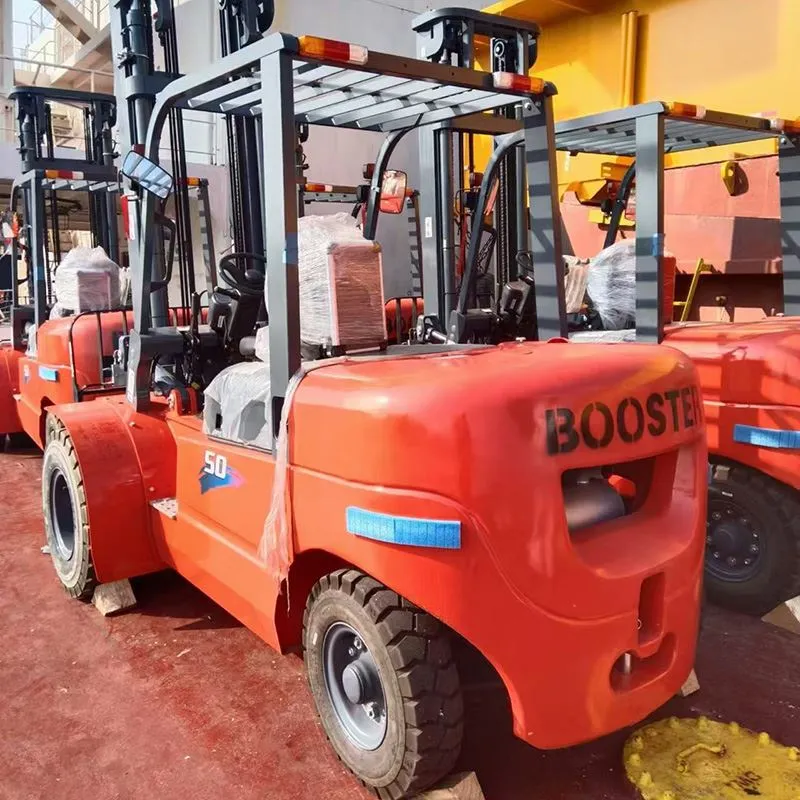
Diesel Forklift are known for their strong lifting power, which is suitable for moving heavy loads over long distances. However, they produce emissions, which can be a concern in enclosed automotive manufacturing plants. Refitted forklifts can be converted to electric or other clean - energy sources, reducing air pollution and creating a healthier working environment.
Diesel forklifts also require regular fueling and maintenance of the diesel engine. Refitted forklifts, especially those converted to electric power, have fewer moving parts and lower maintenance requirements in some aspects. Additionally, the cost of diesel fuel can be volatile, while the cost of electricity is generally more stable.
Conclusion
In conclusion, refitted forklifts can indeed be used in the automotive industries. Their customization capabilities, cost - efficiency, environmental benefits, and adaptability make them a viable option for material handling in automotive plants. However, it's important to consider safety standards, compatibility with existing systems, and maintenance requirements.
If you're in the automotive industry and are looking for a reliable and cost - effective material handling solution, I encourage you to consider our refitted forklifts. Our team of experts can work with you to understand your specific needs and provide a customized refitted forklift solution. Contact us to start a discussion about your procurement requirements and how our refitted forklifts can improve the efficiency of your operations.

References
- Smith, J. (2020). Material Handling in the Automotive Industry. Industrial Engineering Journal.
- Johnson, A. (2019). The Future of Forklift Technology. Logistics and Supply Chain Magazine.
- Brown, C. (2021). Cost - Benefit Analysis of Refitted Forklifts. Manufacturing Insights.


