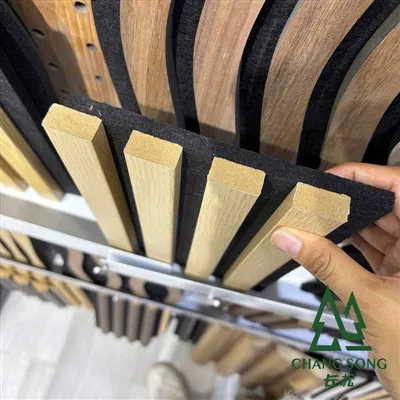
Hey there! As a flexible plywood supplier, I often get asked if flexible plywood can be used for decorative panels. Well, the short answer is yes, and in this blog, I'll dive deep into why it's a great choice, its benefits, and some tips on using it for decorative purposes.
What is Flexible Plywood?
First things first, let's talk about what flexible plywood is. It's a type of plywood that's designed to bend easily without cracking or breaking. Unlike regular plywood, which is rigid and flat, flexible plywood can be curved to fit various shapes and designs. This is achieved by using thinner veneers and a special manufacturing process that allows the wood to flex.
Why Use Flexible Plywood for Decorative Panels?
There are several reasons why flexible plywood is an excellent option for decorative panels.
1. Versatility
One of the biggest advantages of flexible plywood is its versatility. You can use it to create all sorts of decorative elements, from curved wall panels to unique furniture pieces. Whether you're going for a modern, minimalist look or a more traditional, ornate style, flexible plywood can be shaped and customized to fit your vision. For example, you could create a series of curved panels for a feature wall in a living room or use it to build a custom bookshelf with curved shelves.
2. Aesthetics
Flexible plywood has a natural, warm look that can add a touch of elegance to any space. The wood grain and texture give it a unique character that's hard to replicate with other materials. Plus, you can finish it in a variety of ways, such as staining, painting, or varnishing, to match your decor. Whether you want a rustic, distressed look or a sleek, polished finish, flexible plywood can be transformed to suit your style.
3. Durability
Despite its flexibility, flexible plywood is still a strong and durable material. It can withstand normal wear and tear and is resistant to warping and cracking. This makes it a great choice for decorative panels that will be exposed to the elements or heavy use. For example, if you're using flexible plywood for outdoor decorative panels, it will be able to withstand rain, sun, and wind without deteriorating.


4. Cost-Effective
Compared to some other materials used for decorative panels, such as solid wood or metal, flexible plywood is relatively inexpensive. This makes it a great option for budget-conscious DIYers or professional designers looking to create high-end looks on a budget. You can get a lot of bang for your buck with flexible plywood, and it's a cost-effective way to add a unique touch to your space.
Where to Find Flexible Plywood
If you're interested in using flexible plywood for your decorative panel project, you might be wondering where to find it. One option is to check your local home improvement stores, such as Flexible Plywood Home Depot. They often carry a selection of flexible plywood in different sizes and thicknesses. Another option is to look online. There are many suppliers that specialize in flexible plywood and can ship it directly to your door. You can also check out Bendy Plywood Home Depot for more options.
Tips for Using Flexible Plywood for Decorative Panels
Here are some tips to help you get the most out of your flexible plywood when using it for decorative panels:
1. Plan Your Design
Before you start cutting and bending your flexible plywood, it's important to plan your design. Sketch out your idea on paper or use a design software to visualize how the panels will look in your space. This will help you determine the size and shape of the panels you need and ensure that everything fits together properly.
2. Choose the Right Thickness
Flexible plywood comes in different thicknesses, and the thickness you choose will depend on the size and shape of your panels and the amount of flexibility you need. Thinner plywood is more flexible but may not be as strong, while thicker plywood is less flexible but more durable. As a general rule, for small, curved panels, you can use thinner plywood, while for larger, more structural panels, you'll want to use thicker plywood.
3. Use the Right Tools
To cut and bend flexible plywood, you'll need the right tools. A jigsaw or circular saw is great for cutting the plywood to size, while a bending form or a steam box can be used to bend the plywood into the desired shape. Make sure you have all the necessary tools before you start your project and follow the manufacturer's instructions for using them safely.
4. Finish the Plywood
Once you've cut and bent your flexible plywood, it's important to finish it to protect it from moisture and damage. You can stain, paint, or varnish the plywood to give it the look you want and to seal the wood. Make sure you apply the finish evenly and allow it to dry completely before installing the panels.
Conclusion
In conclusion, flexible plywood is an excellent choice for decorative panels. It's versatile, aesthetically pleasing, durable, and cost-effective. Whether you're a DIY enthusiast or a professional designer, flexible plywood can help you create unique and beautiful decorative elements for your home or commercial space. So, if you're looking for a way to add a touch of creativity and style to your next project, consider using flexible plywood for your decorative panels.
If you're interested in purchasing flexible plywood for your decorative panel project, I'd love to chat with you. Just reach out, and we can discuss your needs and find the perfect solution for you.
References
- Wood Handbook: Wood as an Engineering Material. Forest Products Laboratory.
- Plywood: A Comprehensive Guide. National Plywood Association.