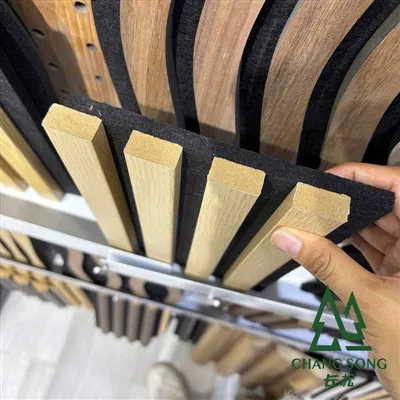
Hey there! As a supplier of MDF Acoustic Panels, I often get asked if MDF acoustic panels can be used in combination with other acoustic materials. And the short answer is yes! In fact, combining different acoustic materials can often lead to better acoustic performance and more customized solutions for various spaces. Let's dive into this topic and explore how MDF acoustic panels can play well with other materials.
Why Combine Acoustic Materials?
Before we get into the specific combinations, let's talk about why you might want to mix and match acoustic materials in the first place. Different acoustic materials have different properties. Some are great at absorbing high - frequency sounds, while others are better at dealing with low - frequency noises. By combining them, you can create a more comprehensive acoustic treatment that addresses a wider range of frequencies.
Another reason is aesthetics and design. You might want to use different materials to achieve a certain look or texture in a space. Maybe you want the smooth, modern look of MDF panels in some areas and the natural, rustic feel of wood wool panels in others. Combining materials gives you more design flexibility.
MDF Acoustic Panels: A Quick Overview
First, let's briefly talk about MDF acoustic panels. MDF, or Medium - Density Fiberboard, is a composite material made from wood fibers glued together under high pressure and heat. MDF acoustic panels are designed with perforations or special finishes to enhance their sound - absorbing properties. They are relatively affordable, easy to install, and can be painted or finished to match any interior design. You can learn more about them on our MDF Acoustic Panel page.
Combinations with Other Acoustic Materials
1. MDF Acoustic Panels and Fiberglass Insulation
Fiberglass insulation is a popular acoustic material known for its excellent sound - absorbing capabilities, especially for high - frequency sounds. When used in combination with MDF acoustic panels, fiberglass insulation can be placed behind the panels. The MDF panels act as a front layer that not only provides a nice finish but also helps to diffuse the sound before it reaches the fiberglass. This combination can significantly improve the overall sound absorption in a room, making it great for recording studios, home theaters, or offices where noise reduction is crucial.
2. MDF Acoustic Panels and Fabric - Wrapped Acoustic Panels
Fabric - wrapped acoustic panels are not only great at absorbing sound but also add a soft, warm look to a space. You can use MDF acoustic panels in areas where you need a more rigid or structured look, and fabric - wrapped panels in areas where you want a more cozy, inviting feel. For example, in a restaurant, you could use MDF panels along the walls near the kitchen area for durability, and fabric - wrapped panels in the dining area for a more pleasant dining experience. This combination can also help to balance the acoustics in a large space, as the fabric panels can absorb some of the mid - to high - frequency sounds while the MDF panels contribute to the overall sound management.
3. MDF Acoustic Panels and Bass Traps
Bass traps are specifically designed to absorb low - frequency sounds, which can be a challenge to deal with in many spaces. MDF acoustic panels are more effective at mid - to high - frequency absorption. By combining bass traps with MDF acoustic panels, you can create a more well - rounded acoustic environment. Place bass traps in the corners of a room, where low - frequency sound waves tend to accumulate, and MDF panels on the walls and ceilings to handle the higher frequencies. This combination is ideal for music studios, where accurate sound reproduction across all frequencies is essential.
4. MDF Acoustic Panels and Acoustic Wallpapers
Acoustic wallpapers are a relatively new and innovative acoustic solution. They are easy to install and can add a decorative touch to a room. You can use MDF acoustic panels as a base layer for more significant sound absorption and then cover some areas with acoustic wallpapers for added style. For example, in a hotel lobby, you could use MDF panels on the main wall areas and acoustic wallpapers in the reception area to create a visually appealing and acoustically friendly environment. Check out our Acoustic Panel Wall page for more inspiration on wall acoustic solutions.
Installation Considerations
When combining MDF acoustic panels with other materials, proper installation is key. Make sure that all materials are installed correctly according to the manufacturer's instructions. For example, when using fiberglass insulation behind MDF panels, ensure that the insulation is properly sealed to prevent any fibers from escaping. Also, pay attention to the spacing between different materials. Sometimes, leaving a small air gap between panels can enhance their acoustic performance.
Benefits of Using Combinations
- Improved Acoustic Performance: As mentioned earlier, combining different materials allows you to address a wider range of frequencies, resulting in better overall sound quality in a space.
- Enhanced Aesthetics: You can create a more interesting and unique look by mixing and matching different materials, which is great for both commercial and residential spaces.
- Cost - Effectiveness: Instead of relying solely on expensive high - end acoustic materials, you can use a combination of more affordable materials like MDF acoustic panels with other materials to achieve similar results at a lower cost.
Conclusion
In conclusion, MDF acoustic panels can definitely be used in combination with other acoustic materials, and doing so can bring many benefits. Whether you're looking to improve the acoustics in a recording studio, a home theater, an office, or a commercial space, there are plenty of options for combining MDF acoustic panels with other materials to create a customized solution.


If you're interested in exploring these combinations further or have any questions about our MDF acoustic panels, feel free to reach out. We're here to help you find the best acoustic solution for your needs. Let's start a conversation about your project and see how we can make your space sound and look great!
References
- "Acoustic Materials Handbook" - A comprehensive guide on different acoustic materials and their properties.
- "Sound Design for Buildings" - A book that covers the principles of acoustic design and material combinations.