Can Melamine Faced MDF be used for children's furniture?
As a seasoned supplier of Melamine Faced MDF, I've often been asked whether this material is suitable for children's furniture. This question is of great significance as children are more vulnerable to environmental factors, and their furniture needs to meet high - safety and quality standards. In this blog, I'll explore the characteristics of Melamine Faced MDF and analyze its viability for children's furniture.
Understanding Melamine Faced MDF
Melamine Faced MDF is a composite wood product. It consists of a medium - density fiberboard (MDF) core, which is made by breaking down hardwood or softwood residuals into wood fibers, combining them with wax and a resin binder, and then forming panels under high temperature and pressure. On top of this MDF core, a melamine resin - impregnated paper is applied through a heat - pressing process.
The melamine facing gives the board several appealing features. First of all, it provides excellent scratch and abrasion resistance. Children can be quite rough with their furniture, often dragging toys across surfaces or using them as a canvas for impromptu art projects. A Melamine Faced MDF surface can withstand these daily abuses better than many other materials, ensuring that the furniture retains its good looks over time.
Secondly, it offers a wide range of colors and patterns. Whether you're aiming for a fun, cartoon - themed nursery or a more sophisticated, neutral - toned study area for an older child, there are numerous options available. You can find melamine finishes that mimic the look of natural wood, such as Oak MDF Sheets, or choose bright, solid colors to add a pop of color to the room.
In terms of hygiene, Melamine Faced MDF is relatively easy to clean. Spills, dirt, and stains can be wiped off with a damp cloth, which is essential in a children's environment where messes are inevitable. This also helps to prevent the growth of bacteria and mold, creating a healthier living space for kids.
Safety Considerations
One of the most critical aspects when it comes to children's furniture is safety. Regarding Melamine Faced MDF, there are two main safety concerns that need to be addressed: formaldehyde emissions and physical safety.
Formaldehyde is a common chemical used in the production of many wood - based products, including MDF. High levels of formaldehyde emissions can cause respiratory problems, eye irritation, and other health issues, especially in children whose immune systems are still developing. However, modern manufacturing processes have made significant progress in reducing formaldehyde emissions. Our Melamine Faced MDF products comply with strict international standards for formaldehyde emissions. We use low - formaldehyde or formaldehyde - free adhesives in the production of the MDF core, and the melamine facing acts as a barrier, further reducing the release of formaldehyde into the environment.
In terms of physical safety, Melamine Faced MDF is a stable and sturdy material. It has a uniform density, which means it is less likely to warp or crack compared to some natural woods. This stability reduces the risk of sharp edges or splinters that could potentially harm children. Additionally, the smooth melamine surface eliminates the need for sanding or finishing that might leave behind rough spots.
Durability and Long - Term Use
Children grow quickly, and their furniture needs to keep up with their changing needs. Melamine Faced MDF offers good durability, making it a cost - effective choice for children's furniture. As mentioned earlier, its scratch - resistant surface can withstand the rigors of daily use. Whether it's a toddler climbing on a dresser or a pre - teen using a desk for homework and gaming, the furniture is likely to remain intact for a long time.
Moreover, the material's resistance to moisture and humidity is better than that of some natural woods. In a child's room, where there may be spills or high humidity from baths and showers, Melamine Faced MDF can resist swelling and warping. This is in contrast to natural wood, which may require more maintenance and is more prone to damage in humid conditions.
Design Flexibility
Another advantage of using Melamine Faced MDF for children's furniture is its design flexibility. The material can be easily cut, routed, and shaped into various forms. Furniture manufacturers can create unique and customized pieces, such as bunk beds with built - in storage, or desks with curved edges for a more modern look.
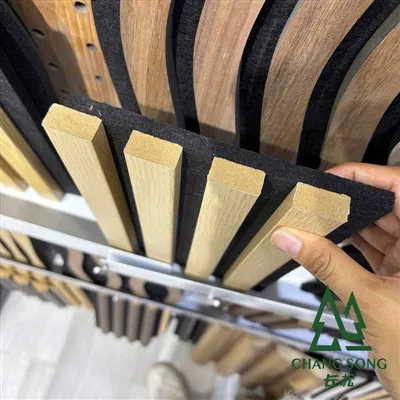
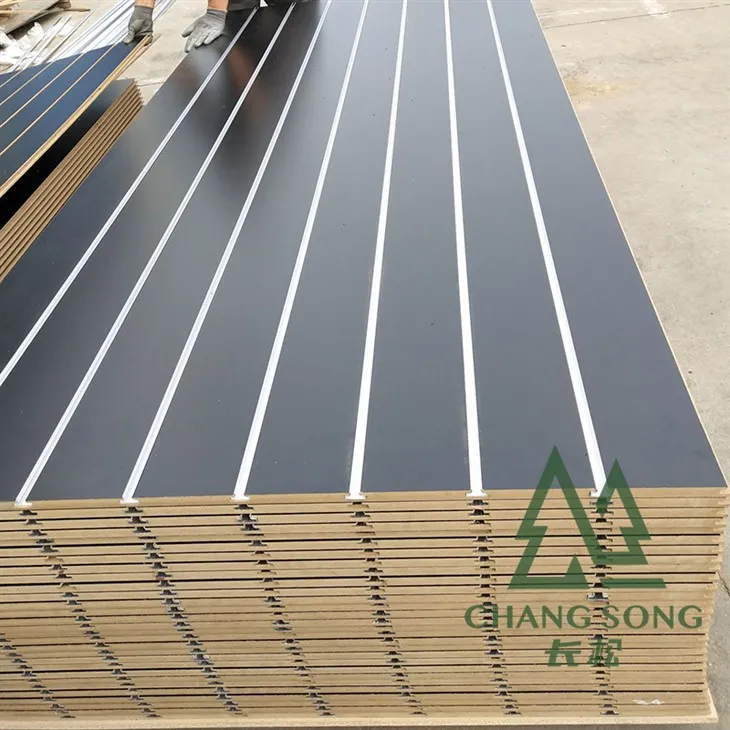
In addition to standard furniture pieces, Melamine Faced MDF can also be used for decorative elements in a child's room. For example, Slotted Wall MDF can be used to create a feature wall, adding an interesting visual element to the space. These slotted panels can also be used to display toys, books, or artworks, making the room more interactive and engaging for children.
Cost - Effectiveness
When it comes to furnishing a child's room, budget is often a consideration. Melamine Faced MDF is generally more affordable than solid wood furniture. This allows parents to purchase high - quality, durable furniture without breaking the bank. The lower cost also means that if a child outgrows the furniture or if it gets damaged beyond repair, it can be replaced more easily.
Conclusion
In conclusion, Melamine Faced MDF is a viable option for children's furniture. Its scratch - resistant surface, safety features, durability, design flexibility, and cost - effectiveness make it a practical choice for parents. Our company is committed to providing high - quality Melamine Faced MDF products that meet the strictest safety and quality standards.

If you're in the market for materials to produce children's furniture or are looking to upgrade your child's room, I encourage you to consider Melamine Faced MDF. We'd be more than happy to discuss your specific needs and provide you with samples and detailed product information. Please feel free to reach out to us to start a procurement discussion and find the best solution for your project.
References
- "Wood - Based Panels: Properties, Production, and Applications" by various authors
- Industry reports on formaldehyde emissions standards for wood - based products
- Studies on the durability and safety of composite wood materials in indoor environments