

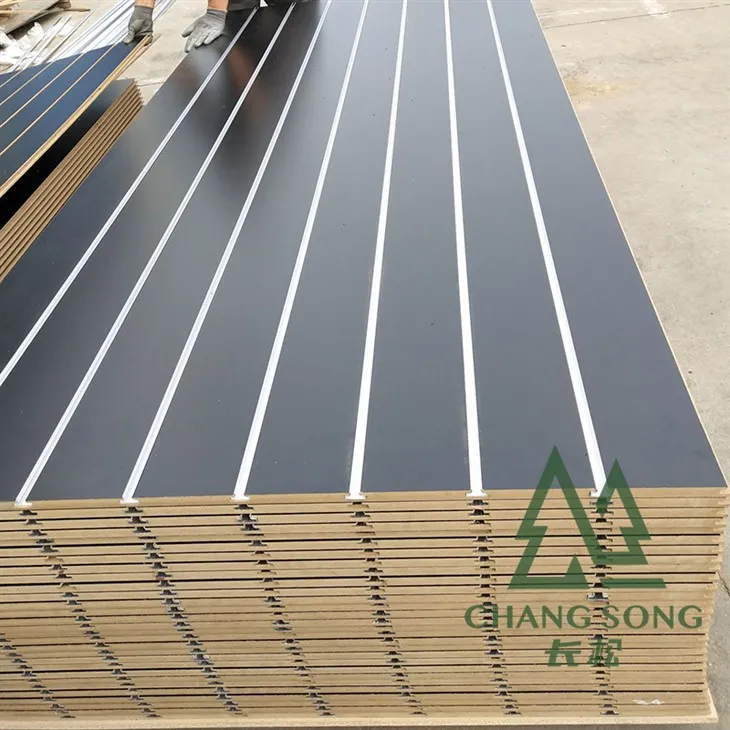
Melamine faced MDF, a popular material in the interior design and furniture industry, has been a staple in many projects. As a supplier of Slotted Wall MDF, Melamine Faced MDF, and Oak MDF Sheets, I often receive inquiries about the suitability of melamine faced MDF for outdoor use. In this blog post, I'll delve into the properties of melamine faced MDF, the challenges it faces outdoors, and whether it can indeed be used in outdoor settings.
Understanding Melamine Faced MDF
Melamine faced MDF is a composite material made by bonding a melamine resin-impregnated paper to a medium - density fiberboard (MDF) substrate. MDF itself is created by breaking down hardwood or softwood residuals into wood fibers, combining them with wax and a resin binder, and then forming panels under high temperature and pressure. The melamine facing provides a smooth, durable, and decorative surface that is resistant to scratches, stains, and abrasions. It comes in a wide range of colors and patterns, making it a versatile choice for various applications such as cabinetry, furniture, and interior wall paneling.
The Challenges of Using Melamine Faced MDF Outdoors
Moisture and Humidity
One of the most significant challenges of using melamine faced MDF outdoors is its vulnerability to moisture. MDF, being a wood - based material, has a porous structure that can absorb water. When exposed to rain, snow, or high humidity levels, the MDF substrate can swell, warp, and delaminate. The melamine facing, while somewhat resistant to water, is not completely waterproof. Over time, water can seep through the edges or any small cracks in the facing, causing damage to the underlying MDF.
UV Radiation
Another factor to consider is ultraviolet (UV) radiation from the sun. UV rays can cause the melamine facing to fade, discolor, and become brittle over time. The intense sunlight can break down the chemical bonds in the melamine resin, leading to a loss of its protective and aesthetic properties. This not only affects the appearance of the material but also reduces its durability and resistance to other environmental factors.
Temperature Fluctuations
Outdoor environments are subject to significant temperature fluctuations, from hot summers to cold winters. These temperature changes can cause the MDF to expand and contract, putting stress on the melamine facing. If the material is not able to expand and contract uniformly, it can lead to cracking, peeling, or delamination of the facing.

Conditions Where Melamine Faced MDF Might Be Used Outdoors
Sheltered Areas
In some cases, melamine faced MDF can be used in outdoor areas that are well - sheltered from direct exposure to the elements. For example, under a covered patio or porch, where it is protected from rain and excessive sunlight. In these situations, the risk of moisture damage and UV degradation is significantly reduced. However, it is still important to ensure proper ventilation to prevent the buildup of humidity.
Temporary Installations
For temporary outdoor installations, such as trade show booths or short - term displays, melamine faced MDF can be a viable option. Since the exposure time is limited, the risk of long - term damage from moisture, UV radiation, and temperature changes is minimized.
Mitigating the Risks
Sealing the Edges
To reduce the risk of moisture penetration, it is crucial to seal the edges of the melamine faced MDF. This can be done using a high - quality edge banding or a waterproof sealant. By creating a barrier at the edges, water is less likely to seep into the porous MDF substrate.
Protective Coatings
Applying a UV - resistant and waterproof protective coating to the melamine facing can help enhance its durability and resistance to outdoor conditions. There are various types of coatings available on the market, such as polyurethane or epoxy coatings, that can provide an additional layer of protection against moisture, UV radiation, and scratches.
Regular Maintenance
Regular maintenance is essential when using melamine faced MDF outdoors. This includes cleaning the surface regularly to remove dirt, debris, and any potential sources of moisture. Inspecting the material for signs of damage, such as cracks, peeling, or swelling, and addressing any issues promptly can help extend its lifespan.
Alternatives for Outdoor Use
If the risks associated with using melamine faced MDF outdoors are too high, there are several alternative materials that are better suited for outdoor applications.
Plastic Composite Materials
Plastic composite materials, such as PVC or fiberglass, are highly resistant to moisture, UV radiation, and temperature changes. They offer a similar range of colors and finishes to melamine faced MDF and are more durable in outdoor environments.
Treated Wood
Pressure - treated wood is another option. It is infused with chemicals that make it resistant to rot, insects, and decay. While it may not have the same smooth and uniform appearance as melamine faced MDF, it can be a more suitable choice for outdoor structures such as decks, fences, and outdoor furniture.
Conclusion
In conclusion, while melamine faced MDF is a popular and versatile material for indoor applications, its use outdoors is limited due to the challenges posed by moisture, UV radiation, and temperature fluctuations. However, under certain conditions, such as in sheltered areas or for temporary installations, it can be used with proper precautions. If you are considering using melamine faced MDF outdoors, it is important to weigh the benefits against the risks and take appropriate measures to protect the material.
As a supplier of Slotted Wall MDF, Melamine Faced MDF, and Oak MDF Sheets, I am always available to provide more information and guidance on the best materials for your specific project. Whether you are working on an indoor or outdoor project, we can help you find the right solution that meets your needs and budget. If you have any questions or would like to discuss your project in more detail, please feel free to reach out to us. We look forward to working with you on your next project.
References
- "Wood - Based Panels: Properties, Production, and Uses." Forest Products Laboratory.
- "The Effects of Moisture on Wood - Based Composite Materials." Journal of Wood Science.
- "UV Degradation of Melamine Resins." Polymer Degradation and Stability.


