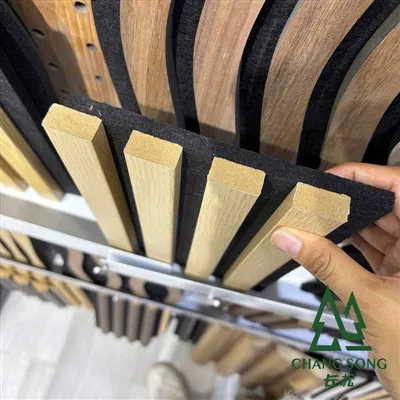
Veneered MDF, a composite material that combines the smooth, stable core of Medium - Density Fiberboard (MDF) with a thin layer of natural wood veneer, has become a popular choice in the furniture industry. As a veneered MDF supplier, I often encounter questions from clients about its suitability for furniture production. In this blog, I'll explore the various aspects of using veneered MDF for furniture, including its advantages, limitations, and applications.
Advantages of Using Veneered MDF for Furniture
Aesthetic Appeal
One of the most significant advantages of veneered MDF is its ability to mimic the look of solid wood at a lower cost. The natural wood veneer provides the beautiful grain patterns and warm tones that consumers love in wooden furniture. Whether it's the rich, dark hues of walnut or the light, creamy tones of maple, veneered MDF can offer a wide range of wood species options. For example, Oak MDF Sheets are highly sought - after for their classic and timeless appearance, which can add a touch of elegance to any furniture piece.
Consistency and Stability
MDF itself is known for its uniformity. Unlike solid wood, which can have knots, cracks, or variations in density, MDF has a consistent structure throughout. When combined with a veneer, this stability is transferred to the final furniture product. Veneered MDF is less likely to warp, twist, or crack due to changes in humidity and temperature. This makes it an ideal choice for furniture that needs to maintain its shape over time, such as cabinets, bookshelves, and desks.
Cost - Effectiveness
Producing furniture from solid wood can be expensive, especially when using high - quality or rare wood species. Veneered MDF offers a cost - effective alternative. Since only a thin layer of real wood is used as the veneer, less of the expensive natural wood is required. This allows manufacturers to create furniture with the look of solid wood at a fraction of the cost, making it more accessible to a wider range of consumers.


Workability
Veneered MDF is relatively easy to work with. It can be cut, drilled, and shaped using standard woodworking tools. This makes it a popular choice for furniture manufacturers who need to produce complex designs. For instance, Slotted Wall MDF can be used to create unique wall - mounted furniture or decorative panels with ease.
Limitations of Veneered MDF for Furniture
Durability
While veneered MDF is generally durable, the veneer layer is relatively thin and can be scratched or damaged more easily than solid wood. If the furniture is likely to be subject to heavy use or rough handling, the veneer may wear off over time, exposing the underlying MDF. However, with proper care and maintenance, such as using coasters and avoiding sharp objects on the surface, the lifespan of veneered MDF furniture can be significantly extended.
Moisture Resistance
MDF is not naturally resistant to moisture. Although the veneer can provide some protection, prolonged exposure to water or high humidity can cause the MDF core to swell and the veneer to delaminate. This means that veneered MDF is not the best choice for furniture in areas with high moisture levels, such as bathrooms or outdoor settings, unless it is properly sealed and treated.
Repairability
Repairing veneered MDF can be more challenging than repairing solid wood. If the veneer is damaged, it may be difficult to find an exact match for replacement. In some cases, the entire piece of furniture may need to be replaced or refinished, which can be costly.
Applications of Veneered MDF in Furniture
Kitchen Cabinets
Veneered MDF is a popular choice for kitchen cabinets. Its smooth surface and aesthetic appeal make it a great option for creating modern and stylish cabinet fronts. The stability of MDF ensures that the cabinets will maintain their shape over time, even with frequent opening and closing. Additionally, the cost - effectiveness of veneered MDF allows homeowners to achieve a high - end look without breaking the bank.
Bedroom Furniture
In the bedroom, veneered MDF can be used to create dressers, nightstands, and wardrobes. The natural wood veneer adds a warm and inviting touch to the room, while the stability of the MDF ensures that the furniture will last for years. For example, a veneered MDF dresser can be a practical and attractive storage solution for clothing and accessories.
Office Furniture
Desks, bookshelves, and filing cabinets made from veneered MDF are common in office settings. The workability of veneered MDF allows for the creation of functional and stylish office furniture. The consistent appearance of the veneer gives a professional look to the office environment, and the stability of the MDF ensures that the furniture can withstand the daily wear and tear of office use.
Quality Considerations
When choosing veneered MDF for furniture, it's important to consider the quality of both the MDF core and the veneer. High - quality MDF should have a smooth surface and a consistent density. The veneer should be evenly applied and free from defects such as bubbles or gaps. Additionally, the type of adhesive used to bond the veneer to the MDF can affect the durability of the product. A strong and reliable adhesive will ensure that the veneer stays in place for a long time.
Another important factor is the finish applied to the veneered MDF. A good finish can protect the veneer from scratches, stains, and moisture. There are various types of finishes available, such as lacquers, varnishes, and oils. Each finish has its own characteristics, and the choice will depend on the desired look and level of protection.
Alternatives to Veneered MDF
Solid Wood
As mentioned earlier, solid wood is the traditional choice for furniture. It offers a unique and natural beauty that cannot be replicated by veneered MDF. Solid wood is also more durable and easier to repair in some cases. However, it is more expensive and requires more maintenance to prevent warping and cracking.
Melamine Faced MDF
Melamine faced MDF is another alternative. It has a plastic - like surface that is resistant to scratches, stains, and moisture. It is also available in a wide range of colors and patterns. However, it may not have the same natural look as veneered MDF, and some consumers may prefer the appearance of real wood.
Conclusion
In conclusion, veneered MDF can be an excellent choice for furniture production. It offers a combination of aesthetic appeal, stability, and cost - effectiveness that makes it suitable for a wide range of applications. While it has some limitations, such as durability and moisture resistance, these can be managed with proper care and maintenance.
If you're in the market for high - quality veneered MDF for your furniture manufacturing needs, I encourage you to reach out to discuss your requirements. We can provide you with detailed information about our products, including the different types of veneers and MDF cores available, as well as the quality control measures we take to ensure the best possible product. Contact us to start a productive conversation about your furniture projects and how our veneered MDF can meet your needs.
References
- Wood Handbook: Wood as an Engineering Material, Forest Products Laboratory
- Furniture Manufacturing and Design, by John P. Feirer