

As a supplier of Acoustic Panel Walls, I've received numerous inquiries about how these products perform in high - humidity environments. This blog post aims to provide a comprehensive analysis of this topic, drawing on scientific knowledge and real - world experience.
Understanding Acoustic Panel Walls
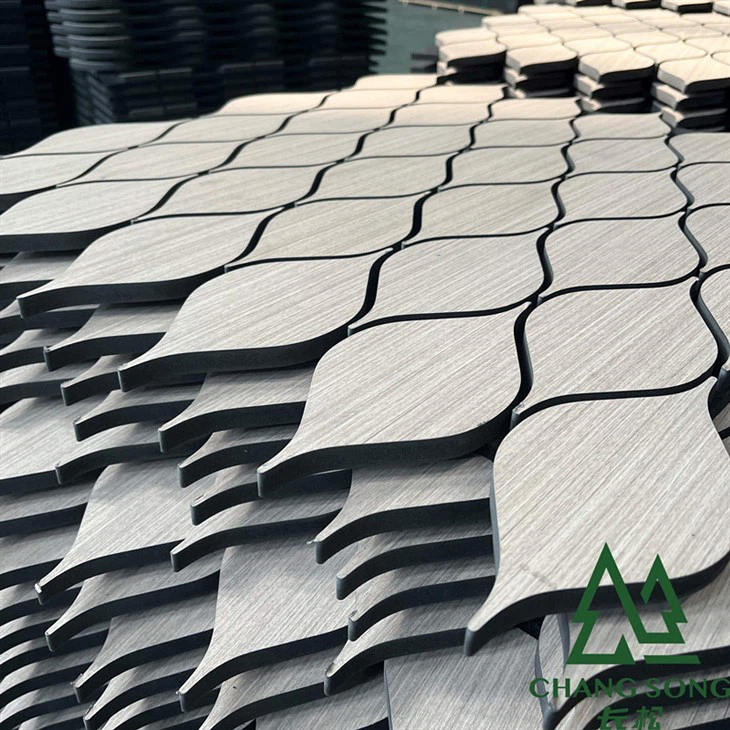
Acoustic panel walls are designed to absorb sound waves and reduce noise levels in various spaces. They come in different materials, each with its own set of properties. One popular type is the MDF Acoustic Panel, which is made from medium - density fiberboard. These panels are known for their good acoustic performance and relatively low cost. The Acoustic Panel Wall systems are often used in auditoriums, recording studios, offices, and other places where sound control is crucial.
High - Humidity Environments: Challenges and Effects
High - humidity environments pose several challenges to building materials, including acoustic panel walls. Humidity refers to the amount of water vapor present in the air. When the humidity level is high, typically above 60%, materials can absorb moisture from the air.
Moisture Absorption
Acoustic panels, especially those made of porous materials, are prone to moisture absorption. For instance, MDF has a certain degree of porosity, which allows it to take in water vapor. As the panels absorb moisture, their physical properties can change. The fibers in MDF may swell, which can lead to warping or distortion of the panel. This not only affects the aesthetic appearance of the acoustic panel wall but also its acoustic performance.
Mold and Mildew Growth
High humidity provides an ideal environment for mold and mildew growth. Mold spores are present in the air, and when they land on a moist surface, they can start to grow if the conditions are right. Acoustic panels that have absorbed moisture can become a breeding ground for mold and mildew. This is not only a problem for the integrity of the panels but also for the health of the people in the space. Mold and mildew can release allergens and irritants into the air, which can cause respiratory problems and other health issues.
Corrosion of Fasteners and Frames
In addition to the panels themselves, the fasteners and frames used in the installation of acoustic panel walls can also be affected by high humidity. Metal fasteners may corrode over time, which can weaken the structure of the wall. This can lead to panels becoming loose or even falling off, posing a safety hazard.
Performance of Acoustic Panel Walls in High - Humidity Environments
Acoustic Performance
The acoustic performance of acoustic panel walls can be significantly impacted by high humidity. As mentioned earlier, moisture absorption can cause the panels to warp or distort. This changes the surface characteristics of the panels, which in turn affects their ability to absorb sound waves. The absorption coefficient of the panels may decrease, meaning that they are less effective at reducing noise levels.
For example, in a high - humidity recording studio, the acoustic panel walls that were initially designed to provide a well - controlled acoustic environment may no longer function as intended. The sound quality may be compromised, with more reverberation and echoes in the room.
Durability
The durability of acoustic panel walls in high - humidity environments is also a concern. The swelling and warping of panels due to moisture absorption can lead to cracks and splits. Over time, this can cause the panels to break down and lose their structural integrity. The growth of mold and mildew can also accelerate the deterioration of the panels, as they can weaken the fibers and materials.
Strategies to Improve Performance in High - Humidity Environments
Material Selection
Choosing the right materials is crucial for ensuring the performance of acoustic panel walls in high - humidity environments. Some materials are more resistant to moisture than others. For example, certain types of synthetic materials or treated wood can be used instead of traditional MDF. These materials have a lower porosity and are less likely to absorb moisture.
Moisture Barriers
Applying moisture barriers to the acoustic panels can help prevent moisture absorption. This can be in the form of a waterproof coating or a plastic film. The moisture barrier acts as a shield, preventing water vapor from reaching the panel material.
Proper Ventilation
Proper ventilation is essential in high - humidity environments. By improving air circulation, the humidity level in the space can be reduced. This can be achieved through the installation of exhaust fans, air conditioners, or dehumidifiers. Good ventilation also helps to prevent the buildup of moisture on the surface of the acoustic panel walls.
Regular Maintenance
Regular maintenance is necessary to keep acoustic panel walls in good condition in high - humidity environments. This includes inspecting the panels for signs of moisture damage, mold, or mildew. If any issues are detected, they should be addressed promptly. For example, if mold is found on the panels, it should be removed using appropriate cleaning agents, and the cause of the moisture problem should be identified and fixed.
Real - World Examples
In a coastal area where the humidity is consistently high, an auditorium installed acoustic panel walls. Initially, the panels provided excellent acoustic performance. However, after a few years, the panels started to show signs of warping and mold growth. The acoustic quality in the auditorium deteriorated, and the management had to take action.

They first installed dehumidifiers to reduce the humidity level in the space. Then, they replaced the damaged panels with moisture - resistant ones and applied a waterproof coating to the new panels. After these measures were taken, the acoustic performance of the walls improved, and the problem of mold growth was resolved.
Conclusion
In conclusion, high - humidity environments present significant challenges to the performance of acoustic panel walls. Moisture absorption, mold and mildew growth, and corrosion of fasteners can all affect the acoustic performance and durability of the panels. However, by choosing the right materials, using moisture barriers, ensuring proper ventilation, and conducting regular maintenance, the performance of acoustic panel walls in high - humidity environments can be improved.
As a supplier of Acoustic Panel Wall, we understand the importance of providing products that can withstand different environmental conditions. If you are considering installing acoustic panel walls in a high - humidity environment, we are here to help. Our team of experts can provide you with advice on material selection, installation, and maintenance to ensure that your acoustic panel walls perform optimally. Contact us today to start a conversation about your acoustic panel wall needs.
References
- ISO 11654:1997 Acoustics - Materials for acoustical applications - Rating of sound absorption
- ASTM C423 - 17 Standard Test Method for Sound Absorption and Sound Absorption Coefficients by the Reverberation Room Method
- National Institute of Building Sciences. (2019). Moisture Control in Buildings.


