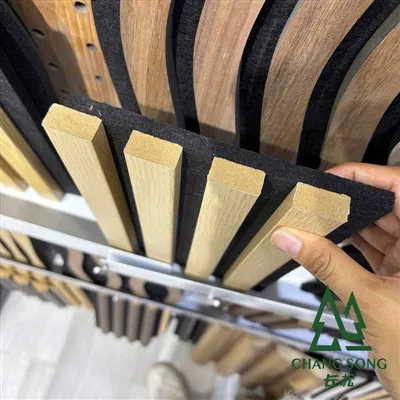
Hey there! As a flexible plywood supplier, I know how important it is to ensure the safety of using this versatile material. Flexible plywood, also known as bendy plywood, is super handy for all sorts of projects, from curved furniture to architectural elements. But like any building material, it comes with its own set of safety considerations. In this blog post, I'm gonna share some tips on how you can use flexible plywood safely.
Understanding Flexible Plywood
First things first, let's talk a bit about what flexible plywood is. It's made by laminating thin layers of wood veneer together. The way these layers are arranged allows the plywood to bend without breaking. This makes it a great choice for projects that require curves or bends. You can find flexible plywood at places like Flexible Plywood Home Depot or Bendy Plywood Home Depot.
Safety During Handling
When you're handling flexible plywood, there are a few things to keep in mind. The edges of the plywood can be sharp, so it's a good idea to wear gloves to protect your hands. Also, because flexible plywood can be quite long and thin, it can be a bit unwieldy to carry. Make sure you have a good grip on it and watch out for any tripping hazards. If you're working with large sheets, it's best to have someone help you.
Cutting and Shaping
Cutting flexible plywood is a bit different from cutting regular plywood. Since it's designed to bend, it can be more prone to splintering if you're not careful. Use a sharp blade and take your time. A fine-tooth saw blade is usually a good choice for cutting flexible plywood. You can also use a router to shape the edges, but again, make sure you're using the right bit and that it's sharp.
When you're cutting, always wear safety glasses to protect your eyes from any flying debris. And if you're using power tools, make sure you're familiar with how they work and follow all the safety instructions. It's also a good idea to work in a well-ventilated area, especially if you're using a saw or router, as the dust can be harmful to your lungs.
Bending and Installation
One of the main reasons people use flexible plywood is for its ability to bend. But bending it safely is crucial. Before you start bending, make sure you have a clear idea of how much you need to bend the plywood. You can use a form or a template to help you achieve the right curve.
When you're bending the plywood, do it slowly and steadily. Don't try to force it too much, as this can cause it to crack or break. If you're using adhesives to install the flexible plywood, make sure you're using the right type for the job. Read the instructions on the adhesive carefully and follow them to the letter.
During installation, make sure the surface you're attaching the plywood to is clean and dry. Use the right fasteners, such as screws or nails, and make sure they're the right size and length. If you're installing the plywood on a curved surface, you may need to pre-drill the holes to prevent the wood from splitting.
Fire Safety
Flexible plywood, like all wood products, is flammable. It's important to take fire safety precautions when using it. Keep any sources of heat or flame away from the plywood, especially when it's being stored. If you're working in an area where there's a risk of fire, make sure you have a fire extinguisher nearby.


You can also treat flexible plywood with a fire retardant to reduce its flammability. There are a variety of fire retardant treatments available on the market. Make sure you follow the instructions on the treatment carefully and apply it evenly.
Storage
Proper storage is also important for ensuring the safety of flexible plywood. Store it in a dry, cool place to prevent it from warping or rotting. If you're storing large sheets, stack them flat and make sure they're supported evenly. You can also use spacers between the sheets to prevent them from sticking together.
Maintenance
Once you've installed your flexible plywood, it's important to maintain it properly. Regularly check for any signs of damage, such as cracks or splintering. If you notice any damage, repair it as soon as possible to prevent it from getting worse.
You can also clean the flexible plywood with a mild detergent and water. Avoid using harsh chemicals or abrasive cleaners, as these can damage the wood.
Conclusion
So, there you have it! These are some of the key things you need to keep in mind to ensure the safety of using flexible plywood. By following these tips, you can enjoy the benefits of this versatile material without putting yourself or others at risk.
If you're interested in purchasing flexible plywood for your next project, I'd love to chat with you. Whether you're a DIY enthusiast or a professional contractor, I can help you find the right type of flexible plywood for your needs. Just reach out, and we can start discussing your project and how I can assist you.
References
- Wood Handbook: Wood as an Engineering Material. USDA Forest Service.
- Safety Guidelines for Woodworking Tools. Occupational Safety and Health Administration (OSHA).