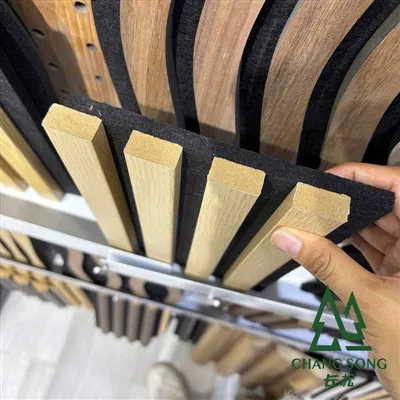
Hey there! I'm a supplier of flexible plywood, and today I wanna chat about how we measure the flexibility of this awesome product. Flexible plywood, also known as bendy plywood, is super useful in a bunch of applications, from furniture making to architectural designs. But how do we know just how flexible it really is? Let's dive in.
Why Measuring Flexibility Matters
First off, why bother measuring the flexibility of flexible plywood? Well, for starters, different projects require different levels of flexibility. If you're making a curved bookshelf, you'll need plywood that can bend to a certain degree without cracking or breaking. On the other hand, if you're using it for a more subtle curve in a wall panel, a less flexible option might do the trick.
As a supplier, it's crucial for us to provide accurate information about the flexibility of our products. That way, our customers can make informed decisions and choose the right plywood for their specific needs. Plus, measuring flexibility helps us maintain quality control and ensure that every sheet of plywood we sell meets our standards.
Common Methods of Measuring Flexibility
There are a few different ways to measure the flexibility of flexible plywood. Let's take a look at some of the most common methods.
1. Bend Radius Test
One of the most straightforward ways to measure flexibility is by determining the minimum bend radius of the plywood. The bend radius is the smallest radius to which the plywood can be bent without causing damage. To perform this test, we take a sheet of plywood and gradually bend it around a cylindrical object, like a pipe or a mandrel. We start with a large radius and slowly decrease it until the plywood starts to show signs of cracking or delamination.
The minimum bend radius is usually expressed in inches or millimeters. For example, if a sheet of flexible plywood has a minimum bend radius of 12 inches, it means that it can be bent around a cylinder with a radius of at least 12 inches without breaking. The smaller the bend radius, the more flexible the plywood.
2. Deflection Test
Another method of measuring flexibility is the deflection test. In this test, we support a sheet of plywood at two points and apply a load at the center. The amount of deflection, or bending, that occurs under the load is measured. The greater the deflection, the more flexible the plywood.


To perform the deflection test, we typically use a testing machine that can apply a controlled load to the plywood. The machine measures the deflection at the center of the sheet and records the results. The deflection is usually expressed in inches or millimeters.
3. Torsional Test
The torsional test measures the ability of the plywood to resist twisting. To perform this test, we clamp one end of a sheet of plywood and apply a torque to the other end. The amount of twist that occurs under the torque is measured. The greater the twist, the less flexible the plywood is in terms of torsional resistance.
The torsional test is particularly important for applications where the plywood will be subjected to twisting forces, such as in furniture legs or structural members. By measuring the torsional resistance, we can ensure that the plywood will perform well in these types of applications.
Factors Affecting the Flexibility of Flexible Plywood
Now that we know how to measure flexibility, let's talk about some of the factors that can affect it.
1. Plywood Thickness
Thicker plywood is generally less flexible than thinner plywood. This is because the thicker the plywood, the more layers of wood veneer it has, and the more difficult it is to bend. However, thicker plywood also tends to be stronger and more durable, so it's a trade-off.
2. Wood Species
Different wood species have different properties, and this can affect the flexibility of the plywood. For example, some woods, like birch and maple, are more flexible than others, like oak and walnut. When choosing flexible plywood, it's important to consider the wood species and its suitability for your specific application.
3. Plywood Construction
The way the plywood is constructed can also affect its flexibility. Plywood that is made with thinner veneers and more layers is generally more flexible than plywood that is made with thicker veneers and fewer layers. Additionally, the orientation of the veneers can also play a role. Plywood that is made with the veneers oriented in a cross-grain pattern is usually more flexible than plywood that is made with the veneers oriented in a parallel-grain pattern.
Importance of Quality Control
As a supplier of flexible plywood, quality control is of utmost importance. We need to ensure that every sheet of plywood we sell meets our standards for flexibility and other properties. To do this, we perform regular testing on our products using the methods I mentioned earlier.
We also work closely with our manufacturers to ensure that they are using high-quality materials and following strict manufacturing processes. By maintaining a high level of quality control, we can provide our customers with reliable and consistent products that they can trust.
Where to Find Flexible Plywood
If you're in the market for flexible plywood, you might be wondering where to find it. One option is to check out Bendy Plywood Home Depot. They offer a variety of flexible plywood products that are suitable for different applications. Another option is to visit Flexible Plywood Home Depot, where you can find more information and products.
Contact Us for Your Flexible Plywood Needs
If you have any questions about flexible plywood or if you're interested in purchasing our products, don't hesitate to reach out. We're here to help you find the right plywood for your project and provide you with the support you need. Whether you're a professional woodworker or a DIY enthusiast, we have the expertise and the products to meet your needs.
References
- ASTM D1037 - Standard Test Methods for Evaluating Properties of Wood - Based Fiber and Particle Panel Materials
- APA - The Engineered Wood Association. Technical Information Reports on Plywood and Engineered Wood Products.