Hey there! As a chipboard supplier, I've seen my fair share of water damage issues with chipboard. It's a common problem, but the good news is that there are plenty of ways to prevent it. In this blog, I'm gonna share some tips and tricks on how you can keep your chipboard safe from water damage.
First off, let's understand why water is such a big deal for chipboard. Chipboard is made up of wood chips and resin, and when it gets wet, those wood chips start to absorb the water. This causes the board to swell, warp, and eventually, it can even break apart. Not only does this ruin the look of your chipboard, but it also weakens its structural integrity.
Choose the Right Type of Chipboard
One of the first steps in preventing water damage is to choose the right type of chipboard for your needs. We offer different types, each with its own level of water resistance.
- Hollow Core Chipboard: This type of chipboard is often used for interior applications where weight is a concern. While it's not the most water - resistant option, it can be suitable for dry areas. You can check out more about it Hollow Core Chipboard.
- Solid Chipboard: Solid chipboard is denser and generally more resistant to water than hollow core. It's a better choice for areas that might be exposed to a little moisture, like under a sink cabinet. Learn more about it Solid Chipboard.
- Melamine Faced Chipboard For Furniture And Cabinet Usage: This chipboard has a melamine facing which provides an extra layer of protection against water. It's great for furniture and cabinets in kitchens and bathrooms. Find out more Melamine Faced Chipboard For Furniture And Cabinet Usage.
Seal the Edges
The edges of chipboard are particularly vulnerable to water damage because they expose the wood chips directly. So, sealing the edges is crucial. You can use edge banding tape or a liquid sealant.
Edge banding tape is easy to apply. Just cut it to the right length, heat it up (if it's a heat - activated tape), and press it onto the edge of the chipboard. It creates a barrier that stops water from seeping in.
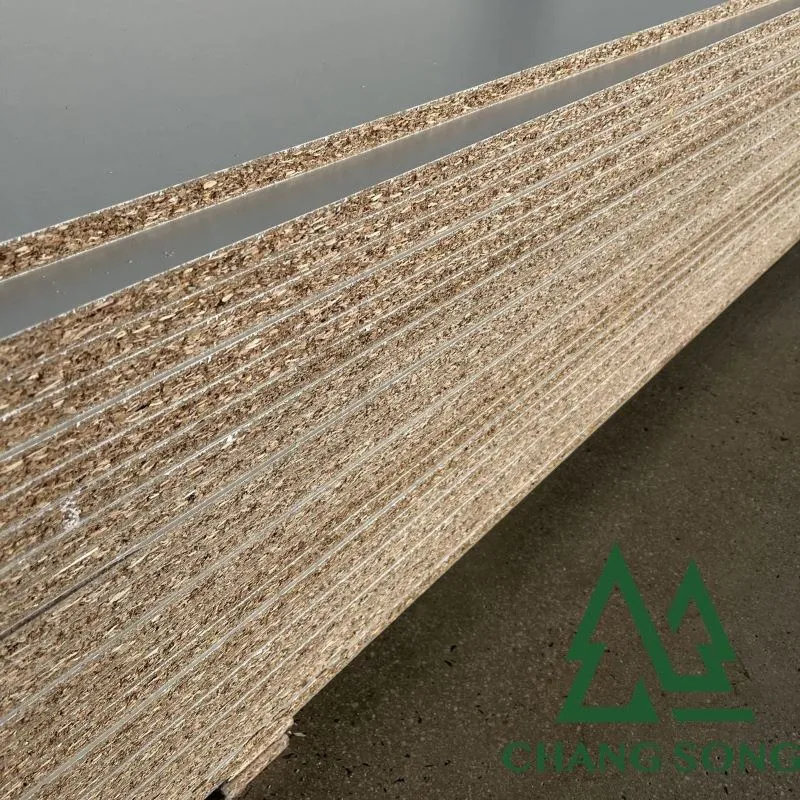

Liquid sealants, on the other hand, are a bit more time - consuming but can provide a more thorough seal. You'll need to brush or spray the sealant onto the edges and let it dry completely. Make sure to follow the manufacturer's instructions for the best results.
Use a Water - Resistant Finish
Applying a water - resistant finish to the surface of the chipboard can significantly reduce the risk of water damage. There are several types of finishes you can choose from:
- Polyurethane: This is a popular choice because it's durable and provides a good level of water resistance. You can apply it with a brush or a sprayer. Just make sure to sand the chipboard surface first to ensure good adhesion.
- Varnish: Varnish also offers protection against water and can give the chipboard a nice, shiny finish. It comes in different sheens, so you can choose the one that suits your aesthetic preferences.
- Paint: A good quality water - based paint can act as a barrier against water. It's a great option if you want to add a pop of color to your chipboard at the same time.
Proper Installation
How you install the chipboard can also affect its resistance to water. Here are some installation tips:
- Leave Expansion Gaps: When installing chipboard in areas where there might be temperature and humidity changes, leave some expansion gaps. This allows the chipboard to expand and contract without warping.
- Use a Vapor Barrier: If you're installing chipboard in a basement or other damp area, consider using a vapor barrier. This is a plastic sheet that goes between the subfloor and the chipboard, preventing moisture from rising up into the board.
- Ensure Good Ventilation: Proper ventilation helps to keep the air dry around the chipboard. In areas like bathrooms and kitchens, make sure there are exhaust fans to remove moisture from the air.
Maintenance
Regular maintenance is key to preventing water damage in the long run. Here's what you can do:
- Wipe Up Spills Immediately: If there's a spill on the chipboard, don't let it sit. Wipe it up right away with a dry cloth. Even a small amount of water left for too long can cause damage.
- Inspect Regularly: Check the chipboard periodically for any signs of water damage, such as swelling or discoloration. If you catch the problem early, you can take steps to prevent it from getting worse.
- Re - seal and Re - finish as Needed: Over time, the sealant and finish on the chipboard may wear off. Re - apply them as necessary to maintain the water - resistant properties.
Storage
How you store your chipboard also matters. Keep it in a dry place, away from direct contact with the ground. You can stack it on pallets to keep it off the floor and prevent moisture from seeping in from below. Also, cover it with a tarp or plastic sheet to protect it from rain or snow if it's stored outdoors.
Conclusion
Preventing water damage to chipboard is all about taking the right precautions from the start. By choosing the right type of chipboard, sealing the edges, using a water - resistant finish, installing it properly, and maintaining it regularly, you can ensure that your chipboard stays in great condition for a long time.
If you're interested in purchasing high - quality chipboard for your projects, feel free to reach out to us. We're here to help you find the perfect chipboard for your needs and provide you with all the information you need to prevent water damage.
References
- Wood Products Handbook: A Guide to the Properties, Specifications, and Applications of Wood and Wood - Based Materials.
- Chipboard Manufacturing and Usage Best Practices Manual.