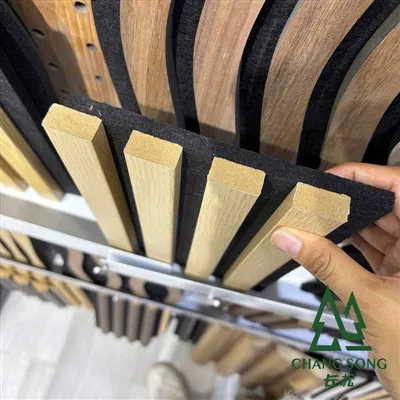
Hey there! I'm a supplier of flexible plywood, and I've seen my fair share of damaged boards over the years. Whether it's a small scratch or a major break, knowing how to repair damaged flexible plywood can save you time and money. In this blog post, I'll walk you through the steps to repair different types of damage to your flexible plywood.


Assessing the Damage
The first step in repairing damaged flexible plywood is to assess the extent of the damage. Is it a surface scratch, a small crack, or a large break? The type of damage will determine the best repair method.
- Surface Scratches: These are the most common type of damage to flexible plywood. They can be caused by rough handling, moving furniture, or even pets. Surface scratches are usually superficial and can be easily repaired.
- Small Cracks: Cracks can occur due to bending the plywood too far or from impact. Small cracks that are less than 1/8 inch wide can often be repaired without too much hassle.
- Large Breaks: If the plywood has a large break or a split, it may require more extensive repair or even replacement. However, in some cases, it's still possible to repair a large break with the right techniques.
Repairing Surface Scratches
Surface scratches on flexible plywood can be repaired using a few simple steps. Here's what you'll need:
- Fine-grit sandpaper (220 - 320 grit)
- Wood filler that matches the color of your plywood
- Putty knife
- Sanding block
- Stain or finish to match the existing plywood
- Sand the Scratch: Start by sanding the scratched area with the fine-grit sandpaper. Use a sanding block to ensure an even surface. Sand gently in the direction of the wood grain until the scratch is less noticeable.
- Apply Wood Filler: Once the scratch is sanded, apply a small amount of wood filler to the scratch using a putty knife. Press the filler firmly into the scratch to ensure it fills the void completely. Smooth the surface of the filler with the putty knife.
- Let the Filler Dry: Allow the wood filler to dry according to the manufacturer's instructions. This usually takes a few hours.
- Sand the Filled Area: After the filler is dry, sand the filled area with the fine-grit sandpaper again. Sand until the filled area is smooth and flush with the surrounding plywood.
- Apply Stain or Finish: To match the repaired area with the rest of the plywood, apply a stain or finish that matches the existing color. Use a brush or a cloth to apply the stain or finish evenly. Let it dry completely.
Fixing Small Cracks
For small cracks in flexible plywood, you can use wood glue and clamps to repair them. Here's what you'll need:
- Wood glue
- Clamps
- Fine-grit sandpaper
- Stain or finish
- Clean the Crack: Use a clean cloth to remove any dust or debris from the crack. Make sure the crack is dry before proceeding.
- Apply Wood Glue: Apply a small amount of wood glue to both sides of the crack. Use a toothpick or a small brush to spread the glue evenly along the crack.
- Clamp the Crack: Press the two sides of the crack together and use clamps to hold them in place. Make sure the clamps are tight enough to keep the crack closed but not so tight that they damage the plywood.
- Let the Glue Dry: Allow the wood glue to dry according to the manufacturer's instructions. This usually takes a few hours.
- Remove the Clamps and Sand: Once the glue is dry, remove the clamps. Sand the repaired area with fine-grit sandpaper to smooth out any rough edges.
- Apply Stain or Finish: As with surface scratches, apply a stain or finish to match the repaired area with the rest of the plywood.
Repairing Large Breaks
Repairing large breaks in flexible plywood can be more challenging, but it's still possible. Here's what you'll need:
- Wood glue
- Clamps
- Plywood patch that matches the thickness and grain of the damaged plywood
- Screws
- Drill
- Fine-grit sandpaper
- Stain or finish
- Prepare the Break: Clean the broken edges of the plywood to remove any dirt or debris. If the break is uneven, you may need to trim the edges to make them straight.
- Apply Wood Glue: Apply a generous amount of wood glue to both the broken edges of the plywood and the edges of the plywood patch.
- Position the Patch: Place the plywood patch over the break and align it with the surrounding plywood. Press the patch firmly into place and use clamps to hold it in position.
- Secure the Patch with Screws: Use a drill to make pilot holes in the patch and the plywood. Then, insert screws through the patch and into the plywood to secure it further. Make sure the screws are countersunk so they don't protrude from the surface.
- Let the Glue Dry: Allow the wood glue to dry completely according to the manufacturer's instructions.
- Sand the Repaired Area: Once the glue is dry, sand the repaired area with fine-grit sandpaper to smooth it out. Sand in the direction of the wood grain.
- Apply Stain or Finish: Finish the repair by applying a stain or finish to match the repaired area with the rest of the plywood.
Tips for Preventing Damage
While knowing how to repair damaged flexible plywood is important, preventing damage in the first place is even better. Here are some tips to keep your flexible plywood in good condition:
- Handle with Care: When moving or installing flexible plywood, be gentle to avoid scratches and dents. Use padding or protective covers if necessary.
- Avoid Over-Bending: Flexible plywood has a limit to how much it can be bent. Make sure to follow the manufacturer's guidelines for bending to prevent cracks and breaks.
- Protect from Moisture: Moisture can cause the plywood to warp and delaminate. Keep the plywood dry and store it in a dry environment.
Where to Find Flexible Plywood
If you're in the market for flexible plywood, you can check out Bendy Plywood Home Depot or Flexible Plywood Home Depot. These websites offer a variety of flexible plywood options to suit your needs.
Contact for Purchase
If you're interested in purchasing flexible plywood or have any questions about our products, feel free to reach out to us. We're here to help you find the right flexible plywood for your project and can offer advice on installation and maintenance.
References
- Wood Repair Handbook by DIY Woodworking Guides
- Plywood Installation and Maintenance Manual by Plywood Manufacturers Association