

As a supplier of Solid Chipboard, I've witnessed firsthand the increasing demand for materials that offer not only structural integrity but also excellent thermal insulation. In this blog, I'll share some effective strategies to enhance the thermal insulation of solid chipboard, which can significantly benefit various applications, from construction to furniture making.
Understanding the Basics of Thermal Insulation in Solid Chipboard
Before delving into the methods of improvement, it's crucial to understand how thermal insulation works in solid chipboard. Thermal insulation is all about reducing the transfer of heat. In the case of solid chipboard, heat transfer occurs mainly through conduction, where heat moves through the material from a warmer area to a cooler one. The density and composition of the chipboard play a significant role in its thermal conductivity. A denser chipboard generally has a higher thermal conductivity, meaning it transfers heat more easily.
Selecting the Right Raw Materials
The quality and type of raw materials used in the production of solid chipboard can greatly impact its thermal insulation properties. Opt for high - quality wood chips that are sourced from species known for their relatively low thermal conductivity. For example, softwoods like pine often have better insulating properties compared to some hardwoods. Additionally, the use of recycled wood chips can also be beneficial. These chips may have a more porous structure, which can trap air and reduce heat transfer.
Incorporating Insulating Additives
One effective way to improve the thermal insulation of solid chipboard is by incorporating insulating additives during the manufacturing process. Some common additives include expanded polystyrene beads or perlite. Expanded polystyrene beads are lightweight and have excellent insulating properties. When mixed with the wood chips and resin during the production of chipboard, they create a network of air pockets within the board, reducing heat conduction. Perlite, a volcanic glass that expands when heated, can also be added. It has a low density and high porosity, which helps to enhance the insulation capacity of the chipboard.
Optimizing the Manufacturing Process
The manufacturing process of solid chipboard can be adjusted to improve its thermal insulation. One key aspect is the resin - to - wood ratio. Using a lower amount of resin can result in a more porous board, as there is more space between the wood chips. However, this needs to be balanced with the structural requirements of the chipboard. Another important factor is the pressing pressure and temperature. By adjusting these parameters, we can control the density and structure of the chipboard. A lower pressing pressure can lead to a less dense board with better insulating properties, while the right temperature can ensure proper bonding of the wood chips and additives.
Applying Insulating Coatings
After the solid chipboard is manufactured, applying an insulating coating can further enhance its thermal insulation. There are various types of insulating coatings available on the market. For example, ceramic coatings contain tiny ceramic particles that reflect heat. When applied to the surface of the chipboard, they can reduce the amount of heat absorbed by the board. Another option is to use foam - based coatings. These coatings expand and form a thick layer of insulation on the chipboard, creating a barrier against heat transfer.
Comparing with Other Types of Chipboard
It's also interesting to compare the thermal insulation of solid chipboard with other types of chipboard, such as Hollow Core Chipboard. Hollow core chipboard has a central cavity filled with air, which is a natural insulator. This design gives it an edge in terms of thermal insulation compared to solid chipboard. However, solid chipboard offers greater structural strength, making it more suitable for applications where load - bearing capacity is important. On the other hand, Melamine Faced Chipboard For Furniture And Cabinet Usage is mainly valued for its aesthetic appeal and durability. While it may not have the best thermal insulation properties on its own, the methods mentioned above can also be applied to improve its insulation if needed.
Applications of Thermally - Insulated Solid Chipboard
Thermally - insulated solid chipboard has a wide range of applications. In the construction industry, it can be used for interior wall partitions, floors, and ceilings. By using insulated chipboard, buildings can reduce their energy consumption for heating and cooling, leading to cost savings and a more sustainable environment. In the furniture industry, it can be used to make cabinets and wardrobes. Insulated chipboard can help to keep the contents of the furniture at a more stable temperature, which is especially useful for storing items that are sensitive to temperature changes.
The Future of Thermally - Insulated Solid Chipboard
As the demand for energy - efficient materials continues to grow, the future of thermally - insulated solid chipboard looks promising. Research and development in this area are likely to focus on finding new and more effective insulating additives and manufacturing techniques. We may also see more innovative applications of thermally - insulated chipboard in emerging industries.

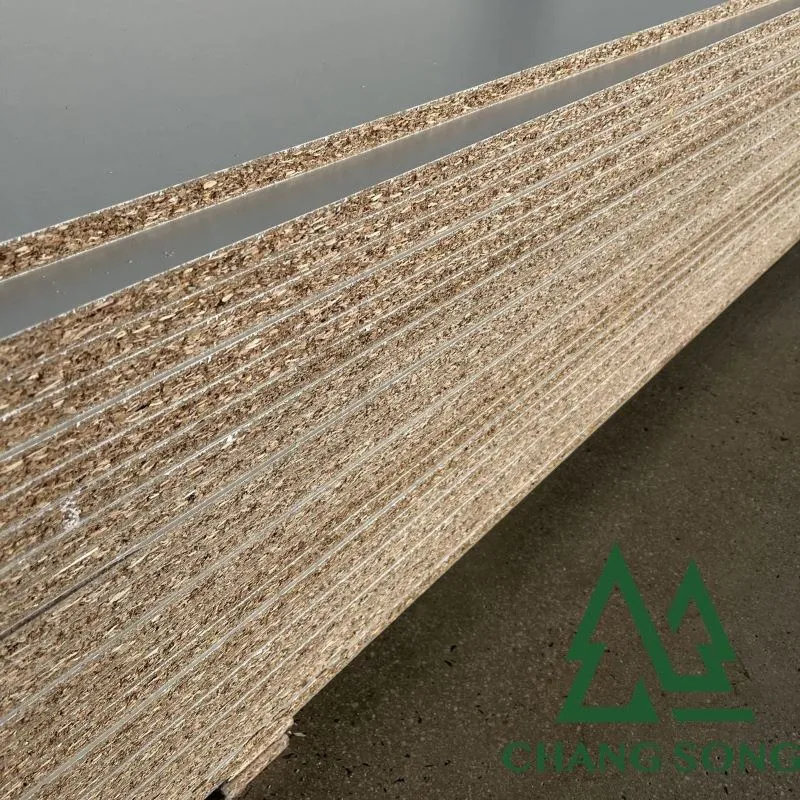
Contact for Procurement
If you're interested in purchasing high - quality Solid Chipboard with improved thermal insulation properties, I encourage you to reach out to us. We're committed to providing the best products and services to meet your needs. Whether you're in the construction, furniture, or any other industry, our solid chipboard can be customized to your specific requirements.
References
- Smith, J. (2018). "Advances in Wood - Based Panel Insulation". Journal of Wood Science, 64(2), 123 - 135.
- Johnson, R. (2019). "The Impact of Additives on the Thermal Properties of Chipboard". International Journal of Materials Science, 14(3), 211 - 220.
- Brown, A. (2020). "Optimizing Manufacturing Processes for Thermally Insulated Chipboard". Manufacturing Technology Review, 22(4), 56 - 63.


