

As a seasoned forklift supplier, I understand the critical role that proper lubrication plays in the performance and longevity of forklifts. In this blog post, I'll share comprehensive insights on how to lubricate a forklift effectively, ensuring its smooth operation and minimizing downtime.
Understanding the Importance of Forklift Lubrication
Forklifts are workhorses in warehouses, distribution centers, and industrial settings, performing a wide range of tasks daily. The moving parts of a forklift, such as the mast, chains, bearings, and hydraulic systems, are subject to constant friction and wear. Lubrication is essential for reducing friction between these parts, preventing premature wear and tear, and extending the lifespan of the forklift.
Proper lubrication also helps to:
- Improve efficiency: Reduced friction means less energy is wasted, allowing the forklift to operate more efficiently and consume less fuel.
- Lower maintenance costs: By preventing wear and tear, lubrication reduces the need for frequent repairs and component replacements, saving you money in the long run.
- Enhance safety: Well-lubricated forklifts are less likely to experience sudden breakdowns or malfunctions, reducing the risk of accidents in the workplace.
Types of Lubricants for Forklifts
There are several types of lubricants available for forklifts, each designed for specific applications and operating conditions. Some common types of lubricants include:
- Engine oil: Used to lubricate the internal components of the forklift's engine, such as the pistons, cylinders, and crankshaft. It helps to reduce friction, prevent corrosion, and dissipate heat.
- Hydraulic fluid: Essential for the proper functioning of the forklift's hydraulic system, which controls the lifting, lowering, and tilting of the mast. Hydraulic fluid transfers power within the system and lubricates the hydraulic pump, valves, and cylinders.
- Grease: A thick, semi-solid lubricant that is used to lubricate moving parts such as bearings, joints, and bushings. Grease provides long-lasting lubrication and helps to seal out dirt and moisture.
- Chain lubricant: Specifically formulated for lubricating the forklift's chains, which are used to lift and lower the mast. Chain lubricant reduces friction between the chain links, prevents rust and corrosion, and extends the chain's lifespan.
Pre-Lubrication Checks
Before lubricating a forklift, it's important to perform a few pre-lubrication checks to ensure the safety and effectiveness of the process. Here are some steps to follow:
- Inspect the forklift: Check the forklift for any signs of damage or wear, such as leaks, loose parts, or worn-out components. Address any issues before proceeding with lubrication.
- Clean the lubrication points: Use a clean cloth or brush to remove dirt, debris, and old lubricant from the lubrication points. This will ensure that the new lubricant can penetrate the components and provide effective lubrication.
- Refer to the manufacturer's guidelines: Consult the forklift's operator's manual or maintenance guide for specific lubrication requirements, including the type of lubricant to use, the recommended lubrication intervals, and the proper lubrication techniques.
Lubricating Different Parts of a Forklift
Mast and Chains
The mast and chains are critical components of a forklift, responsible for lifting and lowering heavy loads. To lubricate the mast and chains:
- Select the appropriate chain lubricant: Choose a high-quality chain lubricant that is designed for use in forklift applications. Look for a lubricant that provides excellent adhesion, corrosion protection, and wear resistance.
- Apply the lubricant: Use a brush or spray gun to apply the lubricant evenly to the chains, making sure to cover all the links. Pay special attention to the areas where the chains come into contact with the sprockets and guides.
- Lubricate the mast guides: Apply a small amount of grease to the mast guides to reduce friction and prevent wear. Use a grease gun to inject the grease into the lubrication points.
Bearings and Bushings
Bearings and bushings are used in various parts of a forklift, such as the mast, steering system, and wheels. To lubricate the bearings and bushings:
- Identify the lubrication points: Refer to the forklift's maintenance guide to locate the lubrication points for the bearings and bushings. These points are usually marked with grease fittings or oil holes.
- Use the appropriate lubricant: Depending on the type of bearing or bushing, use either grease or oil for lubrication. Follow the manufacturer's recommendations for the type and amount of lubricant to use.
- Apply the lubricant: Use a grease gun or oil can to apply the lubricant to the lubrication points. Make sure to apply enough lubricant to fill the bearing or bushing cavity, but avoid over-lubrication, as this can cause seal damage and attract dirt and debris.
Hydraulic System
The hydraulic system is one of the most critical components of a forklift, responsible for powering the lifting, lowering, and tilting functions. To lubricate the hydraulic system:
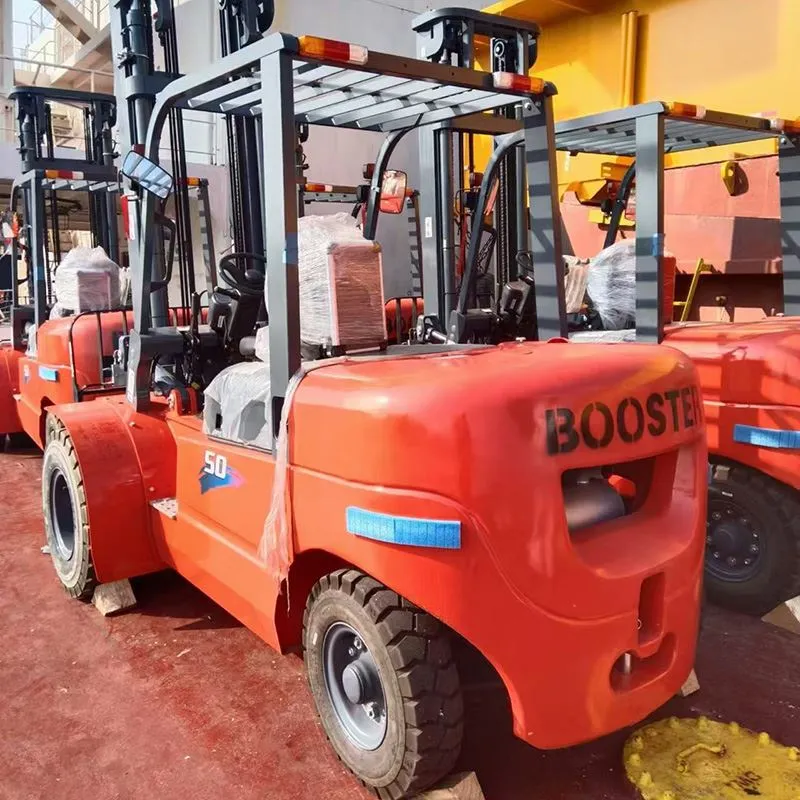

- Check the hydraulic fluid level: Use the dipstick or sight glass to check the hydraulic fluid level. The fluid level should be within the recommended range. If the level is low, add the appropriate type of hydraulic fluid.
- Inspect the hydraulic hoses and connections: Check the hydraulic hoses and connections for any signs of leaks, damage, or wear. Replace any damaged hoses or connections before proceeding with lubrication.
- Change the hydraulic fluid: Over time, the hydraulic fluid can become contaminated with dirt, debris, and moisture, which can affect the performance of the hydraulic system. Refer to the manufacturer's recommendations for the recommended fluid change interval, and change the hydraulic fluid accordingly.
Post-Lubrication Checks
After lubricating the forklift, it's important to perform a few post-lubrication checks to ensure that the lubrication process was successful. Here are some steps to follow:
- Check for leaks: Inspect the forklift for any signs of lubricant leaks, such as oil stains or puddles on the ground. If you notice any leaks, identify the source of the leak and address it immediately.
- Test the forklift: Start the forklift and perform a few test maneuvers to ensure that it is operating smoothly. Check the lifting, lowering, and tilting functions of the mast, as well as the steering and braking systems.
- Record the lubrication details: Keep a record of the lubrication process, including the date, type of lubricant used, and the lubrication points that were serviced. This will help you to track the maintenance history of the forklift and ensure that it is lubricated at the recommended intervals.
Conclusion
Proper lubrication is essential for the performance, reliability, and longevity of forklifts. By following the guidelines outlined in this blog post, you can ensure that your forklift is lubricated correctly and maintained in optimal condition. Remember to choose the appropriate lubricants, follow the manufacturer's recommendations, and perform regular pre-lubrication and post-lubrication checks.
If you're in the market for a new forklift or need to purchase lubricants and other maintenance supplies, Diesel Forklift and Refitted Forklift are great options to consider. Our team of experts is always available to provide you with personalized advice and support to help you choose the right products for your needs. Contact us today to discuss your procurement requirements and let's start a fruitful business partnership!
References
- Forklift Operator's Manuals
- Lubricant Manufacturer's Technical Documents
- Industry Standards and Best Practices for Forklift Maintenance


