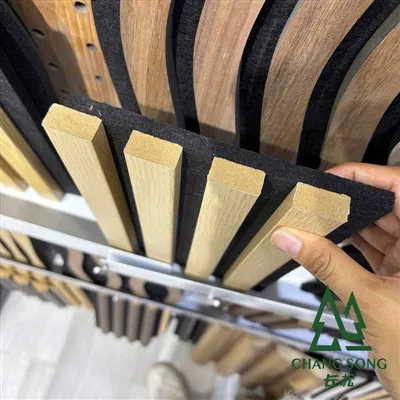
Hey there! As an MDF board supplier, I've seen my fair share of issues with MDF board ceiling panels sagging. It's a real bummer when you spend time and money on a ceiling installation, only to have it start drooping over time. But don't worry, I'm here to share some tips on how to prevent that from happening.
Understanding the Causes of Sagging
Before we jump into the prevention methods, let's take a quick look at what causes MDF board ceiling panels to sag in the first place. The main culprits are usually moisture, improper installation, and excessive weight.
Moisture is a big no - no for MDF. It's a composite material made from wood fibers and resin, and when it gets wet, it can absorb water, which causes it to swell and lose its structural integrity. This swelling can lead to sagging over time.


Improper installation is another common cause. If the panels aren't properly secured to the ceiling joists or if the spacing between the joists is too wide, the panels won't have enough support. This can result in sagging, especially as the panels age and are exposed to normal wear and tear.
Excessive weight can also put a strain on the panels. If you install heavy fixtures or decorations on the ceiling, the added weight can cause the panels to bend and sag.
Choosing the Right MDF Board
One of the first steps in preventing sagging is to choose the right type of MDF board. For ceiling applications, I highly recommend Moisture Resistant MDF Panelling. This type of MDF has been treated to resist moisture, which means it's less likely to swell and sag when exposed to humidity or minor water splashes.
The thickness of the MDF board also matters. A thicker board will generally be more rigid and less prone to sagging. For most ceiling applications, I suggest using MDF Board 18mm. This thickness provides a good balance between strength and manageability.
Proper Installation
Proper installation is crucial for preventing sagging. Here are some key points to keep in mind:
- Joist Spacing: Make sure the ceiling joists are properly spaced. For 18mm MDF boards, the joists should be no more than 400mm apart. This provides adequate support for the panels and helps prevent sagging.
- Fixing Method: Use the right fixing method to secure the panels to the joists. Screws are generally better than nails as they provide a stronger and more secure hold. Make sure to countersink the screws so they're flush with the surface of the panel.
- Expansion Gaps: Leave a small expansion gap around the perimeter of the ceiling. MDF can expand and contract with changes in temperature and humidity, and leaving a gap allows for this movement without causing the panels to buckle or sag.
Controlling Moisture
As I mentioned earlier, moisture is one of the main causes of sagging. Here are some ways to control moisture in your ceiling:
- Ventilation: Ensure proper ventilation in the room. This helps to reduce humidity levels and prevent moisture from building up on the ceiling. You can install exhaust fans in bathrooms and kitchens to remove steam and moisture.
- Sealing: Seal the edges and joints of the MDF panels with a good quality sealant. This helps to prevent moisture from seeping into the panels and causing damage.
- Avoid Water Exposure: Try to keep the ceiling dry. Avoid splashing water on the ceiling and fix any leaks in the roof or plumbing immediately.
Managing Weight
Another important factor in preventing sagging is managing the weight on the ceiling. Here are some tips:
- Light Fixtures: Choose light - weight fixtures for your ceiling. Heavy chandeliers or large fans can put a lot of strain on the panels and cause them to sag.
- Decorations: Be careful when hanging decorations on the ceiling. Use lightweight materials and make sure they're properly secured.
Regular Maintenance
Regular maintenance can also help prevent sagging. Here's what you can do:
- Inspect the Ceiling: Periodically inspect the ceiling for any signs of damage or sagging. Look for cracks, bulges, or water stains. If you notice any issues, address them as soon as possible.
- Clean the Ceiling: Keep the ceiling clean. Dust and dirt can accumulate on the surface, which can make the panels look dirty and may also contribute to moisture problems. Use a soft cloth or a vacuum cleaner with a brush attachment to clean the ceiling.
Conclusion
Preventing sagging of MDF board ceiling panels requires a combination of choosing the right materials, proper installation, moisture control, weight management, and regular maintenance. By following these tips, you can ensure that your MDF ceiling looks great and stays in good condition for years to come.
If you're in the market for high - quality MDF boards for your ceiling project, I'd love to help. We offer a wide range of MDF products, including Moisture Resistant MDF Panelling and MDF Board 18mm. Feel free to reach out to us to discuss your requirements and get a quote. Let's work together to make your ceiling project a success!
References
- Wood Products Handbook: Wood as an Engineering Material. United States Department of Agriculture, Forest Service, Forest Products Laboratory.
- Building Regulations Approved Document C: Site Preparation and Resistance to Contaminants and Moisture. UK Government.