

Sapeli faced plywood is a popular choice in the woodworking industry, known for its distinctive appearance and practicality. As a supplier of Sapeli faced plywood, I often get asked whether it is easy to work with. In this blog, I'll delve into this question, exploring the various aspects of working with Sapeli faced plywood, and comparing it with other similar products like Red Oak Veneer Plywood, Ev Poplar Faced Plywood, and Red Beech Faced Plywood.
Appearance and Aesthetic Appeal
Sapeli is a hardwood with a rich, red - brown color that deepens and becomes more attractive over time with exposure to light. This coloration gives Sapeli faced plywood a warm and inviting appearance, making it a favorite for furniture making, cabinetry, and interior design projects. The grain pattern of Sapeli is typically straight, but it can also have interlocked or wavy patterns, adding a unique visual interest.
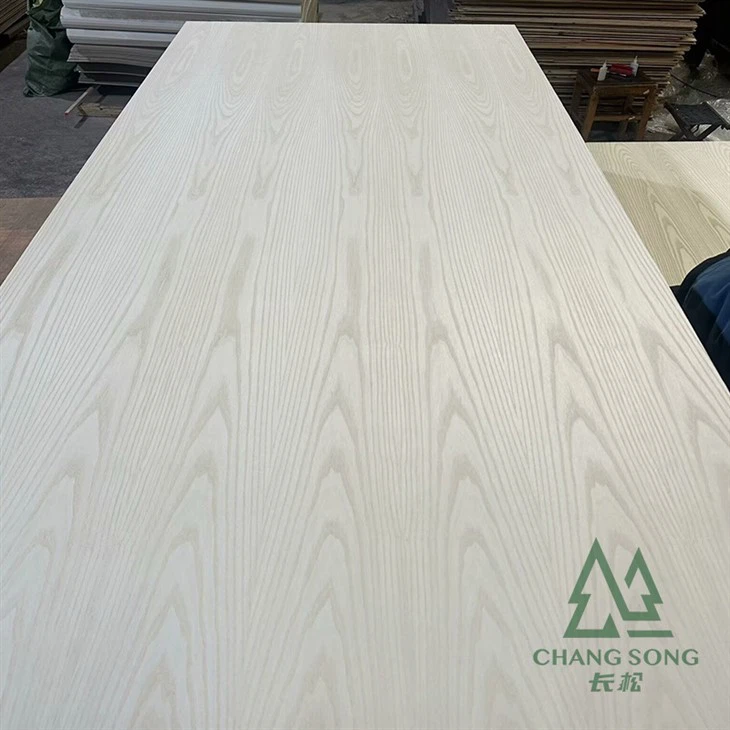
In comparison, Red Oak Veneer Plywood has a pale to reddish - brown color with a prominent grain pattern. It provides a more rustic and traditional look. Ev Poplar Faced Plywood, on the other hand, has a light, uniform color, offering a clean and modern aesthetic. Red Beech Faced Plywood has a pinkish - brown to red - brown color, presenting a smooth and delicate appearance. The aesthetic flexibility of Sapeli faced plywood allows it to be used in a wide range of design styles, from contemporary to classic.
Physical Properties
Sapeli has a medium density, which contributes to its workability. It is neither too soft like poplar nor too hard like some tropical hardwoods. This medium density makes it relatively easy to cut, shape, and sand. When cutting Sapeli faced plywood, standard woodworking tools such as circular saws, jigsaws, and band saws can be used effectively. However, it is recommended to use sharp blades to achieve clean cuts and reduce tear - out, especially on the face veneer.
The moisture resistance of Sapeli faced plywood is moderate. It can withstand normal indoor humidity levels, but it should be protected from prolonged exposure to water or high - moisture environments. Adequate finishing and sealing are crucial to enhance its moisture resistance. This is different from Ev Poplar Faced Plywood, which has relatively good moisture - resistance due to the properties of poplar wood, making it suitable for some applications with slightly higher humidity.
Machinability
One of the key advantages of Sapeli faced plywood is its excellent machinability. It can be routed, drilled, and mortised with ease. When routing, the wood takes on detailed profiles cleanly, and the edges remain smooth. This makes it ideal for creating intricate designs on cabinet doors, moldings, and decorative elements. Drilling holes in Sapeli faced plywood is straightforward, and the wood does not splinter easily, ensuring that the holes are clean and well - defined.
However, when working with the interlocked or wavy grain on some Sapeli pieces, special care is needed. In such cases, slower feed rates may be required to prevent tear - out during cutting and shaping operations. This is in contrast to Red Beech Faced Plywood, which generally has a more uniform grain and is less likely to cause tear - out during machining, even with more aggressive cutting techniques.
Gluing and Joining
Sapeli faced plywood bonds well with most common wood glues, such as PVA (polyvinyl acetate) glue and epoxy. The medium - density wood provides a good surface for glue adhesion, and joints made with proper gluing techniques are strong and durable. When joining Sapeli faced plywood pieces, methods like butt joints, rabbet joints, and dovetail joints can be used effectively.
The joint strength of Sapeli faced plywood is comparable to that of Red Oak Veneer Plywood. Both woods can create robust joints that can withstand normal stress and use. However, compared to Ev Poplar Faced Plywood, the gluing process on Sapeli may require more attention to surface preparation due to its slightly rougher texture.
Finishing
Finishing Sapeli faced plywood can bring out its natural beauty. It accepts stains, paints, and clear coatings well. When staining, the rich color of Sapeli can be further enhanced, and different stain colors can be selected to match the desired aesthetic of the project. Clear finishes, such as polyurethane or lacquer, can be applied to protect the wood and give it a glossy or satin sheen.
To achieve a smooth finish, proper sanding is essential. Starting with a coarse grit sandpaper and gradually moving to a finer grit will help eliminate any rough spots on the surface. In comparison, Red Beech Faced Plywood often requires less sanding due to its natural smoothness, but Sapeli's unique grain and color can result in a more dramatic finished look.
Working Conditions
Working with Sapeli faced plywood is generally not overly demanding in terms of working conditions. It can be worked on both in a professional woodworking shop with industrial - grade equipment and in a home workshop with basic tools. However, proper ventilation is recommended, especially when sanding or using adhesives and finishes, to avoid inhaling dust and fumes.

Environmental Considerations
Sapeli is sourced from sustainably managed forests in many regions. As a responsible supplier, we ensure that our Sapeli faced plywood is obtained from legal and sustainable sources. This is an important aspect for customers who are environmentally conscious and want to use wood products that have a minimal impact on the environment. In comparison, the environmental sustainability of different sources may vary for Red Oak Veneer Plywood, Ev Poplar Faced Plywood, and Red Beech Faced Plywood, so it's important to check the sourcing details.
Cost - effectiveness
Sapeli faced plywood offers a good balance between cost and quality. It is generally more affordable than some high - end hardwood plywoods, while still providing the aesthetic appeal and workability of a hardwood. This makes it a cost - effective choice for a wide range of projects, from small hobbyist works to large - scale commercial applications.
Conclusion
In conclusion, Sapeli faced plywood is relatively easy to work with. Its medium density, excellent machinability, good gluing properties, and ability to take finishes well make it a versatile material for woodworking projects. While it does require some precautions, such as using sharp tools and proper surface preparation, the end results can be highly rewarding.
If you're considering using Sapeli faced plywood for your next project or are interested in other products like Red Oak Veneer Plywood, Ev Poplar Faced Plywood, or Red Beech Faced Plywood, feel free to contact us for more information and to discuss your specific requirements. We'd be happy to provide you with samples, pricing, and technical support to ensure you make the best choice for your project.
References
- Wood Handbook: Wood as an Engineering Material. United States Department of Agriculture, Forest Service, 2010.
- Understanding Wood: A Comprehensive Guide for Woodworkers. R. Bruce Hoadley, The Taunton Press, 2000.


