

Hey there, theater enthusiasts and acoustic buffs! I'm a supplier of Slotted Wall MDF, and today I'm stoked to chat about the awesome acoustic advantages of using our slotted wall MDF in theaters.
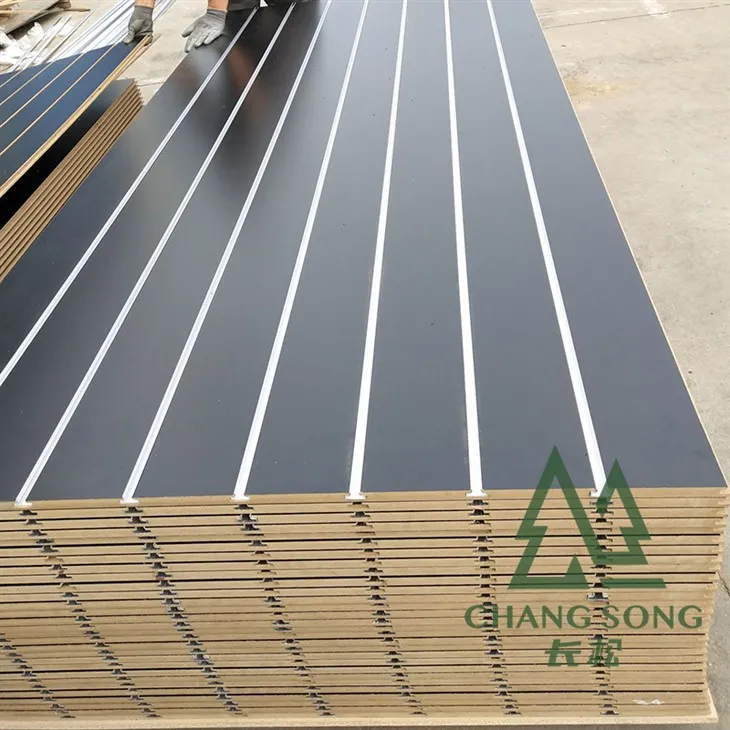
Let's start with the basics. What exactly is slotted wall MDF? Well, MDF stands for Medium - Density Fiberboard. It's made by breaking down hardwood or softwood residuals into wood fibers, combining them with wax and a resin binder, and then forming panels under high temperature and pressure. Slotted wall MDF, as the name suggests, has carefully engineered slots on its surface. You can check out more about it here: Slotted Wall MDF.
Sound Absorption
One of the most significant acoustic advantages of using slotted wall MDF in a theater is its excellent sound absorption capabilities. In a theater, sound quality is everything. You don't want echoes or reverberations that can muddle the dialogue, music, or sound effects.
When sound waves hit the slotted wall MDF, they enter the slots. Inside the slots, the sound energy is converted into heat energy through a process called visco - thermal dissipation. This is because the sound waves cause the air molecules inside the slots to vibrate, and the friction between these molecules generates heat. As a result, the sound waves lose energy and are effectively absorbed.
Compared to regular MDF or other wall materials, slotted wall MDF can absorb a wider range of frequencies. For example, in the mid - frequency range (around 500 Hz - 2000 Hz), which is crucial for clear speech intelligibility, slotted wall MDF can achieve absorption coefficients of up to 0.8 or even higher. That means it can absorb 80% or more of the sound energy in this frequency range.
Diffusion
Another great thing about slotted wall MDF is its ability to diffuse sound. Diffusion is important in a theater because it helps to create a more even sound field. Without proper diffusion, there can be areas in the theater where the sound is too loud or too soft.
The slots on the slotted wall MDF act as diffusers. When sound waves hit the slotted surface, they are scattered in different directions. This scattering helps to break up the sound waves and distribute them more evenly throughout the theater.
For instance, if you have a large, flat wall in a theater, sound waves will bounce off it in a very predictable way, creating hotspots and dead spots. But with slotted wall MDF, the sound waves are diffused, and the audience can enjoy a more consistent sound experience no matter where they are sitting in the theater.
Resonance Control
Resonance can be a real problem in a theater. When certain frequencies resonate within the theater space, it can create a "booming" or "humming" sound that can be very annoying and can also distort the overall sound quality.
Slotted wall MDF helps to control resonance. The slots on the MDF act as tuned absorbers. They can be designed to target specific frequencies that are likely to cause resonance in the theater.
By adjusting the depth, width, and spacing of the slots, we can fine - tune the slotted wall MDF to absorb the frequencies that are causing resonance. This way, we can eliminate those unwanted booming or humming sounds and ensure a cleaner, more balanced sound in the theater.
Aesthetic and Practical Considerations
Apart from the acoustic benefits, slotted wall MDF also has some aesthetic and practical advantages. From an aesthetic point of view, the slotted design can add a modern and stylish look to the theater. It can be customized in different slot patterns and sizes to match the overall design theme of the theater.
In terms of practicality, slotted wall MDF is relatively easy to install. It can be cut, shaped, and attached to the walls just like regular MDF. And it's also durable. It can withstand the wear and tear of a busy theater environment, including accidental bumps and scratches.
Comparison with Other Materials
Let's compare slotted wall MDF with some other common materials used in theaters.
Drywall: Drywall is a popular choice for building walls in theaters. However, its sound absorption capabilities are quite limited. It mainly reflects sound waves, which can lead to echoes and reverberations. Slotted wall MDF, on the other hand, is designed to absorb and diffuse sound, providing a much better acoustic environment.
Acoustic Foam: Acoustic foam is known for its good sound absorption. But it has some drawbacks. It's not very durable and can easily get damaged. Also, it may not be as aesthetically pleasing as slotted wall MDF. Slotted wall MDF offers a more long - lasting and visually appealing solution.
Different Applications in Theaters
Slotted wall MDF can be used in different parts of a theater.
Side Walls: Installing slotted wall MDF on the side walls can help to control the lateral reflections of sound. This is important for creating a more immersive sound experience. The side walls are often the first place where sound waves bounce off after leaving the stage, and by using slotted wall MDF, we can absorb and diffuse these reflections.
Rear Walls: The rear walls of a theater can cause long - delay reflections that can be very disruptive to the sound quality. Slotted wall MDF on the rear walls can help to reduce these reflections and improve the overall clarity of the sound.
Ceilings: Using slotted wall MDF on the ceilings can also contribute to better acoustics. It can help to control the vertical reflections of sound and create a more balanced sound field in the theater.
Other Types of MDF in Theaters
While slotted wall MDF is great for acoustics, there are other types of MDF that can also be used in theaters for different purposes.
Oak MDF Sheets are a great option if you want to add a touch of natural wood look to the theater. They can be used for decorative elements such as wall panels or stage backdrops. Oak MDF sheets have a beautiful grain pattern and can enhance the overall aesthetic of the theater.
Melamine Faced MDF is another useful material. It's very durable and easy to clean. It can be used for areas in the theater that are prone to dirt and stains, such as the lobby walls or the backstage storage areas.
Conclusion
In conclusion, slotted wall MDF offers a whole bunch of acoustic advantages for theaters. Its sound absorption, diffusion, and resonance control capabilities can significantly improve the sound quality in a theater, providing a better experience for the audience.
If you're in the process of building or renovating a theater and are looking for a high - quality acoustic solution, I highly recommend considering our slotted wall MDF. We can work with you to customize the slot design and dimensions to meet the specific acoustic requirements of your theater.

If you're interested in learning more or want to discuss a potential purchase, don't hesitate to reach out. Let's work together to create the perfect acoustic environment for your theater!
References
- Beranek, Leo L. "Acoustics." American Institute of Physics, 1986.
- Kuttruff, Heinrich. "Room Acoustics." Spon Press, 2009.


