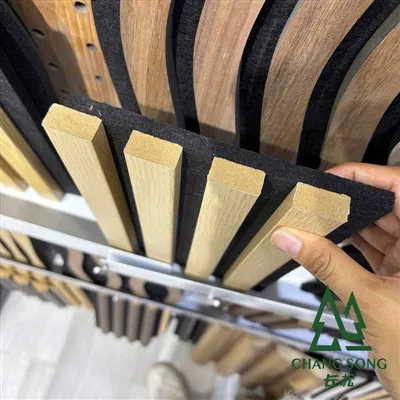
Hey there! As a supplier of MDF Acoustic Panel, I've got a lot of insights into the acoustic design principles when using these panels. So, let's dive right in and explore what you need to know.
Understanding the Basics of Acoustic Design
First off, it's important to understand why acoustic design matters. Whether you're setting up a home theater, a recording studio, or a commercial space like a restaurant or an office, good acoustics can make a huge difference. It can enhance the sound quality, reduce noise pollution, and create a more comfortable environment.
MDF acoustic panels are a popular choice for acoustic design. They're made from medium - density fiberboard, which is known for its density and uniformity. This makes them effective at absorbing sound waves and reducing echo.
Absorption Coefficient
One of the key principles in acoustic design when using MDF acoustic panels is understanding the absorption coefficient. The absorption coefficient measures how much sound a material can absorb at different frequencies. Different frequencies of sound behave differently, and you want to make sure your panels can handle a wide range of them.
For example, in a music studio, you'll have low - frequency bass sounds, mid - frequency vocals, and high - frequency cymbals. A good MDF acoustic panel should have a relatively high absorption coefficient across these frequency ranges. You can look for panels that come with absorption coefficient data provided by the manufacturer. This will give you an idea of how well the panels will perform in your specific space.
Placement of MDF Acoustic Panels
The placement of the MDF Acoustic Panel is crucial. You don't just want to randomly stick them on the walls. Here are some placement tips:
Wall Corners
Wall corners are great places to start. Sound waves tend to accumulate in corners, so placing panels here can help absorb a significant amount of sound energy. You can use triangular - shaped MDF acoustic panels in the corners to maximize the absorption.
Reflection Points
In a room, there are certain points where sound waves reflect off the walls and reach your ears. These are called reflection points. For example, in a home theater, the reflection points are usually on the side walls at ear level, in front of and behind the listening position. Placing MDF acoustic panels at these reflection points can reduce the amount of reflected sound, resulting in a clearer and more focused audio experience.
Ceiling
Don't forget about the ceiling! Sound can also reflect off the ceiling, especially in rooms with high ceilings. Installing MDF acoustic panels on the ceiling can help control the overall acoustics of the room. You can use a grid pattern or a more creative layout depending on the aesthetic of your space.
Panel Thickness and Density
The thickness and density of the MDF acoustic panel also play a role in its acoustic performance. Thicker panels generally have better low - frequency absorption. If you're dealing with a lot of bass sounds, like in a music production studio or a nightclub, you might want to consider thicker panels.
On the other hand, density affects how well the panel can absorb mid - and high - frequency sounds. A denser panel will be more effective at absorbing these frequencies. However, you also need to balance density with cost and weight. Higher - density panels can be more expensive and heavier, which might pose some installation challenges.
Aesthetic Considerations
Acoustic design doesn't just have to be about functionality. It can also enhance the look of your space. MDF Acoustic Panel comes in a variety of finishes and colors. You can choose panels that match the existing decor of your room or create a unique focal point.
For example, if you have a modern - style office, you might opt for sleek, black MDF acoustic panels. In a more traditional - looking restaurant, wooden - finish panels could be a great choice. Some panels also come with perforated designs, which not only look cool but can also improve the acoustic performance by allowing sound waves to penetrate the panel more easily.
Combining with Other Acoustic Materials
You don't have to rely solely on MDF acoustic panels for your acoustic design. You can combine them with other acoustic materials for better results. For example, you can use bass traps made from different materials in combination with MDF panels to enhance low - frequency absorption.
You can also use acoustic diffusers. While MDF panels are great at absorbing sound, diffusers scatter sound waves in different directions, which can create a more natural and spacious sound environment. Placing diffusers strategically in your room along with MDF acoustic panels can take your acoustic design to the next level.
Room Size and Shape
The size and shape of the room also influence the acoustic design. In a small room, you might need to be more strategic with the placement of MDF Acoustic Panel to avoid over - absorbing sound and making the room too dead. On the other hand, in a large room, you might need more panels to achieve the desired acoustic效果.
Irregularly shaped rooms can present unique challenges. Sound waves can bounce around in unpredictable ways in these rooms. In such cases, you might need to use a combination of different panel shapes and placements to control the acoustics effectively.
Installation
Proper installation of MDF acoustic panels is essential for their performance. Make sure the panels are installed securely on the wall or ceiling. If they're not installed correctly, there might be gaps between the panels, which can reduce their acoustic effectiveness.


Some panels come with adhesive backing for easy installation, while others might require screws or brackets. Follow the manufacturer's installation instructions carefully to ensure a proper fit.
Maintenance
MDF acoustic panels are relatively easy to maintain. You can simply dust them regularly with a soft cloth. If there are any stains, you can use a mild detergent and water to clean them. Just make sure not to soak the panels, as this can damage the MDF material.
Why Choose Our MDF Acoustic Panels
As a supplier of MDF Acoustic Panel, we take pride in offering high - quality panels. Our panels are made from top - grade MDF material, which ensures excellent acoustic performance. We offer a wide range of finishes and colors to suit your aesthetic needs.
We also provide detailed absorption coefficient data for our panels, so you can make an informed decision. And our team of experts is always available to help you with your acoustic design needs. Whether you're a DIY enthusiast or a professional contractor, we've got you covered.
Contact Us for Purchase and Consultation
If you're interested in our MDF Acoustic Panel or need more information about acoustic design, don't hesitate to get in touch. We're here to assist you with your project and help you create the perfect acoustic environment. Whether it's for a small home project or a large commercial installation, we can provide the right solutions for you. Let's work together to achieve the best acoustic results!
References
- Acoustics: Fundamentals and Applications, by Malcolm J. Crocker
- Architectural Acoustics, by Cyril M. Harris