Hey there! I'm a supplier of fancy plywood, and I get it – fancy plywood has its charm. It looks great, adds a touch of class to projects, and can be a real game - changer in the world of construction and woodworking. But let's be real, it's not all sunshine and rainbows. There are some downsides to using fancy plywood that you should know about before you make a purchase.
High Cost
One of the most obvious disadvantages of fancy plywood is the cost. Fancy plywood is made from high - quality veneers, which are often sourced from rare or premium wood species. For example, the Natural Teak Faced Plywood uses teak, a wood known for its durability and beautiful grain. Teak is expensive to harvest and process, and that cost is passed on to the consumer.
If you're working on a tight budget, fancy plywood can quickly blow your financial plan out of the water. A standard sheet of regular plywood might cost you a fraction of what a sheet of Red Beech Faced Plywood would. And if you're doing a large - scale project, the price difference can be substantial. You might find yourself having to cut back on other aspects of your project just to afford the fancy plywood.
Susceptibility to Damage
Fancy plywood might look tough on the outside, but it can be quite delicate. The veneers used on fancy plywood are thin, and they can easily get scratched, dented, or chipped. Even a small bump during transportation or installation can leave a mark on the surface, ruining the aesthetic appeal of the plywood.
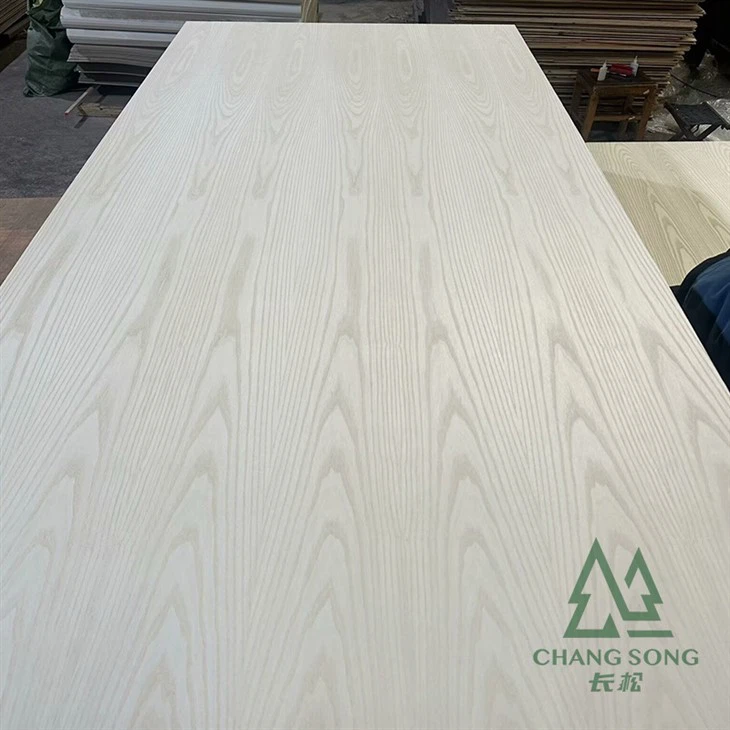
If you're using fancy plywood in a high - traffic area or a place where it's likely to be exposed to physical impact, you're taking a risk. For instance, if you use Natural Red Oak Faced Plywood 4x8 in a commercial space where there's a lot of foot traffic or equipment movement, it's only a matter of time before it starts to show signs of wear and tear. And once the veneer is damaged, it can be difficult and expensive to repair.
Limited Availability
Not all types of fancy plywood are readily available. Some wood species used for fancy plywood are rare, and they might only be harvested in certain regions of the world. This means that if you have your heart set on a particular type of fancy plywood, you might have to wait a long time for it to be in stock.
The limited availability can also lead to price fluctuations. When the supply of a certain type of fancy plywood is low, the price can skyrocket. This can be a real headache for contractors and DIYers who need to stick to a schedule and a budget. You might have to change your plans or look for alternative materials if your desired fancy plywood isn't available when you need it.
Maintenance Requirements
Fancy plywood requires more maintenance compared to regular plywood. The veneers need to be protected from moisture, sunlight, and other environmental factors. If the plywood is exposed to too much moisture, the veneer can start to warp, bubble, or delaminate from the core.
You'll need to apply special finishes and sealants to protect the surface of the fancy plywood. These treatments not only add to the cost but also require time and effort to apply. And even with proper maintenance, the plywood might still be susceptible to damage over time. You'll have to regularly check the surface for any signs of wear and tear and re - apply the protective coatings as needed.
Environmental Concerns
Many of the wood species used for fancy plywood are at risk of over - harvesting. As demand for fancy plywood increases, more and more trees are being cut down, which can have a negative impact on the environment. Deforestation can lead to soil erosion, loss of habitat for wildlife, and contribute to climate change.
Some suppliers might claim to use sustainable sourcing methods, but it can be difficult to verify these claims. As a consumer, you need to be extra cautious and do your research to make sure that the fancy plywood you're buying is coming from a sustainable source. Otherwise, you might be contributing to environmental problems without even realizing it.
Difficulty in Working with
Fancy plywood can be a bit of a challenge to work with, especially for inexperienced woodworkers. The thin veneers can make it tricky to cut, sand, and join the plywood without damaging the surface. You need to use the right tools and techniques to ensure a clean and professional finish.
For example, when cutting fancy plywood, you need to use a sharp blade to prevent the veneer from splintering. And when sanding, you have to be very careful not to sand through the veneer. Joining fancy plywood pieces together also requires more skill and precision compared to regular plywood. If you make a mistake during the installation process, it can be difficult to correct without ruining the plywood.
Inconsistent Quality
Even within the same batch of fancy plywood, you might find inconsistencies in quality. The color, grain pattern, and thickness of the veneers can vary from sheet to sheet. This can be a problem if you're looking for a uniform look for your project.
For instance, if you're using fancy plywood to create cabinets or a built - in bookshelf, you want all the pieces to match perfectly. But with the inconsistent quality of fancy plywood, you might end up with noticeable differences between the panels, which can detract from the overall appearance of your project.
Fire Resistance
Fancy plywood is generally not as fire - resistant as some other building materials. The wood veneers can catch fire easily, and once they start burning, they can spread the fire quickly. This can be a major safety concern, especially in commercial buildings or areas where there's a high risk of fire.
If you're using fancy plywood in a building, you might need to take additional fire - prevention measures, such as installing fire - resistant coatings or sprinkler systems. These measures not only add to the cost but also increase the complexity of the project.
Compatibility Issues
Fancy plywood might not be compatible with all types of adhesives, finishes, or other building materials. Some adhesives might not bond well with the veneer, leading to delamination or other problems. And certain finishes might react with the wood, causing discoloration or other aesthetic issues.
Before using fancy plywood in your project, you need to test the compatibility of the plywood with the other materials you plan to use. This can be time - consuming and might require some trial and error. If you don't do the compatibility testing properly, you could end up with a project that looks great at first but starts to fall apart over time.
Despite all these disadvantages, fancy plywood still has its place in the world of construction and woodworking. It can add a unique and luxurious touch to your projects if used correctly. If you're considering using fancy plywood for your next project, I'd be more than happy to discuss your options and help you make an informed decision. Whether you're a contractor, a DIY enthusiast, or a designer, I can provide you with the information you need to choose the right type of fancy plywood for your specific needs. So, don't hesitate to reach out and start a conversation about your procurement requirements.

References
- Wood Handbook: Wood as an Engineering Material. Forest Products Laboratory.
- Plywood Manufacturing and Technology. Various industry publications.