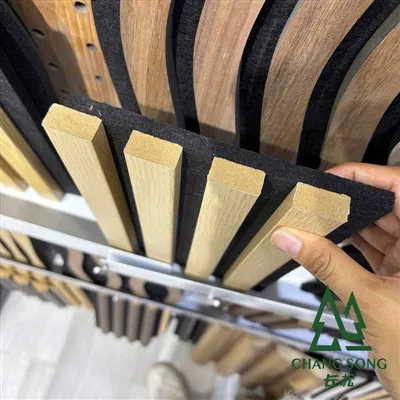
Hey there! I'm a supplier of MDF acoustic panels, and I'm stoked to chat with you about the environmental standards for these awesome products. MDF acoustic panels are super popular in the market because they're great at reducing noise and can really spruce up the look of any space. But when it comes to the environment, there are some key standards we need to keep in mind.
First off, let's talk about what MDF actually is. MDF stands for Medium - Density Fiberboard. It's made by breaking down hardwood or softwood residuals into wood fibers, combining them with wax and a resin binder, and then applying high temperature and pressure. Now, the environmental concerns with MDF mainly revolve around the resin binder and how the wood is sourced.
Wood Sourcing Standards
One of the most important aspects of the environmental standard for MDF acoustic panels is the source of the wood. Sustainable forestry practices are a must - have. We want to make sure that the trees used to make the MDF are coming from forests that are managed in a way that ensures their long - term health and productivity.
Certifications like the Forest Stewardship Council (FSC) are a big deal. FSC - certified wood means that the forest where the wood was harvested meets strict environmental, social, and economic standards. When I'm sourcing the wood for my MDF Acoustic Panel, I always look for FSC - certified options. This gives my customers peace of mind knowing that the panels they're buying are made from wood that's been responsibly sourced.
Another thing to consider is the use of recycled wood. Some manufacturers are starting to incorporate recycled wood fibers into their MDF production. This is a great way to reduce the demand for virgin wood and minimize waste. When recycled wood is used, it's important to make sure that the recycling process is also environmentally friendly and that the recycled fibers meet the quality standards required for making acoustic panels.
Resin and Emission Standards
The resin used in MDF production is another area where environmental standards come into play. Most traditional MDF is made with urea - formaldehyde resin, which can release formaldehyde gas over time. Formaldehyde is a known human carcinogen, and high levels of formaldehyde emissions can be harmful to human health, especially in enclosed spaces.
That's why there are strict standards for formaldehyde emissions in MDF products. In the United States, the California Air Resources Board (CARB) has set some of the toughest formaldehyde emission standards in the world. CARB Phase 2 standards require that MDF products have very low levels of formaldehyde emissions. In Europe, the European Union's E1 standard also limits formaldehyde emissions from wood - based panels.
As a supplier, I make sure that all my MDF Acoustic Panel meet or exceed these formaldehyde emission standards. I work with manufacturers who use low - formaldehyde or formaldehyde - free resins in their production process. This not only makes my products safer for the environment but also for the people who use them.
There are also other types of resins that are being developed, such as phenol - formaldehyde resin and soy - based resins. These resins have lower formaldehyde emissions or are completely formaldehyde - free. They may be a bit more expensive, but the benefits for the environment and human health are definitely worth it.
Energy and Manufacturing Process
The manufacturing process of MDF acoustic panels also has an impact on the environment. Energy consumption is a major factor. Manufacturers that use energy - efficient equipment and processes can significantly reduce their carbon footprint.
For example, some factories are starting to use renewable energy sources like solar or wind power to run their production lines. This not only reduces the amount of greenhouse gas emissions but also makes the manufacturing process more sustainable in the long run.
In addition, waste management during the manufacturing process is crucial. Any leftover wood fibers, resin, or other materials should be properly recycled or disposed of in an environmentally friendly way. Some manufacturers are even finding ways to reuse the waste materials in other products or processes, which is a great way to minimize waste and save resources.
Product Durability and Lifecycle
The durability of MDF acoustic panels is also an important part of their environmental impact. A more durable panel will last longer, which means less frequent replacement and less waste going to landfills.
When I'm choosing the materials and manufacturing processes for my MDF Acoustic Panel, I focus on making them as durable as possible. This includes using high - quality wood fibers, strong resins, and proper finishing techniques. A well - made acoustic panel can last for many years, providing long - term acoustic benefits to the users.
The lifecycle of the product also includes its end - of - life disposal. MDF acoustic panels should be designed in a way that makes them easy to recycle or repurpose at the end of their useful life. Some panels can be broken down into their component parts and the wood fibers can be reused in new MDF production.
Why These Standards Matter to You
As a customer, you might be wondering why all these environmental standards matter. Well, for starters, using environmentally friendly MDF Acoustic Panel can improve the indoor air quality of your space. Low - formaldehyde emissions mean that you and your family or colleagues won't be breathing in harmful chemicals.
Secondly, by choosing products that meet sustainable forestry and manufacturing standards, you're contributing to the protection of our forests and the environment. You're sending a message to the market that you care about the planet and want to support businesses that are doing the right thing.


Finally, from a long - term perspective, durable and sustainable products can save you money. You won't have to replace your acoustic panels as often, and you'll be less likely to have to deal with health issues related to poor indoor air quality.
Conclusion
In conclusion, the environmental standards for MDF acoustic panels cover a wide range of areas, from wood sourcing and resin emissions to energy consumption and product lifecycle. As a supplier, I'm committed to providing my customers with high - quality MDF Acoustic Panel that meet or exceed these environmental standards.
If you're in the market for acoustic panels for your home, office, or any other space, I'd love to have a chat with you. Whether you're interested in Acoustic Panel Wall or just want to learn more about our MDF acoustic panels, feel free to reach out. We can discuss your specific needs and find the perfect solution for you. Let's work together to create a more sustainable and comfortable environment!
References
- Forest Stewardship Council (FSC) official website
- California Air Resources Board (CARB) regulations
- European Union's E1 standard documentation