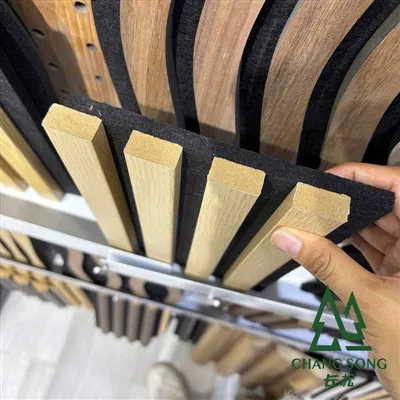
As a supplier of Solid Chipboard, I often encounter inquiries from customers regarding the most suitable edge banding materials for this type of board. Solid Chipboard, a versatile and cost - effective material, is widely used in furniture manufacturing, interior decoration, and construction. The choice of edge banding materials not only affects the aesthetic appeal of the final product but also its durability and functionality. In this blog, I will explore several edge banding materials that are well - suited for Solid Chipboard.
PVC Edge Banding
PVC (Polyvinyl Chloride) edge banding is one of the most popular choices for Solid Chipboard. It is known for its wide range of colors and patterns, which can mimic the look of natural wood, marble, or other materials. This allows manufacturers to create products with a high - end appearance at a relatively low cost.
One of the main advantages of PVC edge banding is its flexibility. It can be easily bent and shaped to fit the edges of curved or irregularly shaped Solid Chipboard pieces. This makes it an ideal choice for furniture with unique designs. Additionally, PVC edge banding is resistant to moisture, scratches, and chemicals, which helps to protect the edges of the chipboard from damage.
However, PVC edge banding also has some drawbacks. It may not have the same level of durability as some other materials, especially in high - traffic areas. Over time, it can start to peel or fade, especially if it is exposed to direct sunlight or extreme temperatures. But for most indoor applications, PVC edge banding provides a good balance between cost and performance. Learn more about Solid Chipboard
ABS Edge Banding
ABS (Acrylonitrile Butadiene Styrene) edge banding is another excellent option for Solid Chipboard. It offers a higher level of durability compared to PVC. ABS is a thermoplastic polymer that is known for its strength, impact resistance, and heat resistance.
ABS edge banding has a smooth and glossy surface, which gives it a modern and sophisticated look. It is also available in a variety of colors and finishes, allowing for greater design flexibility. Unlike PVC, ABS edge banding is less likely to warp or deform under normal conditions. This makes it a great choice for furniture that will be subject to frequent use or movement.
In terms of installation, ABS edge banding is relatively easy to work with. It can be glued to the edges of the Solid Chipboard using a suitable adhesive, and it bonds well to the surface, providing a strong and long - lasting seal. However, ABS edge banding is generally more expensive than PVC, which may be a consideration for budget - conscious projects.
Wood Veneer Edge Banding
For a more natural and luxurious look, wood veneer edge banding is an ideal choice for Solid Chipboard. Wood veneer is a thin layer of real wood that is sliced from a log and then applied to the edges of the chipboard. It offers the warmth and beauty of solid wood at a fraction of the cost.
There are many different types of wood species available for veneer edge banding, such as oak, maple, cherry, and walnut. Each species has its own unique grain pattern and color, allowing for a high degree of customization. Wood veneer edge banding can be stained or finished to match the color of the rest of the furniture or to create a contrasting effect.
One of the main benefits of wood veneer edge banding is its durability. When properly maintained, it can last for many years. It is also more environmentally friendly than some synthetic materials, as it is a natural product. However, wood veneer edge banding requires more care and maintenance compared to PVC or ABS. It can be damaged by moisture, scratches, and changes in humidity, so it is important to apply a protective finish and avoid exposing it to harsh conditions.
Melamine Edge Banding
Melamine edge banding is a popular choice for budget - friendly projects. It is made by impregnating paper with melamine resin and then pressing it onto a backing material. Melamine edge banding is available in a wide range of colors and patterns, including wood - grain finishes.


One of the advantages of melamine edge banding is its affordability. It is one of the most cost - effective options for edge banding Solid Chipboard. It is also relatively easy to clean and maintain, as it is resistant to stains and scratches. Melamine edge banding can be glued to the edges of the chipboard using a standard adhesive, and it provides a good seal to protect the edges.
However, melamine edge banding may not be as durable as some other materials. It can chip or peel over time, especially if it is exposed to rough handling or sharp objects. But for low - cost furniture or projects where appearance is more important than long - term durability, melamine edge banding can be a suitable choice.
Considerations When Choosing Edge Banding Materials
When selecting an edge banding material for Solid Chipboard, there are several factors to consider.
Cost: The cost of the edge banding material is an important consideration, especially for large - scale projects. PVC and melamine edge banding are generally the most affordable options, while wood veneer and ABS are more expensive.
Appearance: The appearance of the edge banding should match the overall design of the furniture or project. Wood veneer offers a natural and luxurious look, while PVC and ABS are available in a wide range of colors and patterns to suit different styles.
Durability: The durability of the edge banding is crucial, especially for furniture that will be subject to heavy use. ABS and wood veneer are more durable than PVC and melamine, but they also require more care and maintenance.
Installation: Some edge banding materials are easier to install than others. PVC and melamine edge banding can be installed using standard adhesives, while wood veneer may require more specialized techniques.
Conclusion
In conclusion, there are several edge banding materials that are suitable for Solid Chipboard, each with its own advantages and disadvantages. PVC edge banding is a cost - effective and flexible option, while ABS offers greater durability. Wood veneer provides a natural and luxurious look, and melamine is a budget - friendly choice. When choosing an edge banding material, it is important to consider factors such as cost, appearance, durability, and installation requirements.
As a Solid Chipboard supplier, I am committed to providing high - quality products and helping my customers make the right choices for their projects. If you are interested in purchasing Solid Chipboard or need more information about edge banding materials, please feel free to contact me for a procurement discussion. I look forward to working with you to create beautiful and functional products. Explore Hollow Core Chipboard
References
- "Handbook of Wood Chemistry and Wood Composites" by R. Rowell
- "Furniture Manufacturing and Design" by D. G. McCawley
- Industry reports on edge banding materials and Solid Chipboard usage