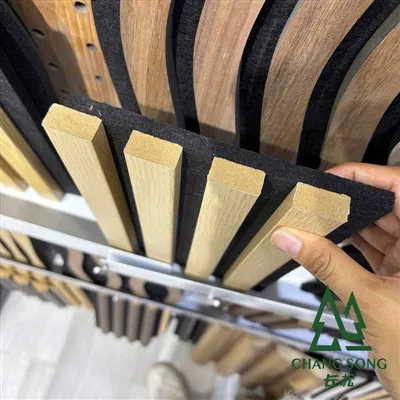
As a supplier of Solid Chipboard, I often get asked about the most suitable fasteners for this material. Solid Chipboard, known for its durability and strength, is a popular choice in various construction and furniture - making projects. In this blog, I'll discuss different types of fasteners that work well with Solid Chipboard, providing you with the knowledge to make informed decisions for your next project.
Understanding Solid Chipboard
Before delving into fasteners, it's essential to understand what Solid Chipboard is. Solid Chipboard is made by compressing wood chips and resin under high pressure and heat. This process creates a dense, uniform panel that offers excellent stability and load - bearing capacity. You can learn more about it on our website: Solid Chipboard.
Screws
Screws are one of the most commonly used fasteners for Solid Chipboard. They provide a strong and reliable connection, and there are several types to choose from.
Wood Screws
Wood screws are a classic choice for Solid Chipboard. They have a sharp point and coarse threads that can easily bite into the chipboard material. The coarse threads help to grip the wood chips and resin, providing a secure hold. When using wood screws, it's important to pre - drill holes slightly smaller than the screw diameter to prevent the chipboard from splitting. This is especially crucial when working near the edges of the board.
Chipboard Screws
Specifically designed for chipboard, these screws have a unique thread design that maximizes the holding power in the chipboard. They often have a self - tapping feature, which means you don't need to pre - drill holes in some cases. However, for larger or longer screws, pre - drilling is still recommended to ensure a proper fit and prevent damage to the board. Chipboard screws come in various lengths and head styles, such as Phillips or slotted, allowing you to choose the most suitable option for your project.
Machine Screws
Machine screws are used when you need a more precise and strong connection, often in combination with nuts or threaded inserts. They are typically made of metal and have fine threads. In Solid Chipboard, machine screws can be used in applications where you need to attach hardware, such as hinges or handles. To use machine screws, you'll need to insert threaded inserts into the chipboard first. These inserts provide a strong, threaded surface for the machine screws to engage with.
Nails
Nails are another option for fastening Solid Chipboard, although they are not as commonly used as screws due to the risk of splitting the board.
Brad Nails
Brad nails are thin, small nails that are less likely to split the chipboard compared to larger nails. They are often used for attaching trim, molding, or lightweight components to Solid Chipboard. Brad nails are typically installed using a brad nailer, which provides a quick and efficient way to secure the pieces together. However, because of their small size, brad nails may not provide as strong a hold as screws, especially in load - bearing applications.
Finish Nails
Finish nails are slightly larger than brad nails and are used for more substantial trim work or when a stronger hold is required. They have a small head that can be easily countersunk and filled, leaving a smooth finish. Similar to brad nails, finish nails are best installed using a nail gun. Pre - drilling is recommended to reduce the risk of splitting, especially when working near the edges of the chipboard.
Adhesives
Adhesives can be an effective way to fasten Solid Chipboard, either on their own or in combination with other fasteners.
Wood Glue
Wood glue is a popular choice for bonding Solid Chipboard pieces together. It creates a strong, permanent bond that can be as strong as the chipboard itself. When using wood glue, make sure the surfaces are clean and dry. Apply the glue evenly to both surfaces and clamp them together tightly until the glue dries. Wood glue takes some time to dry, so be patient and allow sufficient curing time for the best results.
Construction Adhesive
Construction adhesive is a more heavy - duty option that can be used for larger projects or when you need a stronger bond. It is designed to withstand greater stress and is often used in construction applications. Construction adhesive can be applied using a caulking gun, and it provides a flexible and durable bond. However, it may take longer to dry compared to wood glue, and proper ventilation is required during application.


Bolts and Washers
Bolts and washers are used in applications where you need a very strong, load - bearing connection.
Hex Bolts
Hex bolts are commonly used with washers and nuts to create a strong joint in Solid Chipboard. They are often used in structural applications, such as when building frames or cabinets. To use hex bolts, you'll need to drill holes through the chipboard and insert the bolts. Washers are placed on either side of the chipboard to distribute the load evenly and prevent the bolt from pulling through the board. Nuts are then tightened onto the bolts to secure the connection.
Special Considerations for Different Types of Chipboard
It's important to note that different types of chipboard may require different fasteners. For example, Melamine Faced Chipboard For Furniture And Cabinet Usage has a smooth, melamine surface. When using fasteners on this type of chipboard, you need to be careful not to damage the melamine layer. Pre - drilling holes and using the appropriate fasteners can help prevent scratching or chipping of the melamine.
On the other hand, Hollow Core Chipboard has a different internal structure. Fasteners used with hollow core chipboard need to be able to grip the outer layers effectively. Screws and nails may not work as well as in Solid Chipboard, and adhesives or specialized fasteners designed for hollow core materials may be more suitable.
Conclusion
Choosing the right fasteners for Solid Chipboard is crucial for the success of your project. Whether you're building furniture, cabinets, or working on a construction project, understanding the properties of different fasteners and how they interact with Solid Chipboard is essential. Screws are generally the most reliable option, but nails, adhesives, bolts, and washers can also be used depending on the specific requirements of your project.
If you're in the market for Solid Chipboard or have any questions about fasteners for your projects, I encourage you to reach out to us. We're here to provide you with the best products and advice to ensure your project is a success. Contact us to discuss your procurement needs and start a productive conversation.
References
- Woodworking magazines and books on construction materials and fasteners.
- Manufacturer's guidelines for Solid Chipboard and fasteners.