When it comes to acoustic treatment in various spaces, two commonly used solutions are acoustic panels and acoustic baffles. As a supplier of acoustic panels, I've had numerous clients inquire about the differences between these two products. In this blog, I'll delve into the distinct features, applications, and advantages of acoustic panels and acoustic baffles to help you make an informed decision for your acoustic needs.
1. Physical Characteristics
Acoustic Panels
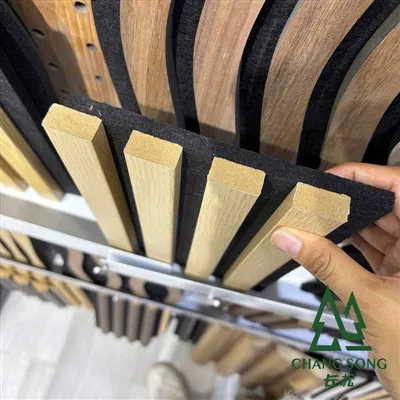
Acoustic panels are typically flat, rectangular structures. They are designed to be mounted directly on walls or ceilings. The panels come in a variety of sizes, with common dimensions ranging from small, decorative pieces that might be around 12 inches by 12 inches to larger industrial - sized panels that can be up to 4 feet by 8 feet.
The materials used in acoustic panels vary widely. One popular option is the MDF Acoustic Panel. Medium - density fiberboard (MDF) provides a stable base, and it can be combined with sound - absorbing materials such as fiberglass or mineral wool. These sound - absorbing cores are often encased in a fabric or perforated metal finish, which not only helps with sound absorption but also enhances the aesthetic appeal of the panel.
Acoustic Baffles
Acoustic baffles, on the other hand, have a more three - dimensional and often irregular shape. They are usually suspended from the ceiling using wires, chains, or other hanging mechanisms. Baffles can be rectangular, triangular, or even custom - shaped to fit specific design requirements.
The size of acoustic baffles can also vary significantly. Smaller baffles might be used in more intimate spaces and can be as small as a few inches in width and length, while larger ones for industrial or commercial settings can span several feet. The construction materials for baffles are similar to those of acoustic panels, including fiberglass, mineral wool, and other porous sound - absorbing substances. However, the outer covering might be different, with some baffles having a more open - weave fabric or a more exposed core for enhanced sound diffusion.
2. Sound Absorption Mechanisms
Acoustic Panels
Acoustic panels primarily work by absorbing sound waves that strike their surface. When sound waves hit the panel, they penetrate the porous material inside. The sound energy is then converted into heat energy through friction within the fibers of the sound - absorbing material. This reduces the amount of sound that is reflected back into the room, thereby reducing echo and reverberation.
The effectiveness of an acoustic panel is measured by its Noise Reduction Coefficient (NRC). An NRC value of 1.0 means that the panel absorbs 100% of the sound energy that hits it, while a value of 0.0 means that it reflects all the sound. High - quality acoustic panels can have an NRC of 0.8 or higher, which makes them very effective at reducing unwanted noise in a room.


Acoustic Baffles
Acoustic baffles also absorb sound, but they have an additional function of sound diffusion. In addition to the absorption process similar to acoustic panels, baffles scatter sound waves in different directions. When sound waves hit a baffle, they are not only absorbed but also redirected in various angles. This helps to break up large, coherent sound waves and create a more even distribution of sound in the room.
The combination of absorption and diffusion makes acoustic baffles particularly useful in spaces where a more natural - sounding acoustics is desired. For example, in concert halls or auditoriums, baffles can help to create a rich, full - bodied sound by diffusing the sound waves and preventing excessive buildup of sound in certain areas.
3. Applications
Acoustic Panels
Acoustic panels are highly versatile and can be used in a wide range of applications. In commercial settings, they are commonly used in offices to reduce noise distractions between workstations. By installing Acoustic Panel Wall in office spaces, employers can create a more productive and comfortable working environment.
In recording studios and home theaters, acoustic panels are essential for achieving high - quality sound. They can be placed on the walls and ceilings to control reflections and ensure that the sound being recorded or played back is clear and accurate.
Residential applications also benefit from acoustic panels. They can be used in living rooms, bedrooms, or home offices to reduce outside noise and improve the overall acoustics of the space.
Acoustic Baffles
Acoustic baffles are often preferred in large, open - ceiling spaces such as factories, warehouses, gymnasiums, and large - scale auditoriums. In industrial settings, the high ceilings and large open areas can cause excessive reverberation, which can be a safety hazard as well as a nuisance for workers. Baffles suspended from the ceiling can effectively reduce the reverberation time and improve the overall acoustic quality of the space.
In performance venues like concert halls and theaters, acoustic baffles are used to enhance the sound experience for the audience. They help to create a more immersive and natural - sounding environment by diffusing the sound waves and preventing dead spots or areas of excessive sound buildup.
4. Aesthetic Considerations
Acoustic Panels
One of the advantages of acoustic panels is their aesthetic flexibility. Since they are flat and can be mounted on walls, they can be easily integrated into existing interior designs. The fabric or perforated metal finishes come in a wide range of colors, patterns, and textures, allowing them to blend in with the decor or even serve as a decorative element. For example, in a modern - style office, sleek, black - framed acoustic panels can add a touch of sophistication while improving the acoustics.
Acoustic Baffles
Acoustic baffles can also contribute to the overall aesthetic of a space, but in a more dramatic and unique way. Their three - dimensional shape and suspended installation can create an interesting visual effect. In a contemporary art gallery or a trendy restaurant, custom - shaped and brightly colored acoustic baffles can become a focal point of the interior design, adding a sense of dynamism and creativity to the space.
5. Cost and Installation
Acoustic Panels
The cost of acoustic panels can vary depending on the size, material, and quality. Generally, smaller and less - dense panels are more affordable, while larger, high - performance panels with premium materials can be more expensive. Installation of acoustic panels is relatively straightforward. They can be attached to the wall using adhesives, screws, or mounting brackets. In most cases, a DIY installation is possible for small - scale projects, which can further reduce the overall cost.
Acoustic Baffles
Acoustic baffles tend to be more expensive than acoustic panels, especially when custom - shaped or made with high - end materials. The installation of baffles is also more complex and time - consuming. Since they need to be suspended from the ceiling, proper structural support and careful positioning are required. Professional installation is often recommended to ensure that the baffles are installed safely and correctly, which adds to the overall cost.
In conclusion, both acoustic panels and acoustic baffles have their unique advantages and are suitable for different acoustic needs and design preferences. If you are looking for a simple and cost - effective solution to reduce noise and improve acoustics in a small to medium - sized space, acoustic panels might be the right choice. On the other hand, if you need to address reverberation in a large, open - ceiling space or create a more natural - sounding environment with sound diffusion, acoustic baffles are likely to be more appropriate.
As an acoustic panel supplier, I am committed to providing high - quality products and professional advice to help you find the best acoustic solution for your project. Whether you need acoustic panels for a home studio or a large - scale commercial installation, I can offer a wide range of options to meet your specific requirements. If you are interested in learning more about our products or would like to discuss a potential project, please feel free to reach out for a consultation. Let's work together to create a space with optimal acoustics and a great aesthetic appeal.
References
- Beranek, Leo L. "Acoustics." American Institute of Physics, 1986.
- Cox, Trevor J., and Peter D'Antonio. "Acoustic Absorbers and Diffusers: Theory, Design and Application." Spon Press, 2004.