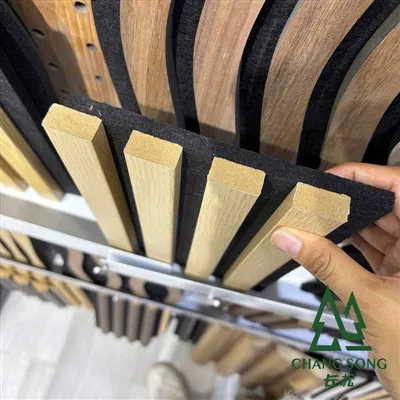
Hey there! As a supplier of Sapeli Faced Plywood, I often get asked about the difference between sapeli faced plywood and solid sapeli wood. It's a common question, and I'm here to break it down for you in plain English.
Appearance and Aesthetics
Let's start with how they look. Solid sapeli wood has this rich, warm color that can range from a light pinkish - brown to a deep, reddish - brown. It has a natural grain pattern that's unique to each piece of wood. The grain can be straight, interlocked, or even wavy, giving it a really distinct and organic look. When you run your hand over solid sapeli, you can feel the texture of the wood, and it just has this real, raw charm.
On the other hand, sapeli faced plywood has a thin layer of sapeli veneer on the surface. The veneer is sliced from high - quality sapeli logs and then glued onto a plywood core. This means that you still get the beautiful look of sapeli, but it's more consistent across the sheet. The plywood can be made to have a uniform appearance, which is great if you're going for a more modern or minimalist look. You don't have to worry about natural variations in color or grain that might be a bit too wild for some design schemes.
Durability and Strength
Now, let's talk about how tough these materials are. Solid sapeli wood is known for its strength. It's a hardwood, which means it's dense and can withstand a fair amount of wear and tear. It's resistant to dents and scratches to a certain degree, especially if it's properly finished. However, because it's a natural material, it can be affected by changes in humidity and temperature. In very dry conditions, it might shrink and crack, and in humid conditions, it could warp or swell.
Sapeli faced plywood, on the other hand, is more stable. The plywood core is usually made up of multiple layers of wood veneer that are glued together with the grains running in different directions. This cross - grain construction gives the plywood excellent strength and stability. It's less likely to warp or crack due to changes in the environment. The sapeli veneer on the surface also provides a certain level of protection, but it's important to note that the veneer is relatively thin, so it might be more prone to surface scratches compared to solid sapeli.
Cost
Cost is always a big factor when choosing between materials. Solid sapeli wood is generally more expensive. The process of harvesting, processing, and finishing solid wood is labor - intensive, and the quality and quantity of available sapeli logs also play a role in the price. Plus, if you want large, clear pieces of solid sapeli without knots or defects, you'll end up paying even more.
Sapeli faced plywood is more budget - friendly. Since it uses a thin veneer of sapeli on a plywood core, it requires less of the expensive sapeli wood. This makes it a great option if you're working on a project with a tight budget but still want the look of sapeli.
Workability
When it comes to working with these materials, both have their pros and cons. Solid sapeli wood is great for woodworking projects where you need to shape and carve. It can be cut, sanded, and stained easily. However, because it's a solid piece of wood, it can be heavy and difficult to handle, especially for large - scale projects. You also need to be careful when cutting it to avoid splintering, especially along the grain.
Sapeli faced plywood is much easier to handle. It's lighter in weight, which makes it more convenient to transport and install. It can be cut with standard woodworking tools, and because it's flat and stable, it's easier to work with on a large scale. However, when cutting the plywood, you need to be careful not to damage the thin sapeli veneer on the surface.


Applications
The applications for solid sapeli wood and sapeli faced plywood are quite different. Solid sapeli is often used for high - end furniture, like dining tables, chairs, and cabinets. It's also popular for interior trim work, such as door frames and baseboards, where its natural beauty can be showcased. In some cases, it's used for musical instruments because of its acoustic properties.
Sapeli faced plywood has a wide range of applications as well. It's commonly used in interior design projects, such as wall paneling, ceiling finishes, and built - in wardrobes. It's also a great choice for commercial spaces, like offices and retail stores, where you need a cost - effective yet attractive material. For example, if you're looking for a Black Walnut Faced Plywood 18mm alternative with a similar look and feel, sapeli faced plywood could be a great option. Another alternative is Ash Faced Plywood, but sapeli offers a warmer and more rich color.
Sustainability
Sustainability is an important consideration these days. Solid sapeli wood can be sustainable if it's sourced from well - managed forests. However, the demand for solid wood can sometimes lead to over - harvesting, which is bad for the environment.
Sapeli faced plywood can be a more sustainable option. Since it uses a thin veneer of sapeli on a plywood core, it requires less of the sapeli wood. This means that more trees can be saved, and the overall environmental impact is reduced. Additionally, many plywood manufacturers are now using sustainable forestry practices to source their wood, which is a great step forward.
Conclusion
So, there you have it! The main differences between sapeli faced plywood and solid sapeli wood come down to appearance, durability, cost, workability, applications, and sustainability. If you're looking for a natural, unique look and don't mind spending a bit more, solid sapeli wood might be the way to go. But if you're on a budget, need a more stable material, or are working on a large - scale project, sapeli faced plywood is a great choice.
If you're interested in using sapeli faced plywood for your next project, I'd love to talk to you. Whether you have questions about the product, need samples, or want to discuss pricing and delivery options, I'm here to help. Let's start a conversation and see how we can make your project a success!
References
- Woodworking magazines and online forums
- Industry reports on hardwood materials
- Interviews with woodworkers and designers