

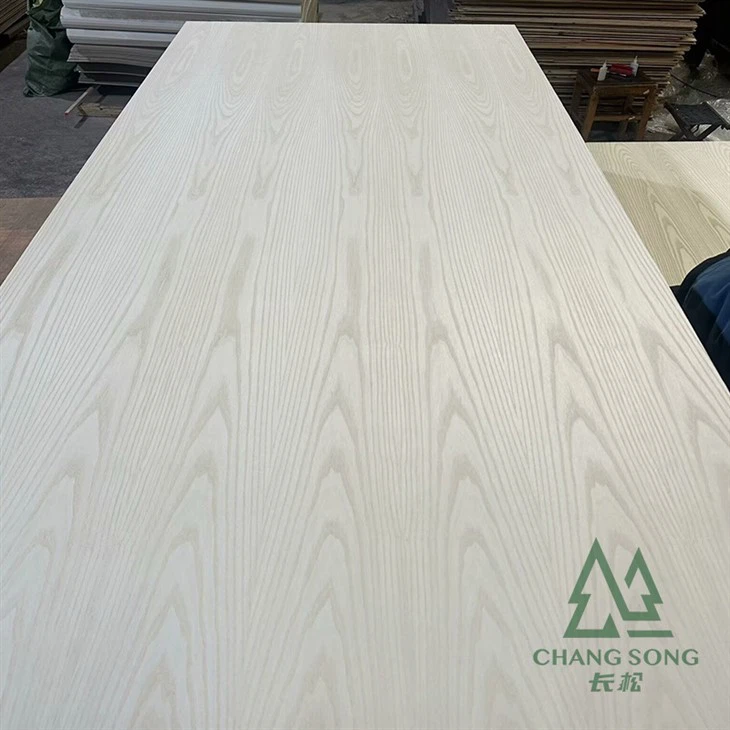
Hey there! I'm a supplier of Ash Faced Plywood, and today I want to chat about the environmental impact of producing this stuff. Ash Faced Plywood is a popular choice in the construction and woodworking industries. It's got a nice look and is pretty versatile, but like any product, it comes with its own set of environmental consequences.
Let's start with the raw material – ash wood. Ash trees are a natural resource, and when we cut them down to make plywood, it directly affects the forest ecosystem. Trees play a crucial role in our environment. They absorb carbon dioxide, a major greenhouse gas, and release oxygen. So, when we harvest ash trees, we're reducing the number of these carbon - sinks. This can contribute to an increase in the amount of carbon dioxide in the atmosphere, which is linked to global warming.
But it's not all doom and gloom. Sustainable forestry practices can help mitigate these impacts. For example, responsible logging companies follow guidelines that ensure they're not over - harvesting. They replant trees to replace the ones they've cut down. This way, the forest can regenerate, and the carbon - absorbing capacity can be maintained over time. However, not all producers follow these sustainable practices. Some may cut down more trees than they should, leading to deforestation. Deforestation not only affects the carbon cycle but also disrupts the habitats of many animals and plants. Many species rely on ash forests for food, shelter, and breeding grounds. When these forests are destroyed, these species are at risk of extinction.
Another aspect of the environmental impact is the energy used in the production process. Making Ash Faced Plywood involves several steps, such as cutting the logs, drying the wood, and gluing the layers together. All these steps require energy, usually in the form of electricity or fossil fuels. If the energy comes from non - renewable sources like coal or oil, it further contributes to greenhouse gas emissions. However, some manufacturers are starting to use renewable energy sources, like solar or hydroelectric power, to power their factories. This is a great step forward in reducing the carbon footprint of plywood production.
The use of adhesives in Ash Faced Plywood also has environmental implications. Most plywood is glued together using synthetic adhesives, which often contain formaldehyde. Formaldehyde is a volatile organic compound (VOC) that can be harmful to human health and the environment. When the plywood is installed in buildings, it can release formaldehyde into the air, causing indoor air pollution. Prolonged exposure to formaldehyde can lead to respiratory problems, eye irritation, and even cancer. To address this issue, some manufacturers are developing low - formaldehyde or formaldehyde - free adhesives. These adhesives are not only better for human health but also have a lower environmental impact.
Now, let's talk about the alternatives. There are other types of faced plywood available in the market, such as Natural Red Oak Faced Plywood 4x8 and Sapeli Faced Plywood. Each of these has its own environmental profile. For example, red oak is also a hardwood, and its harvesting can have similar impacts to ash. However, oak forests may have different ecological characteristics, and the management of oak forests can vary from region to region. Sapeli, on the other hand, is a tropical hardwood. The harvesting of tropical hardwoods often has a more severe environmental impact due to the high biodiversity of tropical forests and the potential for illegal logging.
As a supplier of Ash Faced Plywood, I'm aware of these environmental concerns. That's why I'm committed to working with producers who follow sustainable forestry practices and use eco - friendly production methods. We're constantly looking for ways to reduce the environmental impact of our products. For example, we're exploring the use of more sustainable adhesives and promoting the use of renewable energy in the production process.
If you're in the market for Ash Faced Plywood or any other type of faced plywood, it's important to consider the environmental impact. Look for products that are certified by organizations like the Forest Stewardship Council (FSC). FSC - certified products come from forests that are managed in an environmentally responsible way. By choosing these products, you're not only getting a high - quality product but also supporting sustainable forestry.
We're here to help you make an informed decision. Whether you're a contractor, a woodworker, or a DIY enthusiast, we can provide you with the information you need about our products and their environmental impact. If you're interested in learning more or want to discuss a potential purchase, don't hesitate to reach out. We're always happy to have a chat and work with you to find the best solution for your project.

In conclusion, the production of Ash Faced Plywood has both positive and negative environmental impacts. While there are challenges, such as deforestation, energy consumption, and the use of harmful adhesives, there are also solutions. By promoting sustainable forestry, using renewable energy, and developing eco - friendly adhesives, we can reduce the environmental footprint of plywood production. As a supplier, I'm dedicated to making a difference and providing my customers with products that are both high - quality and environmentally friendly. So, if you're looking for Ash Faced Plywood or any related products, get in touch, and let's work together towards a more sustainable future.
References
- Forest Stewardship Council. Principles and Criteria for Forest Stewardship.
- Environmental Protection Agency. Indoor Air Quality and Volatile Organic Compounds.
- United Nations Framework Convention on Climate Change. Climate Change and Deforestation.


