Hey there! As a chipboard supplier, I often get asked about the lifespan of chipboard. It's a pretty common question, and for good reason. After all, if you're investing in chipboard for your projects, you want to know how long it's going to last. So, let's dive into this topic and find out what affects the lifespan of chipboard and how you can make it last as long as possible.
What is Chipboard Anyway?
Before we talk about its lifespan, let's quickly go over what chipboard is. Chipboard, also known as particle board, is made from wood chips, sawmill shavings, or even sawdust, which are glued together with a resin under heat and pressure. It's a popular choice for a variety of applications, from furniture making to construction, because it's relatively inexpensive and easy to work with.
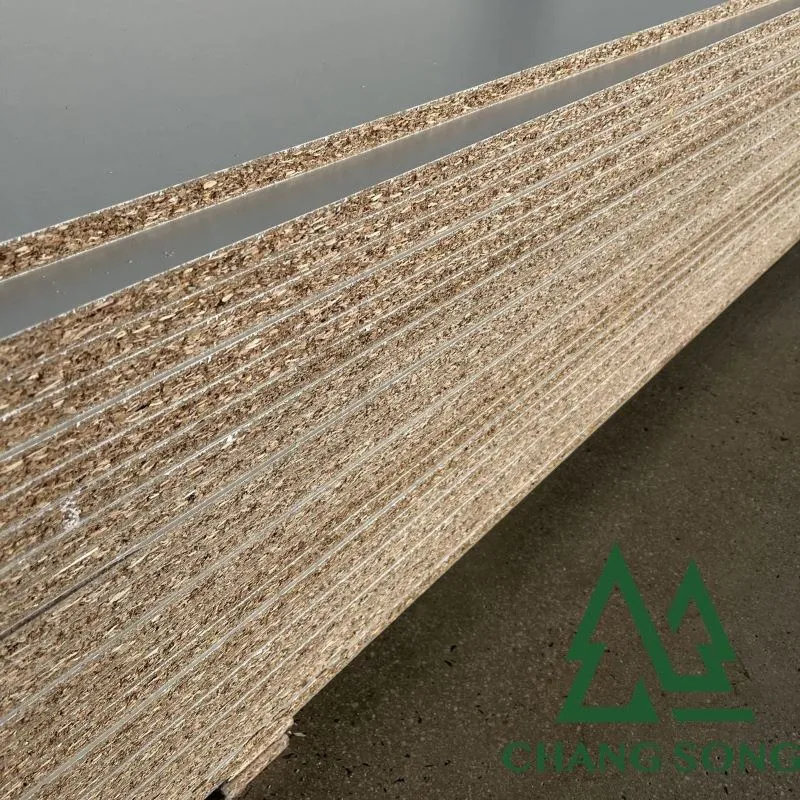

There are different types of chipboard, each with its own characteristics and uses. For example, Hollow Core Chipboard is lightweight and often used for interior partitions and doors. Faced Chipboard has a decorative finish and is great for furniture. And Solid Chipboard is more dense and durable, suitable for heavy-duty applications.
Factors Affecting the Lifespan of Chipboard
The lifespan of chipboard can vary widely depending on several factors. Here are some of the main ones:
Quality of Materials and Manufacturing
The quality of the wood chips and resin used in the manufacturing process plays a huge role. High-quality materials and a well-controlled manufacturing process result in a stronger and more durable chipboard. Cheaper chipboard may use lower-grade materials and less precise manufacturing techniques, which can lead to a shorter lifespan.
Environmental Conditions
Chipboard is sensitive to moisture. If it's exposed to high humidity or direct contact with water, it can swell, warp, and eventually break down. For example, using chipboard in a bathroom or outdoors without proper protection is a recipe for disaster. On the other hand, if it's kept in a dry and stable environment, it can last much longer.
Usage and Load
How you use the chipboard also matters. If it's used for light-duty applications, like a small bookshelf, it's likely to last longer than if it's used for a heavy-duty workbench. Overloading the chipboard can cause it to crack or break, reducing its lifespan.
Typical Lifespan of Different Types of Chipboard
So, how long can you expect chipboard to last? Well, it really depends on the type and the conditions it's used in.
Hollow Core Chipboard
Hollow core chipboard is relatively lightweight and not as strong as solid chipboard. In a normal indoor environment with light use, it can last anywhere from 5 to 10 years. However, if it's exposed to moisture or heavy loads, its lifespan can be significantly shorter.
Faced Chipboard
Faced chipboard, especially when used for furniture, can last around 10 to 15 years. The decorative finish can provide some protection, but it's still important to keep it away from moisture and avoid scratching the surface.
Solid Chipboard
Solid chipboard is the most durable type. In a suitable environment with proper use, it can last 15 to 20 years or even longer. It's often used in applications where strength and longevity are important, like kitchen cabinets or flooring sub - floors.
Tips to Extend the Lifespan of Chipboard
Now that we know what affects the lifespan of chipboard, here are some tips to make it last longer:
Protect from Moisture
Use a waterproof sealant on the edges and surfaces of the chipboard, especially if it's going to be in a humid environment. You can also use a dehumidifier in the room to keep the humidity levels down.
Avoid Overloading
Make sure you don't put too much weight on the chipboard. Check the weight limits recommended by the manufacturer and follow them.
Regular Maintenance
Inspect the chipboard regularly for any signs of damage, such as cracks or swelling. If you notice any problems, address them immediately to prevent further damage.
Making the Most of Your Chipboard Investment
As a chipboard supplier, I want my customers to get the best value for their money. That's why I always recommend choosing high - quality chipboard and taking good care of it. By understanding the factors that affect its lifespan and following the tips I've shared, you can ensure that your chipboard lasts as long as possible.
If you're in the market for chipboard, whether it's Hollow Core Chipboard, Faced Chipboard, or Solid Chipboard, I'd love to help you find the right product for your needs. We offer a wide range of chipboard options at competitive prices, and our team is always ready to provide you with expert advice.
If you have any questions or want to discuss your project, don't hesitate to reach out. We're here to make your chipboard purchasing experience as smooth and successful as possible. Let's work together to find the perfect chipboard solution for you!
References
- Woodworking Magazine: "Understanding Chipboard and Its Applications"
- Construction Industry Research: "Long - Term Performance of Chipboard in Different Environments"
- Furniture Manufacturing Handbook: "Using Chipboard for Furniture Making"