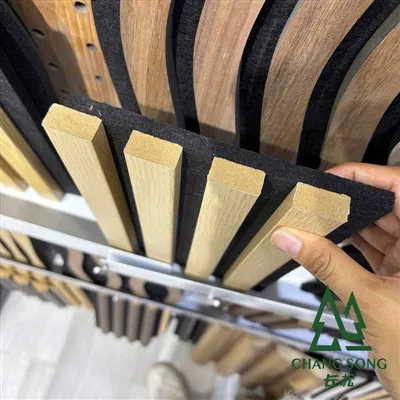
What is the Weight of an Acoustic Panel Wall?
As a supplier of Acoustic Panel Walls, I often receive inquiries from customers about various aspects of our products, and one question that comes up quite frequently is about the weight of an acoustic panel wall. Understanding the weight of acoustic panel walls is crucial for several reasons, including installation, structural considerations, and transportation. In this blog post, I'll delve into the factors that influence the weight of acoustic panel walls and provide some general insights.
Factors Affecting the Weight of Acoustic Panel Walls
- Material Composition
The materials used in the construction of acoustic panel walls play a significant role in determining their weight. There are different types of materials commonly used, each with its own density and weight characteristics. For example, MDF Acoustic Panel (/acoustic-panel/mdf-acoustic-panel.html) is a popular choice. Medium - Density Fiberboard (MDF) is made by breaking down wood fibers and then combining them with wax and resin under high temperature and pressure. MDF has a relatively uniform density, and its weight can vary depending on its thickness. Thicker MDF panels will naturally weigh more than thinner ones.
Another common material is fiberglass. Fiberglass acoustic panels are lightweight compared to some other materials. They are made of fine glass fibers and are known for their excellent sound - absorbing properties. However, the weight of fiberglass panels can also be affected by factors such as the density of the fibers and the thickness of the panel.
Mineral wool is another option. Mineral wool is made from natural or synthetic minerals and has good acoustic insulation capabilities. It is generally heavier than fiberglass but lighter than some solid wood or concrete - based acoustic solutions.
-
Panel Thickness
The thickness of the acoustic panels is directly proportional to their weight. Thicker panels contain more material, and thus, they weigh more. For instance, a 1 - inch thick MDF acoustic panel will weigh less than a 2 - inch thick MDF acoustic panel of the same size. When designing an acoustic panel wall, the required thickness is often determined by the desired level of sound absorption and insulation. Higher levels of performance usually require thicker panels, which in turn increase the overall weight of the wall.

-
Panel Size
The size of the acoustic panels also impacts the weight of the wall. Larger panels cover more area but also contain more material, resulting in a greater weight. For example, a standard 2 - foot by 4 - foot acoustic panel will weigh less than an 8 - foot by 4 - foot panel of the same material and thickness. When planning an acoustic panel wall installation, it's important to consider the size of the panels in relation to the installation space and the structural capacity of the building. -
Additional Components
Some acoustic panel walls may include additional components such as frames, backing materials, or mounting hardware. These components can add to the overall weight of the wall. For example, a panel with a solid wood frame will weigh more than a panel without a frame. Similarly, if a backing material like plywood is used to enhance the structural integrity of the panel, it will contribute to the total weight.
Calculating the Weight of an Acoustic Panel Wall
To calculate the weight of an acoustic panel wall, you first need to determine the weight of a single panel. This can be done by referring to the manufacturer's specifications, which usually provide the weight per square foot or per panel. Once you know the weight of a single panel, you can multiply it by the number of panels used in the wall.
For example, if a single 2 - foot by 4 - foot MDF acoustic panel weighs 10 pounds and you are using 20 such panels to construct a wall, the total weight of the panels alone would be 10 pounds x 20 = 200 pounds. Then, you need to add the weight of any additional components such as frames and mounting hardware.
Importance of Knowing the Weight
-
Installation
Knowing the weight of an acoustic panel wall is essential for proper installation. If the wall is too heavy for the existing structure to support, it can lead to structural damage or even collapse. Installers need to ensure that the building's walls, floors, or ceilings can handle the weight of the acoustic panel wall. This may involve reinforcing the structure or using appropriate mounting methods. -
Transportation
The weight of the acoustic panel wall also affects transportation. Heavier walls require more robust transportation methods and may incur higher shipping costs. When planning the delivery of acoustic panel walls, it's important to consider the weight and size of the panels to ensure they can be safely and efficiently transported to the installation site. -
Cost Considerations
The weight of the acoustic panel wall can impact the overall cost. Heavier materials may be more expensive, and the cost of transportation and installation can also increase with the weight. By understanding the weight requirements, customers can make more informed decisions about the materials and design of their acoustic panel walls to stay within their budget.
Real - World Examples
Let's take a look at some real - world examples of acoustic panel wall weights. A small home recording studio might use MDF acoustic panels that are 1 - inch thick and measure 2 feet by 4 feet. Each panel might weigh around 8 pounds. If the studio wall is 8 feet by 10 feet and is covered with these panels, approximately 10 panels would be needed. The total weight of the panels would be around 8 pounds x 10 = 80 pounds. If a simple wooden frame is added, it might add another 20 pounds, bringing the total weight of the acoustic panel wall to 100 pounds.
In a large commercial auditorium, mineral wool acoustic panels might be used. These panels could be 2 - inches thick and measure 4 feet by 8 feet. Each panel could weigh around 30 pounds. If a section of the auditorium wall is 20 feet by 30 feet and is covered with these panels, around 19 panels would be required. The total weight of the panels alone would be 30 pounds x 19 = 570 pounds. With additional mounting hardware and frames, the total weight of the acoustic panel wall could be around 650 pounds.
Conclusion
In conclusion, the weight of an acoustic panel wall is influenced by several factors, including material composition, panel thickness, panel size, and additional components. Understanding these factors is crucial for proper installation, transportation, and cost - effective planning. As a supplier of Acoustic Panel Wall (/acoustic-panel/acoustic-panel-wall.html), we are committed to providing our customers with high - quality products and accurate information about their weight and performance.
If you are considering an acoustic panel wall for your project, whether it's a home studio, a commercial space, or an industrial facility, we encourage you to contact us for more detailed information and to discuss your specific requirements. Our team of experts can help you choose the right materials and design an acoustic panel wall that meets your needs while staying within your budget.
References
- Acoustic Materials Handbook, 3rd Edition
- Building Construction and Design Principles for Acoustics