

Are acoustic panel walls suitable for playrooms?
As a supplier of Acoustic Panel Wall, I've often been asked whether acoustic panel walls are a good fit for playrooms. It's a question that hits close to home, as playrooms are vibrant spaces filled with laughter, shouts, and the sounds of endless fun. In this blog post, I'll delve into the science behind acoustic panel walls and explore why they can be an excellent addition to playrooms.
The Science of Sound in Playrooms
Before we dive into the suitability of acoustic panel walls, let's understand the nature of sound in playrooms. Playrooms are typically filled with children engaging in various activities, from playing musical instruments to running around and shouting. These activities generate a significant amount of noise, which can quickly become overwhelming, not only for the children but also for those in the surrounding areas.
Sound is a form of energy that travels through the air in waves. When sound waves encounter a surface, they can be reflected, absorbed, or transmitted. In a playroom, hard surfaces such as walls, floors, and ceilings reflect sound waves, causing them to bounce around the room and create echoes. This can lead to a chaotic and noisy environment, making it difficult for children to concentrate and communicate effectively.
How Acoustic Panel Walls Work
Acoustic panel walls are designed to absorb sound waves and reduce echo and reverberation in a room. They are typically made of porous materials such as fiberglass, foam, or wood, which trap sound waves and convert them into heat energy. This process helps to reduce the overall noise level in the room and create a more comfortable and pleasant environment.
The effectiveness of acoustic panel walls depends on several factors, including the type of material used, the thickness of the panels, and the installation method. Generally, thicker panels and panels made of denser materials are more effective at absorbing sound. Additionally, proper installation is crucial to ensure that the panels are securely attached to the wall and that there are no gaps or air leaks that could allow sound to escape.

Benefits of Acoustic Panel Walls in Playrooms
Now that we understand how acoustic panel walls work, let's explore the benefits of installing them in playrooms.

Improved Sound Quality: One of the primary benefits of acoustic panel walls is that they improve the sound quality in the room. By reducing echo and reverberation, the panels help to create a more balanced and clear sound environment. This is particularly important in playrooms where children may be listening to music, watching videos, or engaging in other audio-based activities.
Enhanced Privacy: Another benefit of acoustic panel walls is that they enhance privacy in the playroom. By absorbing sound waves, the panels help to prevent noise from escaping the room and disturbing others in the house. This is especially useful if the playroom is located near bedrooms or other quiet areas of the house.
Reduced Noise Stress: Excessive noise can cause stress and anxiety, especially in children. By reducing the overall noise level in the playroom, acoustic panel walls can help to create a more peaceful and relaxing environment. This can have a positive impact on the mental health and well-being of the children, as well as their ability to focus and learn.
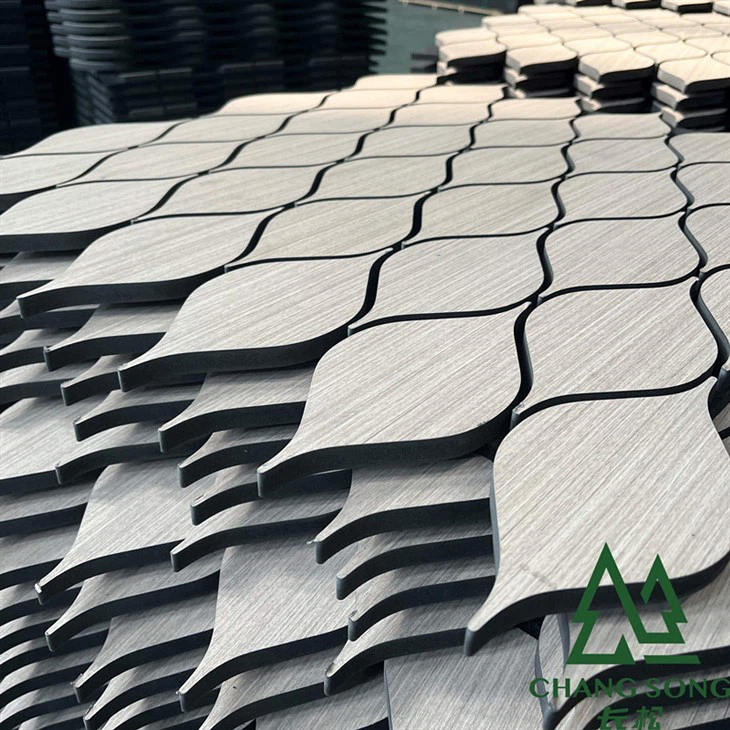
Aesthetic Appeal: In addition to their acoustic benefits, acoustic panel walls can also enhance the aesthetic appeal of the playroom. They come in a variety of colors, patterns, and textures, allowing you to choose a design that complements the existing decor of the room. This can help to create a more inviting and enjoyable space for the children to play in.
Types of Acoustic Panel Walls for Playrooms
When it comes to choosing acoustic panel walls for playrooms, there are several options available. Here are some of the most common types:
MDF Acoustic Panel: MDF (medium-density fiberboard) acoustic panels are a popular choice for playrooms due to their affordability, durability, and ease of installation. They are made of compressed wood fibers and are available in a variety of thicknesses and sizes. MDF acoustic panels are also easy to paint or decorate, allowing you to customize them to match the style of the playroom.
Foam Acoustic Panels: Foam acoustic panels are another popular option for playrooms. They are made of open-cell foam, which is highly effective at absorbing sound waves. Foam acoustic panels are lightweight, easy to install, and come in a variety of colors and shapes. They are also relatively inexpensive, making them a cost-effective solution for soundproofing a playroom.
Fabric-Wrapped Acoustic Panels: Fabric-wrapped acoustic panels are a more upscale option for playrooms. They are made of a core material, such as fiberglass or foam, that is wrapped in a fabric cover. Fabric-wrapped acoustic panels are available in a wide range of colors and patterns, allowing you to create a custom look for the playroom. They are also more durable and easier to clean than foam acoustic panels.

Installation Considerations
Installing acoustic panel walls in a playroom is a relatively straightforward process, but there are a few things to keep in mind. Here are some installation considerations:
Measure the Room: Before you purchase acoustic panel walls, it's important to measure the room to determine how many panels you will need. You should also consider the layout of the room and any obstacles, such as windows or doors, that may affect the installation.
Choose the Right Installation Method: There are several installation methods available for acoustic panel walls, including adhesive mounting, mechanical mounting, and suspension mounting. The method you choose will depend on the type of panels you are using and the surface of the wall.
Follow the Manufacturer's Instructions: It's important to follow the manufacturer's instructions when installing acoustic panel walls. This will ensure that the panels are installed correctly and that they provide the maximum amount of sound absorption.
Consider Professional Installation: If you are not comfortable installing acoustic panel walls yourself, you may want to consider hiring a professional installer. A professional installer will have the experience and expertise to ensure that the panels are installed correctly and that they provide the best possible soundproofing results.
Conclusion
In conclusion, acoustic panel walls are an excellent addition to playrooms. They offer a range of benefits, including improved sound quality, enhanced privacy, reduced noise stress, and aesthetic appeal. When choosing acoustic panel walls for a playroom, it's important to consider the type of material, the thickness of the panels, and the installation method. By following these tips, you can create a more comfortable and enjoyable playroom environment for your children.
If you're interested in learning more about acoustic panel walls or would like to discuss your specific needs, please don't hesitate to contact us. We're here to help you find the perfect solution for your playroom.
References
- Beranek, L. L. (1971). Noise and vibration control. McGraw-Hill.
- Kryter, K. D. (1985). The handbook of hearing and the effects of noise: Physiology, psychology, and public health. Academic Press.
- Olsho, L. W., & Hawkins, H. L. (1990). Effects of noise on children's learning. Journal of Speech and Hearing Research, 33(1), 1-14.


