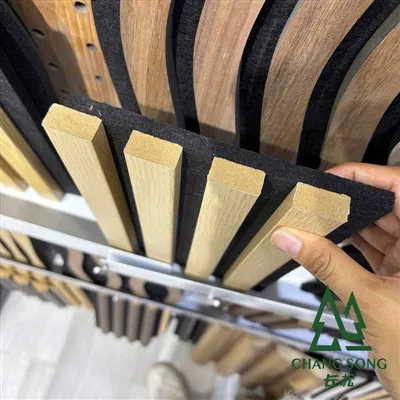
In the architectural and interior design realm, the pursuit of creating optimal spaces has always been a driving force. One crucial aspect often overlooked is acoustics. As a seasoned supplier of Acoustic Panel Wall, I've witnessed firsthand the transformative power of these panels in various settings, especially in commercial buildings. In this blog, I'll delve into the viability and benefits of using acoustic panel walls in commercial environments.
The Acoustic Challenge in Commercial Buildings
Commercial buildings come in all shapes and sizes, from bustling open - plan offices to large conference halls, restaurants, and retail stores. Each of these spaces faces unique acoustic challenges.
In open - plan offices, the constant chatter, phone calls, and the hum of office equipment can create a noisy environment that hampers productivity. Studies have shown that excessive noise in the workplace can lead to increased stress levels, reduced concentration, and even errors in work. According to a report by the World Health Organization, noise levels above 65 decibels can significantly affect cognitive performance.


Conference halls and auditoriums need to ensure clear sound transmission for presentations, lectures, and performances. Poor acoustics can result in sound distortion, echoes, and uneven sound distribution, making it difficult for the audience to follow the content.
Restaurants and cafes are places where people go to relax and enjoy a meal. However, if the space is too noisy, it can ruin the dining experience. The clatter of dishes, conversations, and background music can blend into a chaotic soundscape that is unpleasant for customers.
Retail stores also face acoustic issues. The constant flow of customers, music playing in the background, and the noise from electronic devices can create a dissonant environment that may drive customers away.
How Acoustic Panel Walls Solve These Problems
Acoustic panel walls are designed to absorb sound waves, reducing reverberation and noise levels in a space. They work by converting sound energy into heat energy through a process called absorption. When sound waves hit the surface of an acoustic panel, they enter the porous material of the panel. The fibers or cells within the panel cause the sound waves to bounce around, losing energy in the process until they are absorbed.
In an open - plan office, installing acoustic panel walls can create a more peaceful and focused work environment. The panels can be strategically placed on walls, ceilings, or even as room dividers. By reducing noise levels, employees can concentrate better on their tasks, leading to increased productivity.
For conference halls and auditoriums, acoustic panel walls can improve sound quality. They can be used on the walls and ceilings to control echoes and ensure that sound is evenly distributed throughout the space. This allows for clear and crisp audio, whether it's a presentation, a musical performance, or a lecture.
In restaurants and cafes, acoustic panel walls can enhance the dining experience. By reducing background noise, customers can enjoy their meals in a more relaxed atmosphere. The panels can also be designed to match the interior decor of the establishment, adding to the aesthetic appeal.
Retail stores can benefit from acoustic panel walls by creating a more pleasant shopping environment. The panels can reduce the overall noise level, making it easier for customers to browse and interact with the staff. This can lead to increased customer satisfaction and potentially higher sales.
Types of Acoustic Panel Walls Suitable for Commercial Buildings
There are several types of acoustic panel walls available, each with its own unique properties and benefits.
One popular type is the MDF Acoustic Panel. Medium - Density Fiberboard (MDF) is a versatile material that can be easily cut, shaped, and finished. MDF acoustic panels are known for their excellent sound absorption properties and can be customized to fit different design requirements. They can be painted, laminated, or covered with fabric to match the interior decor of a commercial.
.
Fabric - covered acoustic panels are another acoustic panels are also a great option. They are made from natural fibers such as wool or polyester, and are often used in spaces where aesthetics are a priority. These panels can be used to create a soft and warm look, and can be easily installed on walls, ceilings, or as partitions.
Installation and Design Considerations
When installing acoustic panel walls in commercial buildings, several factors need to be considered.
First, the layout of the space is crucial. The panels should be placed in areas where sound reflection is most problematic. For example, in an open - plan office, they can be installed on the walls between workstations to create private work areas. In a conference hall, they can be placed on the side walls and ceilings to ensure even sound distribution.
The design of the acoustic panel walls also matters. They can be designed in different colors, patterns, and textures to match the overall interior design of the building. For example, in a modern - style restaurant, sleek and minimalist - looking acoustic panels can be used to maintain the aesthetic integrity of the space.
Cost - Benefit Analysis
While the initial investment in acoustic panel walls may seem significant, the long - term benefits far outweigh the costs. In an office setting, the increased productivity of employees due to a quieter work environment can lead to higher quality work and potentially increased profits for the company. In a restaurant, a more pleasant dining environment can attract more customers and increase revenue.
Conclusion
In conclusion, acoustic panel walls are not only a viable option but also a highly beneficial addition to any commercial building. They can effectively address the acoustic challenges faced by various types of commercial buildings, from offices to conference halls, restaurants, and retail stores.
If you're interested in enhancing the acoustic quality of your commercial building, I invite you to reach out for a detailed discussion on how Acoustic Panel Wall solutions can be tailored to your specific needs. Let's work together to create a more harmonious and productive environment.
References
- World Health Organization. Guidelines for community noise management.
- Acoustical Society of America. Research on sound absorption and its applications in architectural spaces.