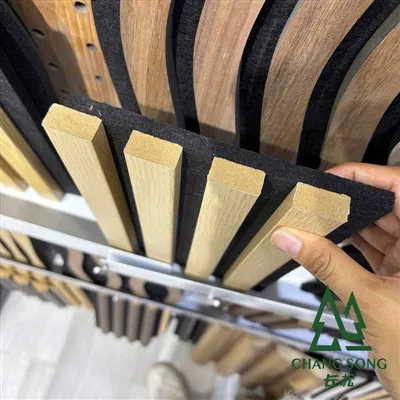
Hey there! As a block board supplier, I often get asked if block board can be used for ceilings. Well, let's dive right into this topic and find out.
First off, what exactly is block board? Block board is a type of engineered wood. It consists of a core made up of parallel strips of softwood, which are then sandwiched between two outer layers of veneer. This construction gives block board some unique properties that might make it a good candidate for ceiling applications.
One of the main advantages of using block board for ceilings is its strength. The parallel strips in the core provide excellent structural integrity. This means that it can handle its own weight and even some additional loads without sagging or breaking easily. For example, if you plan to install some light fixtures on the ceiling, block board can support them without much issue.
Another plus is its relatively smooth surface. The outer veneer layers give block board a nice finish. You can paint it, stain it, or even cover it with wallpaper to match the interior design of your space. This versatility in terms of aesthetics is a big selling point. Whether you're going for a modern, minimalist look or a more traditional style, block board can be customized to fit the bill.
Now, let's talk about some of the potential drawbacks. One concern might be the weight. Block board is heavier compared to some other ceiling materials like gypsum board. This means that you need to make sure your ceiling structure can support the additional weight. If your building's ceiling joists are not strong enough, you might run into problems with sagging or even structural damage over time.


Moisture can also be an issue. Block board is made of wood, and wood is susceptible to moisture. If the ceiling is in an area with high humidity, such as a bathroom or a basement, the block board might warp or rot. However, there are ways to mitigate this. You can use moisture - resistant finishes or choose block boards that are specifically treated for moisture resistance.
When it comes to different types of block board, we have a few options that could be suitable for ceilings. For instance, the Natural Wood Veneer Blockboard For Furniture offers a natural and warm look. The natural wood veneer gives it a high - end appearance that can really elevate the look of a ceiling. It's also quite durable and can withstand normal wear and tear.
Another option is the Melamine Faced Block Board. Melamine is a synthetic material that is known for its resistance to scratches, stains, and moisture. This type of block board is easy to clean and maintain, making it a great choice for areas where there might be a lot of activity or potential for spills.
The Natural Veneer Block Board is also a popular choice. It combines the beauty of natural wood with the strength of block board construction. It can be used in a variety of settings, from residential homes to commercial spaces.
In terms of installation, it's important to follow the proper procedures. You'll need to measure the ceiling area accurately and cut the block board to size. Make sure to use the right tools, such as a circular saw or a jigsaw, for cutting. When attaching the block board to the ceiling joists, use appropriate fasteners like screws or nails. It's also a good idea to leave a small gap between the edges of the block board pieces to allow for expansion and contraction due to changes in temperature and humidity.
Cost is another factor to consider. Block board might be more expensive than some other ceiling materials, especially if you choose high - quality options with natural veneers. However, when you factor in its durability and aesthetic appeal, it can be a worthwhile investment. You'll get a ceiling that not only looks great but also lasts for a long time.
If you're still on the fence about whether block board is the right choice for your ceiling, I'd recommend doing a small test area first. This way, you can see how it looks and performs in your specific space. You can also consult with a professional contractor or interior designer. They have the experience and knowledge to give you more personalized advice based on your project requirements.
So, can block board be used for ceilings? The answer is yes, but with some considerations. It has its advantages in terms of strength, aesthetics, and customization, but you need to be aware of the potential issues like weight and moisture. If you're looking for a ceiling material that offers a combination of style and durability, block board could be a great option.
If you're interested in purchasing block board for your ceiling project or have any questions, feel free to reach out. We're here to help you make the right choice and ensure that your ceiling turns out exactly the way you want it.
References:
- Wood Handbook: Wood as an Engineering Material, Forest Products Laboratory
- Construction Materials: Types, Properties, and Selection, various industry publications