Hey there! As an acoustic panel supplier, I often get asked about how our products perform in high - ceiling rooms. It's a great question, and today, I'm gonna break it down for you.
The Challenge of High - Ceiling Rooms
High - ceiling rooms are pretty cool. They give a sense of grandeur and spaciousness, but they also come with some unique acoustic challenges. The large volume of air in these rooms means that sound waves have more space to travel. This can lead to longer reverberation times, which is when sound bounces around the room before it fades away.
Long reverberation times can make it hard to understand speech, especially in places like conference rooms or auditoriums. In a concert hall, it can also muddle the music, making it less clear and distinct. And in a restaurant with a high ceiling, the noise from conversations can build up, creating an uncomfortable and noisy environment.
How Acoustic Panels Work
Before we dive into how acoustic panels perform in high - ceiling rooms, let's quickly go over how they work. Acoustic panels are designed to absorb sound waves. They're made of materials that have tiny pores or fibers. When sound waves hit the panel, they get trapped in these pores or fibers. This converts the sound energy into heat energy, which means less sound is reflected back into the room.

Placement in High - Ceiling Rooms
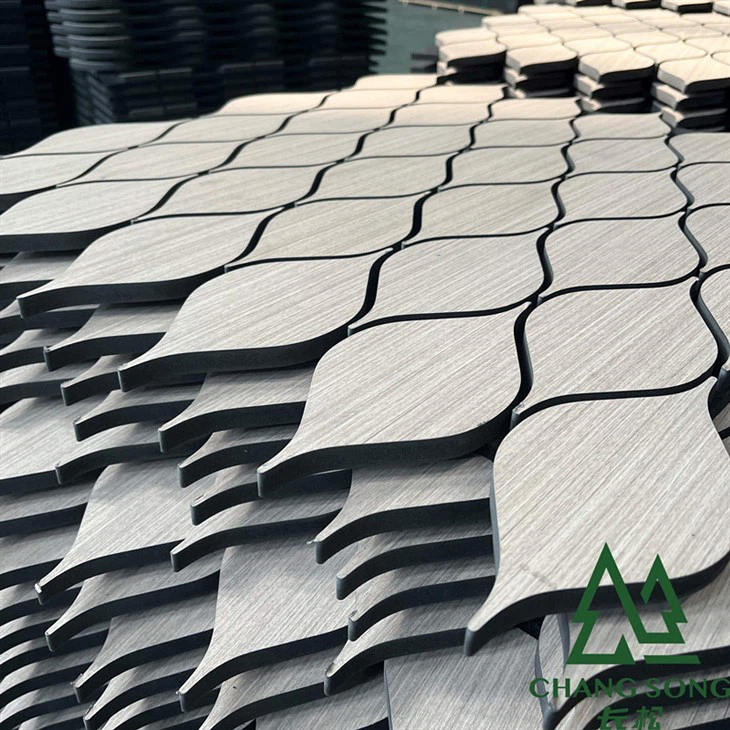
One of the keys to getting good acoustic performance in high - ceiling rooms is proper panel placement. Since sound waves travel up and bounce off the ceiling in these rooms, ceiling panels are super important. Installing acoustic panels on the ceiling can significantly reduce the reverberation time.
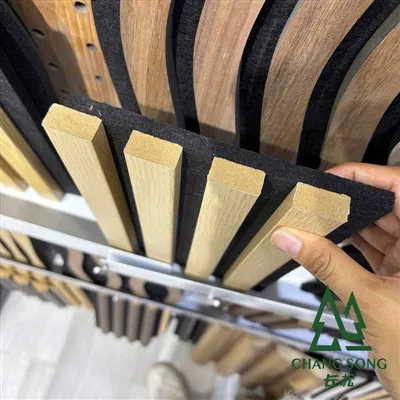
But don't forget about the walls. Sound also bounces off the walls, so placing Acoustic Panel Wall can help absorb the sound that travels horizontally. You can use a combination of ceiling and wall panels to create a more balanced acoustic environment.
For example, in a large atrium, you might want to install ceiling panels in the center area where the sound tends to accumulate. On the walls, you can place panels at strategic points, like near the entrance or in areas where there's a lot of noise sources.
Types of Acoustic Panels for High - Ceiling Rooms
Not all acoustic panels are created equal, especially when it comes to high - ceiling rooms. MDF Acoustic Panel are a popular choice. They're made of medium - density fiberboard, which is a dense material that can absorb a wide range of frequencies.
Fabric - wrapped panels are also great. They look nice and can be customized to match the room's decor. These panels are usually filled with a sound - absorbing material like fiberglass or mineral wool.
Another option is perforated metal panels. They're durable and can be used in industrial or modern - style high - ceiling rooms. They work by allowing sound waves to enter the perforations and get absorbed inside the panel.
Performance Metrics
When evaluating how acoustic panels perform in high - ceiling rooms, there are a few key metrics to consider. The Noise Reduction Coefficient (NRC) is one of them. It measures how well a panel absorbs sound across a range of frequencies. A higher NRC means better sound absorption.
The Sound Absorption Average (SAA) is similar to the NRC but is calculated using a different method. It also gives you an idea of how well the panel absorbs sound.
The Ceiling Attenuation Class (CAC) is important when it comes to ceiling panels. It measures how well the panel reduces sound transmission between different levels or rooms.
Real - World Examples
Let's take a look at some real - world examples of how acoustic panels have performed in high - ceiling rooms. A local concert hall with a very high ceiling was experiencing problems with sound clarity. After installing a combination of ceiling and wall acoustic panels, the reverberation time was reduced by almost half. This made the music sound much clearer and more enjoyable for the audience.
In a large corporate conference room with a high ceiling, speech intelligibility was a major issue. By placing acoustic panels on the walls and ceiling, the clarity of the speakers' voices improved significantly. Attendees could easily understand the presentations without any difficulty.
Cost - Benefit Analysis
Investing in acoustic panels for high - ceiling rooms might seem like a big expense at first, but it's worth it in the long run. The improved acoustic environment can enhance the overall experience for the people using the room. In a commercial setting, it can also increase productivity. For example, in an office with a high - ceiling open - plan area, employees will be able to focus better without the distraction of excessive noise.
When you consider the cost of potential lost business due to poor acoustics in a conference room or the negative impact on customer experience in a restaurant, the cost of acoustic panels becomes a small price to pay.
Maintenance
Maintaining acoustic panels in high - ceiling rooms is relatively easy. Most panels can be cleaned with a soft brush or a vacuum cleaner to remove dust. In case of any damage, some panels can be easily repaired or replaced.
Conclusion
So, how do acoustic panels perform in high - ceiling rooms? In short, they can make a huge difference. By reducing reverberation times, improving speech intelligibility, and enhancing the overall sound quality, acoustic panels can transform a high - ceiling room from a noisy and chaotic space into a comfortable and functional one.
If you're looking to improve the acoustics of your high - ceiling room, I'd love to talk to you. Whether you're a business owner, an architect, or a homeowner, we have the right acoustic panel solutions for you. Get in touch with us to discuss your specific needs and let's work together to create the perfect acoustic environment.
References
- Acoustics Handbook by Cyril M. Harris
- Architectural Acoustics by Leo L. Beranek