

In the dynamic world of construction and interior design, the demand for high - quality plywood products is constantly evolving. As a supplier of Sapeli faced plywood, I've witnessed firsthand the shifts in market trends that have shaped the industry. In this blog, I'll explore the current market trends for Sapeli faced plywood, highlighting the factors driving its popularity and potential future developments.
1. Aesthetic Appeal and Design Trends
One of the primary reasons for the growing demand for Sapeli faced plywood is its exceptional aesthetic qualities. Sapeli, a tropical hardwood, is known for its rich, reddish - brown color that deepens with age. The wood has a straight to interlocked grain pattern, which gives it a unique and visually appealing texture.
In modern interior design, there is a strong trend towards natural and warm materials. Sapeli faced plywood fits perfectly into this aesthetic, adding a touch of elegance and sophistication to any space. Whether it's used for wall paneling, cabinetry, or furniture, Sapeli's natural beauty can transform a room from ordinary to extraordinary. For example, in high - end residential projects, architects and designers are increasingly specifying Sapeli faced plywood for built - in wardrobes and custom - made kitchens. The wood's warm tones create a cozy and inviting atmosphere, making it a popular choice for homeowners who value both style and quality.
In addition to its use in residential projects, Sapeli faced plywood is also finding its way into commercial spaces. Restaurants, hotels, and offices are using it for decorative elements such as reception desks, partitions, and display units. The unique appearance of Sapeli can help businesses create a distinct brand identity and make a memorable impression on their customers.
2. Sustainability and Environmental Awareness
Another significant trend in the market for Sapeli faced plywood is the growing emphasis on sustainability. Consumers are becoming more conscious of the environmental impact of the products they purchase, and they are actively seeking out sustainable alternatives.
Sapeli is sourced from well - managed forests, which means that the harvesting of the wood is regulated to ensure the long - term health of the forest ecosystem. Many suppliers, including myself, are committed to providing FSC (Forest Stewardship Council) certified Sapeli faced plywood. This certification guarantees that the wood has been sourced from forests that meet strict environmental, social, and economic standards.
By choosing FSC - certified Sapeli faced plywood, customers can be confident that they are making an environmentally responsible choice. In addition, the use of sustainable materials can also enhance a project's green credentials, which is becoming increasingly important in today's market. For example, in LEED (Leadership in Energy and Environmental Design) certified buildings, the use of sustainable wood products can contribute to the project's overall score.
3. Durability and Performance
Sapeli faced plywood is not only beautiful but also highly durable. Sapeli wood is known for its strength, hardness, and resistance to decay and insects. This makes Sapeli faced plywood an ideal choice for applications where durability is a key consideration.
In construction, Sapeli faced plywood is often used for structural purposes. It can be used as formwork for concrete pouring, where its strength and stability are essential. In addition, its resistance to moisture and weathering makes it suitable for outdoor applications such as decking and cladding.
In the furniture industry, Sapeli faced plywood is prized for its ability to withstand the rigors of daily use. Cabinets, tables, and chairs made from Sapeli faced plywood are likely to last for many years, making them a cost - effective investment for consumers.
4. Technological Advancements in Plywood Manufacturing
The plywood manufacturing industry has seen significant technological advancements in recent years, and these have had a positive impact on the quality and performance of Sapeli faced plywood.
New bonding technologies have improved the strength and durability of the plywood. For example, the use of advanced adhesives ensures that the veneer is firmly bonded to the core, reducing the risk of delamination. In addition, modern manufacturing processes allow for more precise control over the thickness and smoothness of the plywood, resulting in a higher - quality product.
Furthermore, advancements in finishing techniques have enhanced the appearance and protection of Sapeli faced plywood. New stains and coatings can bring out the natural beauty of the wood while also providing protection against scratches, moisture, and UV rays.
5. Market Competition and Product Diversification
As the demand for Sapeli faced plywood grows, the market has become more competitive. To stay ahead in the market, suppliers are constantly looking for ways to differentiate their products.
One way to do this is through product diversification. In addition to traditional Sapeli faced plywood, suppliers are now offering a range of specialty products. For example, you can find Sapeli faced plywood with different core materials, such as poplar or birch, to meet different performance requirements. There are also options for different veneer thicknesses and grades, allowing customers to choose the product that best suits their needs and budget.
Moreover, some suppliers are offering value - added services such as custom cutting, sanding, and edge banding. This can save customers time and effort during the installation process, making the purchasing experience more convenient.
6. Comparison with Other Faced Plywoods
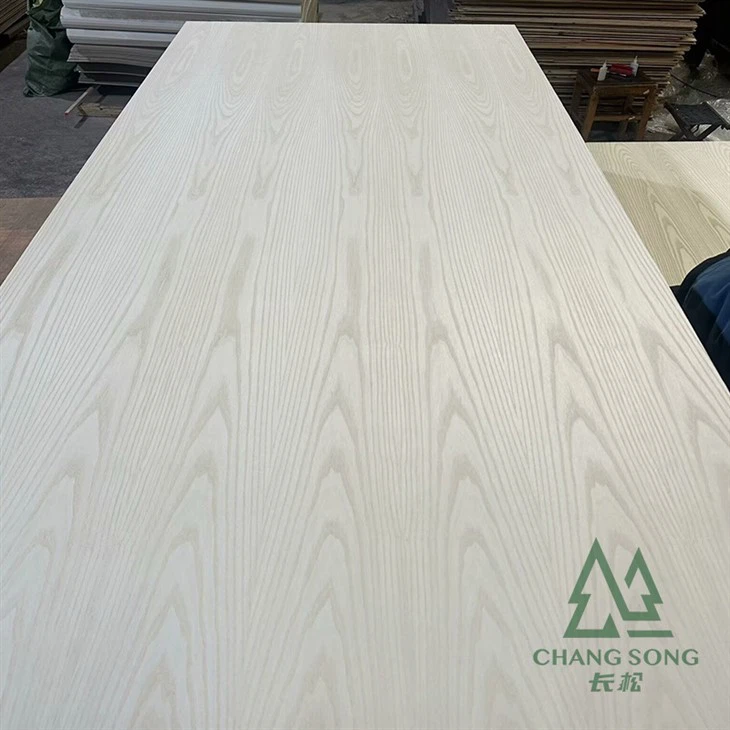
When considering Sapeli faced plywood, it's important to compare it with other types of faced plywood on the market. For instance, Natural Red Oak Faced Plywood 4x8 is another popular choice. Red oak has a distinct grain pattern and a lighter color compared to Sapeli. It is often used in traditional and rustic designs.
Red Beech Faced Plywood is known for its smooth surface and uniform color. It is a great option for applications where a more subtle and refined look is desired.
Black Walnut Faced Plywood 18mm offers a luxurious and dark appearance. It is typically used in high - end projects where a statement piece is required.
While each of these faced plywoods has its own unique characteristics, Sapeli stands out for its combination of aesthetic appeal, durability, and sustainability.
7. Future Market Outlook
Looking ahead, the market for Sapeli faced plywood is expected to continue to grow. The increasing demand for sustainable and aesthetically pleasing building materials, along with the ongoing technological advancements in plywood manufacturing, will likely drive this growth.
However, there are also some challenges that the industry may face. Fluctuations in the price of raw materials, changes in environmental regulations, and competition from alternative materials are all factors that could impact the market.
To address these challenges, suppliers will need to focus on innovation, quality control, and customer service. By staying ahead of the trends and providing high - quality products, we can ensure the long - term success of the Sapeli faced plywood market.
Conclusion
As a supplier of Sapeli faced plywood, I am excited about the future of this product. The market trends clearly indicate that there is a strong demand for Sapeli faced plywood, driven by its aesthetic appeal, sustainability, durability, and technological advancements.
If you are in the market for high - quality faced plywood, I encourage you to consider Sapeli. Whether you are an architect, designer, contractor, or homeowner, Sapeli faced plywood can add value and beauty to your project. Contact me today to discuss your specific requirements and explore how Sapeli faced plywood can meet your needs. Let's work together to create a space that is both functional and beautiful.

References
- Forest Stewardship Council (FSC) official reports on sustainable forest management.
- Industry research papers on the trends in the plywood market.
- Interviews with architects, designers, and consumers regarding their preferences for building materials.


