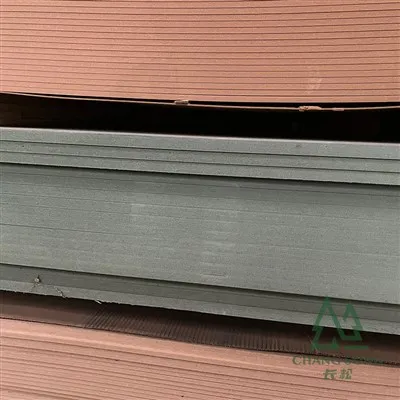
Particleboard performs well in terms of environmental protection, but its environmental friendliness depends on the specific production process and formaldehyde emission standards. Particleboard, also known as solid wood particleboard, is mainly made of selected plant fibers and a small amount of adhesive, so it has a high environmental coefficient and will not pollute the environment. The production process of particleboard includes steps such as raw material processing, drying, gluing and mixing, paving and forming, hot pressing and surface treatment. A certain amount of adhesive is used in these processes, which may affect its environmental friendliness.
Environmental protection standards for particleboard
The environmental protection standards for particleboard mainly include the limit of formaldehyde emission. According to national standards, there are different levels of formaldehyde emission of particleboard:
E0 level: formaldehyde emission is not more than 5mg/100g
E1 level: formaldehyde emission is not more than 9mg/100g
E2 level: formaldehyde emission is not more than 30mg/100g